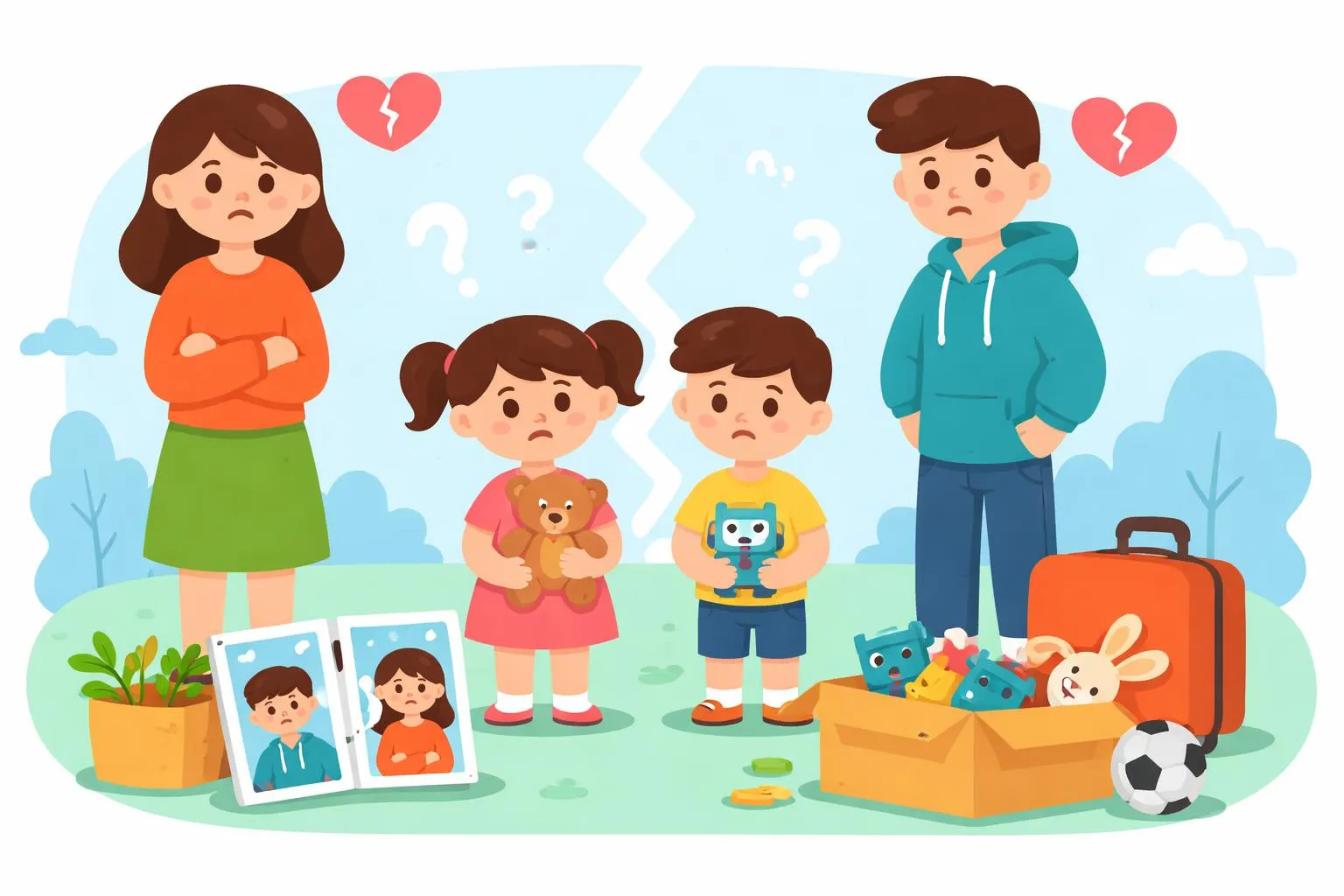

Original Poem:
People getting divorced
riding around with their clothes in the car
and wondering what happened
to everyone and everything
including their other
pair of shoes
And if you spy one
then who knows what happened
to the other
with tongue alack
and years later not even knowing
if the other ever
found a mate
without splitting the seams
or remained intact
unlaced
and the sole
ah the soul
a curious conception
hanging on somehow
to walk again
in the free air
once the heel
has been replaced
Expanded Analysis and Interpretation
Meaning and Interpretation of the Poem
This poem poignantly captures the emotional and physical fragments left behind after a divorce or separation. The image of people driving away with their clothes in the car symbolizes the abruptness and disarray of such life changes. The poet uses the metaphor of a pair of shoes to represent relationships — once united, now separated and uncertain. One shoe is seen, but the fate of the other is unknown, reflecting the uncertainty and loss that often accompany broken relationships.
The poem's focus on shoes — their tongue, seams, laces, and sole — cleverly parallels the human soul and the emotional bonds that hold people together. The "sole" and "soul" pun deepens the metaphor, suggesting that even when relationships break, the essence or spirit ("soul") lingers, hoping to "walk again" or heal after the "heel has been replaced." This implies the possibility of recovery and moving forward after hardship.
Background and Author Introduction
While the author of this poem is not specified, the work reflects themes common in contemporary poetry that explores human relationships, loss, and resilience. Such poems often arise from personal or observed experiences of separation, emphasizing the emotional complexity of divorce or breakup. The imagery of everyday objects like shoes makes the poem relatable and accessible, especially to younger readers or those new to poetry.
Reflection and Personal Response
Reading this poem invites reflection on how people cope with change and loss. It reminds us that relationships, like shoes, may wear out or become separated, but the potential for healing and new beginnings remains. The poem’s gentle yet vivid imagery encourages empathy for those going through difficult transitions and highlights the resilience of the human spirit.
Educational Value for Children and Students
Learning Points and Knowledge
- Metaphor and Symbolism: The poem is an excellent example of how everyday objects (shoes) can symbolize complex ideas like relationships and emotional states.
- Vocabulary Development: Words like seams, laces, sole, heel, and tongue (in the context of shoes) can expand students’ descriptive vocabulary.
- Emotional Intelligence: The poem encourages understanding of feelings related to separation, loss, and hope for recovery.
- Creative Thinking: Students can learn how poets use imagery and wordplay (e.g., "sole" and "soul") to deepen meaning.
Practical Applications and Life Lessons
- Empathy and Compassion: Understanding the emotional impact of divorce or separation can help children be more supportive to peers experiencing family changes.
- Resilience: The poem’s message about healing after hardship can inspire students to face challenges with hope and strength.
- Communication: Discussing the poem can improve students’ ability to express complex emotions through language.
Challenges and Focus Areas
- Abstract Concepts: Younger children might find it challenging to grasp the metaphorical meaning behind the shoes and the emotional undertones. Guided discussion can help.
- Wordplay: Explaining the pun between "sole" and "soul" can enhance literary appreciation but may require careful teaching.
- Emotional Sensitivity: Teachers should approach the topic of divorce with sensitivity, recognizing that some students may have personal experiences related to the poem’s themes.
Reading Comprehension Questions
- What does the image of the shoes represent in the poem?
- Why do you think the poet mentions "riding around with their clothes in the car"?
- What is the significance of the line "ah the soul / a curious conception"?
- How does the poem suggest people can "walk again" after difficult experiences?
- What emotions do you feel after reading this poem? Why?
Answers
- The shoes symbolize relationships, particularly how they can become separated or broken, much like people after a divorce.
- It suggests the suddenness and disruption caused by divorce, where people leave with only what they can carry, feeling lost and uncertain.
- This line connects the physical sole of the shoe to the human soul, highlighting the mysterious and enduring nature of human spirit and emotions.
- The poem suggests healing and moving forward is possible once the "heel has been replaced," meaning after repairing what was broken, one can continue their journey.
- Answers will vary but may include feelings of sadness, hope, empathy, or reflection on personal experiences with change or loss.
This poem offers rich material for exploring emotional themes and literary techniques, making it a valuable resource for education and personal growth.














