
Original Poem:
Sing a song of sixpence,
A pocket full of rye,
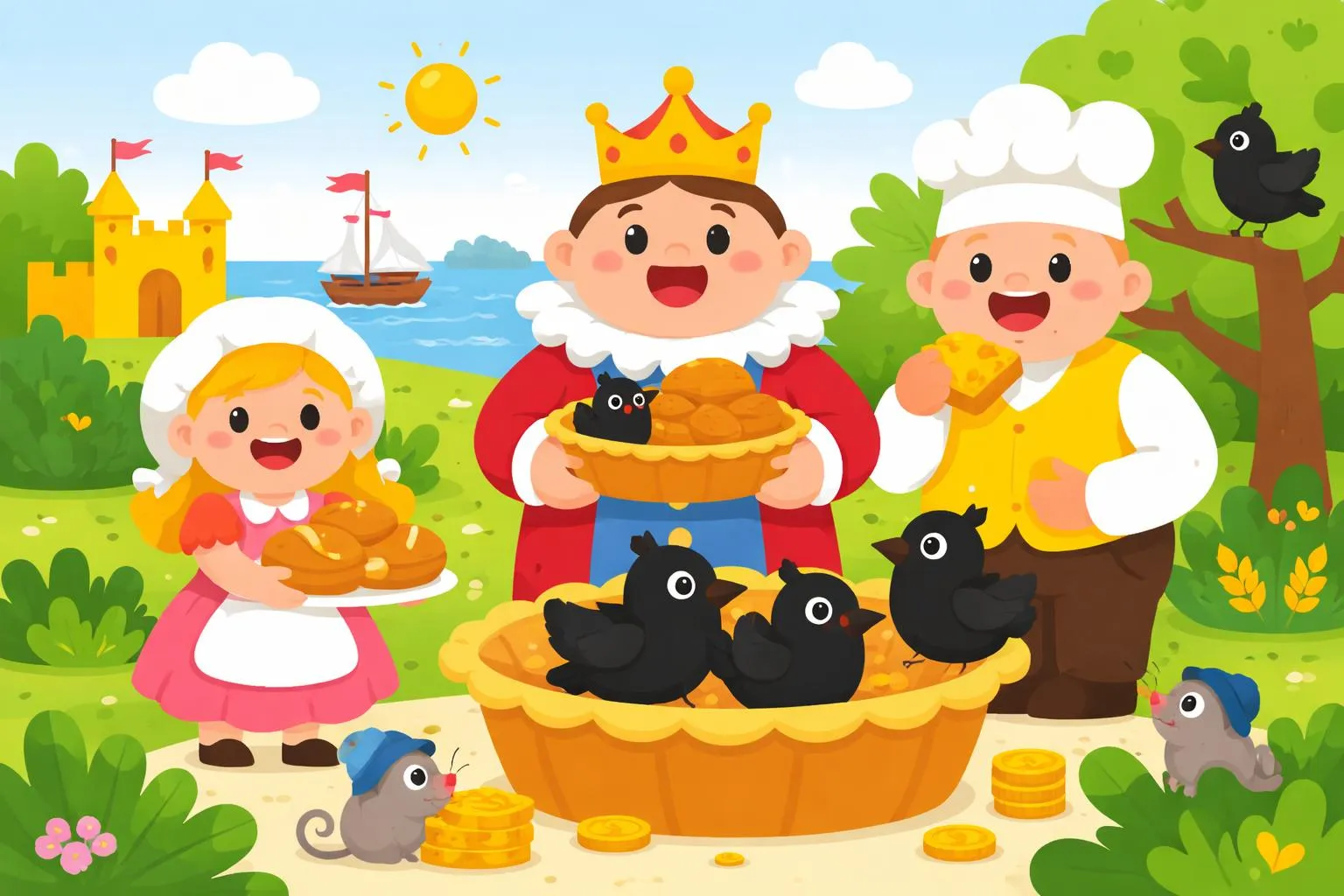
Four and twenty blackbirds
Baked in a pie.
When the pie was opened
The birds began to sing—
Wasn't that a dainty dish
To set before the king?
The king was in the counting-house
Counting out his money,
The queen was in the parlor
Eating bread and honey,
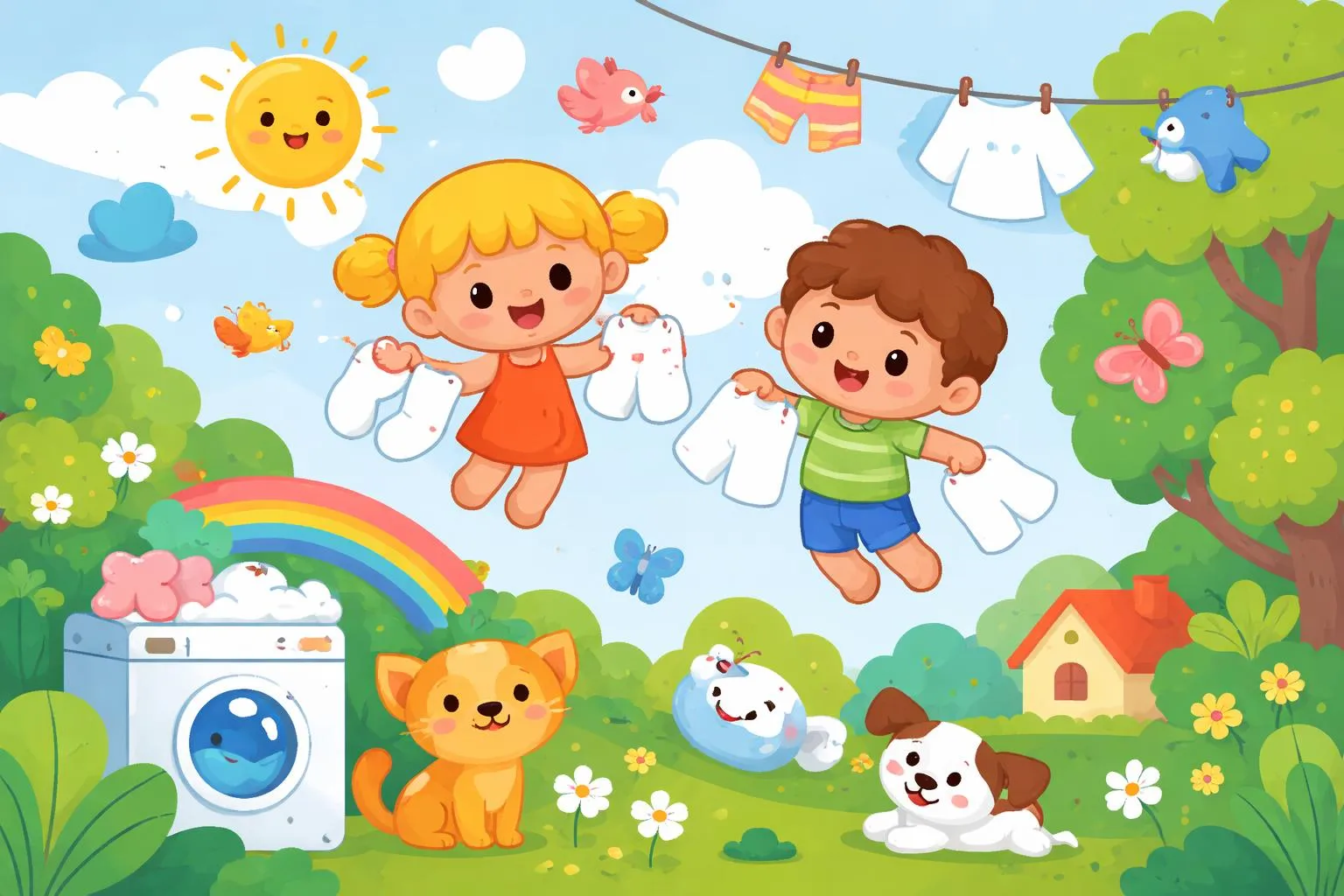
The maid was in the garden
Hanging out the clothes.
Along came a blackbird
And snipped off her nose.
Introduction and Explanation of the Poem
The nursery rhyme "Sing a Song of Sixpence" is a classic English poem that has been enjoyed by children for generations. At first glance, it appears to be a simple and whimsical tale involving a pie filled with blackbirds, a king, a queen, and a maid. However, the poem is rich in imagery and invites readers to imagine a playful, almost surreal scene where birds are baked into a pie and then begin to sing when the pie is opened.
The meaning of the poem is often interpreted as a fanciful story designed to entertain children with its rhythm and surprising elements. The "sixpence" refers to a small coin, and "a pocket full of rye" suggests a simple, rural setting. The "four and twenty blackbirds baked in a pie" is a vivid and memorable image, perhaps symbolizing abundance or a festive dish. The poem concludes with a humorous and slightly mischievous twist when a blackbird "snips off" the maid’s nose, adding an element of surprise and playful danger.
Background and Author
The exact origin of "Sing a Song of Sixpence" is uncertain, but it dates back to at least the 18th century. It is believed to have originated as a traditional English nursery rhyme passed down orally before being written down. The poem’s author is unknown, as is common with many nursery rhymes that evolved over time through folk tradition.
Some scholars speculate that the rhyme may have political or historical allegories hidden beneath its playful surface. For example, the "king" and "queen" could represent real historical figures, and the blackbirds might symbolize subjects or political groups. However, these interpretations remain speculative and are not confirmed.
Appreciation and Literary Value
This poem is a great example of rhythm, rhyme, and vivid imagery used to engage young readers. The repetitive and melodic structure makes it easy for children to memorize and recite. The poem’s playful tone and surprising ending stimulate imagination and curiosity.
The use of personification—birds singing after being baked in a pie—adds a magical and surreal quality. The characters (king, queen, maid) represent a simple social hierarchy, making it accessible for children to understand roles and settings.
Educational Value and Learning Points
Children and students can learn several valuable lessons and skills from this poem:
- Vocabulary Building: Words like "sixpence," "rye," "dainty," and "parlor" introduce children to historical and less common English terms.
- Rhythm and Rhyme Recognition: The poem’s structure helps children recognize rhyme schemes and develop phonemic awareness.
- Imagination and Creativity: The whimsical story encourages creative thinking and storytelling skills.
- Social Roles Understanding: The poem introduces basic social roles (king, queen, maid) and settings (counting-house, garden).
- Moral Lessons: The unexpected ending with the blackbird snipping the maid’s nose can be a starting point for discussing consequences and caution.
Practical Applications in Life and Learning
- Memory and Recitation Practice: Teachers can use this poem to help students improve memory through repetition.
- Creative Writing Prompts: Children can be encouraged to create their own imaginative stories inspired by the poem.
- Cultural Awareness: Understanding nursery rhymes helps children appreciate cultural heritage and the evolution of language.
- Role Play and Drama: Students can act out the poem to develop speaking and performance skills.
Reading Comprehension Exercises
- What was inside the pie in the poem?
- What was the king doing while the pie was opened?
- Where was the queen during the events of the poem?
- What happened to the maid at the end of the poem?
- Why do you think the birds began to sing when the pie was opened?
Answers
- Four and twenty blackbirds were inside the pie.
- The king was in the counting-house counting out his money.
- The queen was in the parlor eating bread and honey.
- A blackbird snipped off the maid’s nose.
- The birds began to sing as a surprising and magical event, adding to the whimsy of the poem.
Conclusion
"Sing a Song of Sixpence" remains a beloved nursery rhyme because of its catchy rhythm, imaginative story, and memorable characters. It offers children opportunities to develop language skills, creativity, and cultural knowledge. By exploring its meaning, background, and lessons, students can gain a deeper appreciation for traditional English literature and the power of storytelling.