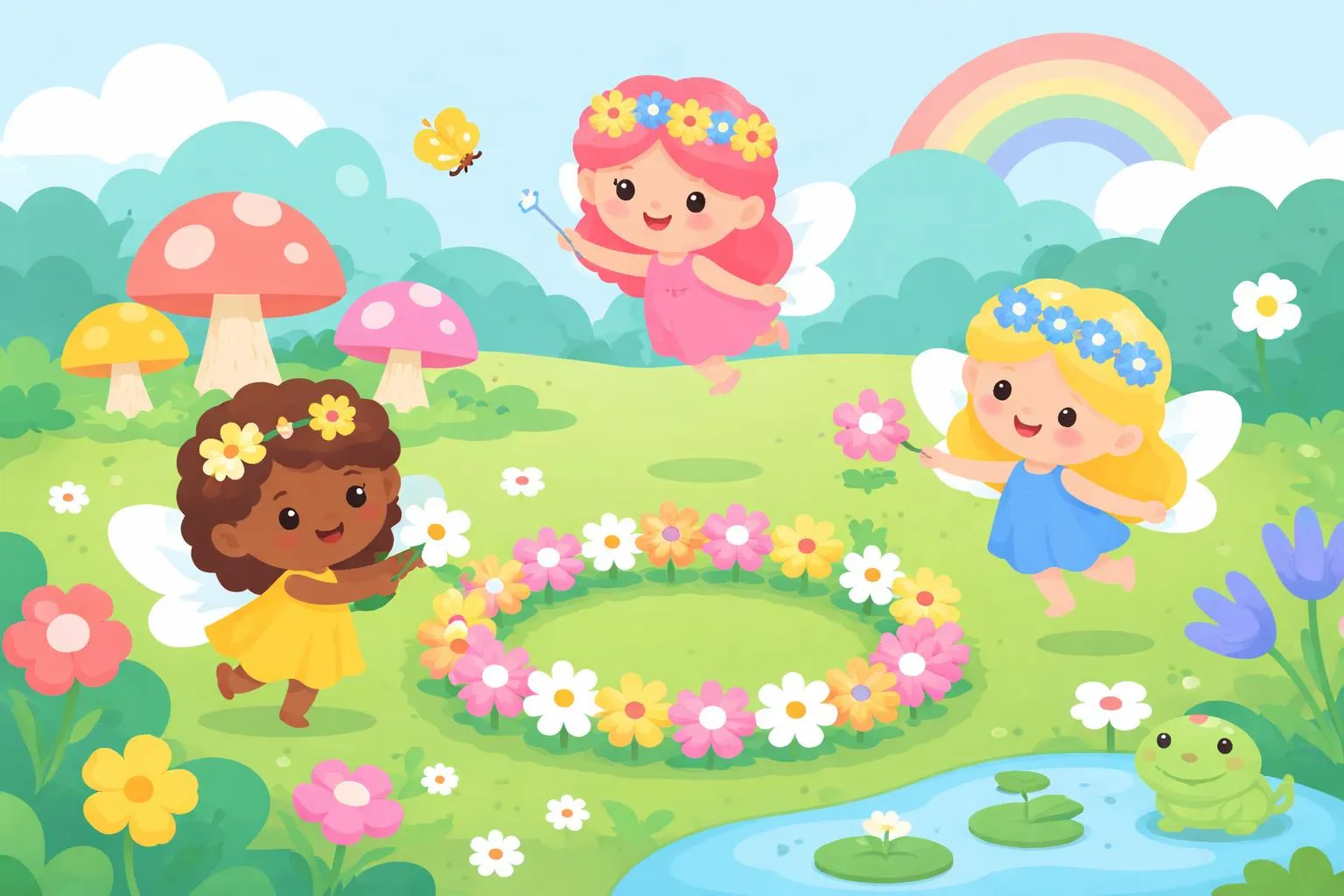

Original Poem:
The best game the fairies play,
The best game of all,
Is sliding down steeples—
(You know they’re very tall).
You fly to the weathercock,
And when you hear it crow,
You fold your wings and clutch your things
And then let go!
They have a million other games—
Cloud-catching’s one,
And mud-mixing after rain
Is heaps and heaps of fun;
But when you go and stay with them
Never mind the rest,
Take my advice—they’re very nice,
But steeple-sliding’s best!
Explanation and Interpretation of the Poem
This delightful poem captures the whimsical world of fairies and their favorite pastime: sliding down tall steeples. The poem opens by declaring that among all the games fairies play, steeple-sliding is the best. The imagery is vivid and playful, inviting readers to imagine tiny winged creatures flying up to the top of a tall church steeple, represented here by the weathercock, a traditional rooster-shaped ornament that often sits atop such buildings.
The poem describes the thrill of the game: the fairies fly to the weathercock, wait for it to "crow," then fold their wings, hold on tight, and let themselves slide down. This action conveys a sense of excitement, bravery, and fun. The poem also mentions other fairy games like cloud-catching and mud-mixing after rain, emphasizing the fairies’ joyful interaction with nature.
Ultimately, the poem encourages readers to appreciate the imaginative world of fairies and their playful spirit, highlighting that while there are many fun activities, steeple-sliding stands out as the most exciting.
Background and Author Information
This poem is a classic example of children’s poetry that blends fantasy with nature. While the exact author is not specified here, poems like this are often found in collections aimed at young readers, designed to stimulate imagination and a love for the natural world. Such poems typically come from the tradition of English children’s literature, where fairies and magical creatures are common themes.
The use of simple language, rhyme, and rhythm makes the poem accessible and enjoyable for children, helping to develop their phonetic awareness and appreciation for poetic forms.
Reflection and Personal Response
Reading this poem evokes a sense of wonder and nostalgia. It reminds us of the joy of childhood imagination, where everyday objects like a church steeple become part of magical adventures. The poem’s playful tone and vivid imagery invite readers to see the world through the eyes of fairies, encouraging creativity and a sense of fun.
For adults, it can also serve as a gentle reminder to embrace childlike wonder and find joy in simple pleasures. The poem’s message about the best game being one that involves courage and letting go can be interpreted as a metaphor for life’s adventures.
Learning Points and Educational Value
Children and students can learn several things from this poem:
- Vocabulary Development: Words like steeple, weathercock, fold, clutch, and mud-mixing enrich children’s vocabulary.
- Imaginative Thinking: The poem encourages creative visualization and imaginative play.
- Rhythm and Rhyme: The poem’s rhyme scheme helps children recognize patterns in language, aiding reading fluency.
- Nature Appreciation: References to rain, mud, clouds, and weathercocks connect children with natural elements.
- Metaphorical Understanding: The poem subtly introduces the idea of taking risks and enjoying life’s thrills, symbolized by the steeple slide.
Practical Applications in Life and Learning
- Creative Writing: Students can be inspired to write their own poems or stories about magical creatures and their games.
- Art Projects: Drawing or crafting scenes from the poem can enhance comprehension and artistic skills.
- Science Lessons: Teachers can link the poem to lessons about weather, birds (weathercocks), and natural phenomena like rain and clouds.
- Social-Emotional Learning: Discussing the poem can help children explore feelings of excitement, courage, and friendship.
Reading Comprehension Questions
- What is the best game the fairies play according to the poem?
- Where do the fairies fly to start their game?
- What do the fairies do when they hear the weathercock crow?
- Name two other games the fairies play besides steeple-sliding.
- What advice does the speaker give about playing with the fairies?
Answers
- The best game the fairies play is sliding down steeples.
- The fairies fly to the weathercock on top of the steeple.
- When they hear the weathercock crow, the fairies fold their wings, clutch their things, and then let go to slide down.
- Two other games mentioned are cloud-catching and mud-mixing after rain.
- The speaker advises that the fairies are very nice, but steeple-sliding is the best game to play with them.
This poem is a wonderful resource for fostering imagination, language skills, and a joyful connection to nature in young learners.














