
Original Poem:
They have set aside their black tin boxes,
scratched and dented,
spattered with drops of pink and blue;
and their dried-up, rolled-up tubes
of alizarin crimson, chrome green,
zinc white, and ultramarine;
their vials half full of gold powder;
stubs of wax pencils;
frayed brushes with tooth-bitten shafts;
and have gone in fashion and with grace
into the clouds of loose, lush roses,
narcissus, pansies, columbine,
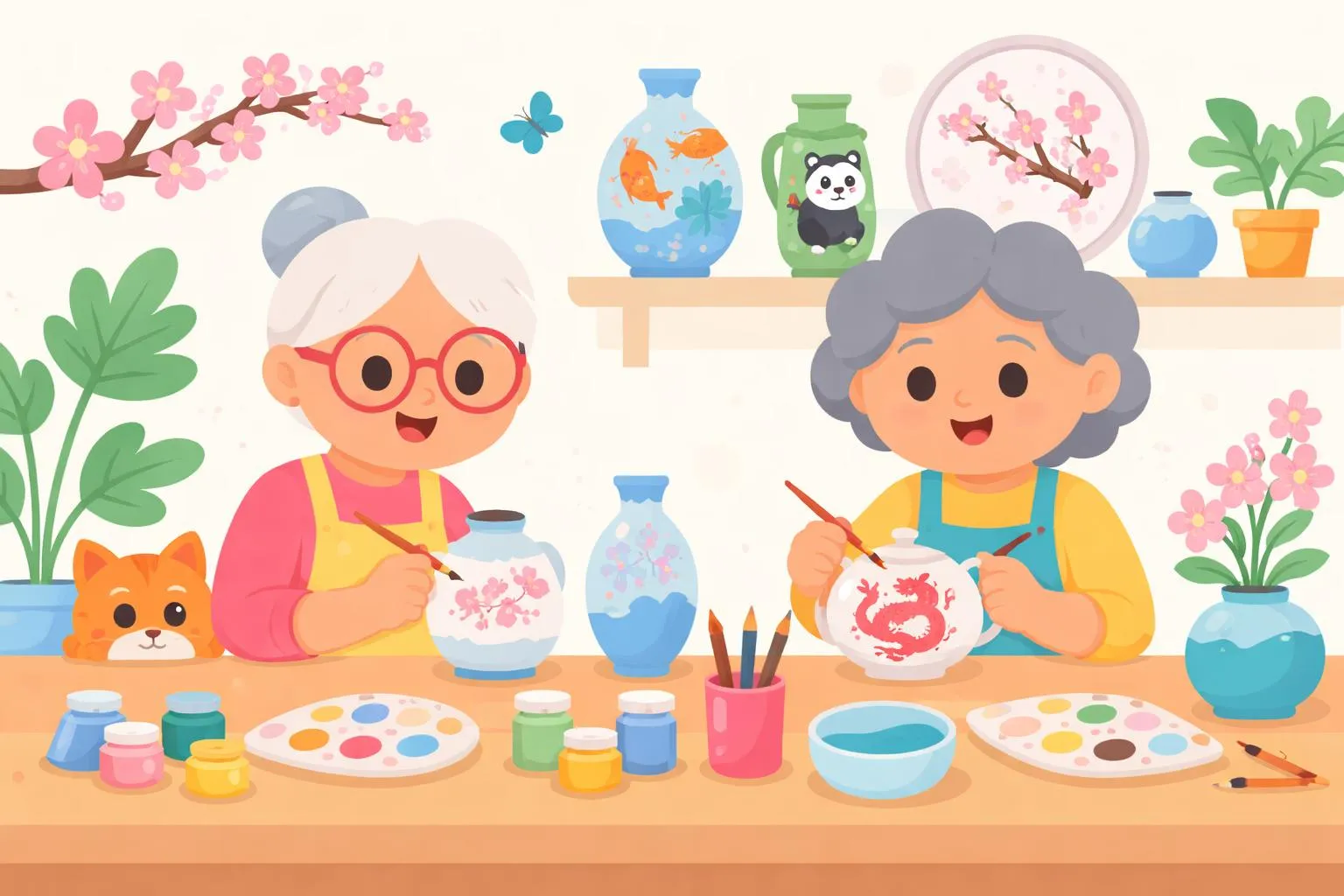
on teapots, chocolate pots,
saucers and cups, the good Haviland dishes
spread like a garden
on the white lace Sunday cloth,
as if their souls were bees
and the world had been nothing but flowers.
Poem Explanation and Interpretation
This evocative poem beautifully captures the moment when artists put away their tools—paint tubes, brushes, pencils, and powders—and transition from the act of creation to the celebration of their finished work. The poem opens with a vivid image of well-used art supplies: black tin boxes scratched and dented, paint tubes dried and rolled up, and brushes worn from use. These details emphasize the dedication and labor behind the creative process.
The poem then shifts focus to the artwork itself, describing lush floral patterns painted on delicate porcelain items such as teapots, chocolate pots, saucers, and cups. The imagery of flowers like roses, narcissus, pansies, and columbine evokes a sense of beauty, life, and nature. The dishes are described as being "spread like a garden," suggesting that the art has transformed everyday objects into something extraordinary and alive.
The final lines metaphorically compare the artists’ souls to bees, busy and productive, implying that their world is filled with beauty and creativity, as if "the world had been nothing but flowers." This metaphor highlights the harmony between the artists and their creations, and the transformative power of art.
Background and Author Introduction
While the poem’s author is not explicitly mentioned here, the style and subject matter suggest a deep appreciation for traditional craftsmanship and artistic dedication. The poem likely reflects a time when hand-painted porcelain was a cherished art form, requiring patience, skill, and an intimate connection with materials.
Such poems often come from writers or poets who admire the quiet, meticulous work behind artistic creations and who seek to honor the often unseen labor of artists. The imagery of Haviland dishes—a famous French porcelain brand—also situates the poem in a cultural context where fine craftsmanship and artistry were highly valued.
Reflection and Personal Response
Reading this poem invites us to pause and appreciate the hidden effort behind beautiful objects. It reminds us that what we admire in art or everyday items often comes from long hours of dedication and care. The poem’s gentle tone and rich imagery evoke a sense of nostalgia and respect for tradition.
Personally, this poem inspires a deeper appreciation for the creative process and encourages mindfulness about the value of patience and skill. It also highlights how art can transform the mundane into something magical, enriching our daily lives.
Educational Value and Learning Points
This poem offers several valuable lessons for children and students:
- Vocabulary Building: Words like alizarin crimson, ultramarine, narcissus, and columbine introduce students to specific artistic and botanical terms.
- Imagery and Metaphor: The poem is an excellent example of how imagery and metaphor work together to create vivid pictures and deeper meanings.
- Art Appreciation: It teaches respect for the artistic process, showing that creativity involves both struggle and beauty.
- Cultural Awareness: Mention of Haviland dishes can lead to discussions about cultural heritage, craftsmanship, and history.
- Mindfulness and Patience: The poem encourages students to value patience and dedication in any craft or study.
Practical Applications in Life and Learning
- Art Classes: Students can learn about different paint colors and materials mentioned, then try painting floral designs on paper or ceramics.
- Creative Writing: Use the poem as a model for writing descriptive poems about everyday objects or nature.
- Science and Botany: Explore the flowers named in the poem, learning about their characteristics and symbolism.
- Mindfulness Practice: Encourage students to observe their surroundings carefully, appreciating small details like the poem’s artists do.
- History and Culture: Research the history of porcelain making and famous brands like Haviland to connect art with cultural history.
Reading Comprehension Questions
- What are some of the art materials mentioned in the poem?
- How does the poem describe the condition of the artists’ tools?
- Which flowers are painted on the porcelain items?
- What metaphor does the poem use to describe the artists’ souls?
- What feeling or atmosphere does the poem create about the world of the artists?
Answers
- The poem mentions black tin boxes, paint tubes (alizarin crimson, chrome green, zinc white, ultramarine), gold powder, wax pencils, and brushes.
- The tools are described as scratched, dented, dried-up, rolled-up, frayed, and tooth-bitten, showing they have been heavily used.
- The flowers painted include roses, narcissus, pansies, and columbine.
- The artists’ souls are compared to bees, busy and productive, suggesting their world is full of flowers and creativity.
- The poem creates a feeling of grace, beauty, and harmony, portraying the world as a garden filled with flowers and artistic expression.
This poem is a wonderful resource for developing language skills, artistic appreciation, and cultural knowledge, while inspiring students to see the beauty in both the creative process and the world around them.














