
Original Poem:
When the sun’s whiteness closes around us
Like a noose,
It is noon, and Molina squats
In the uneven shade of an oleander.
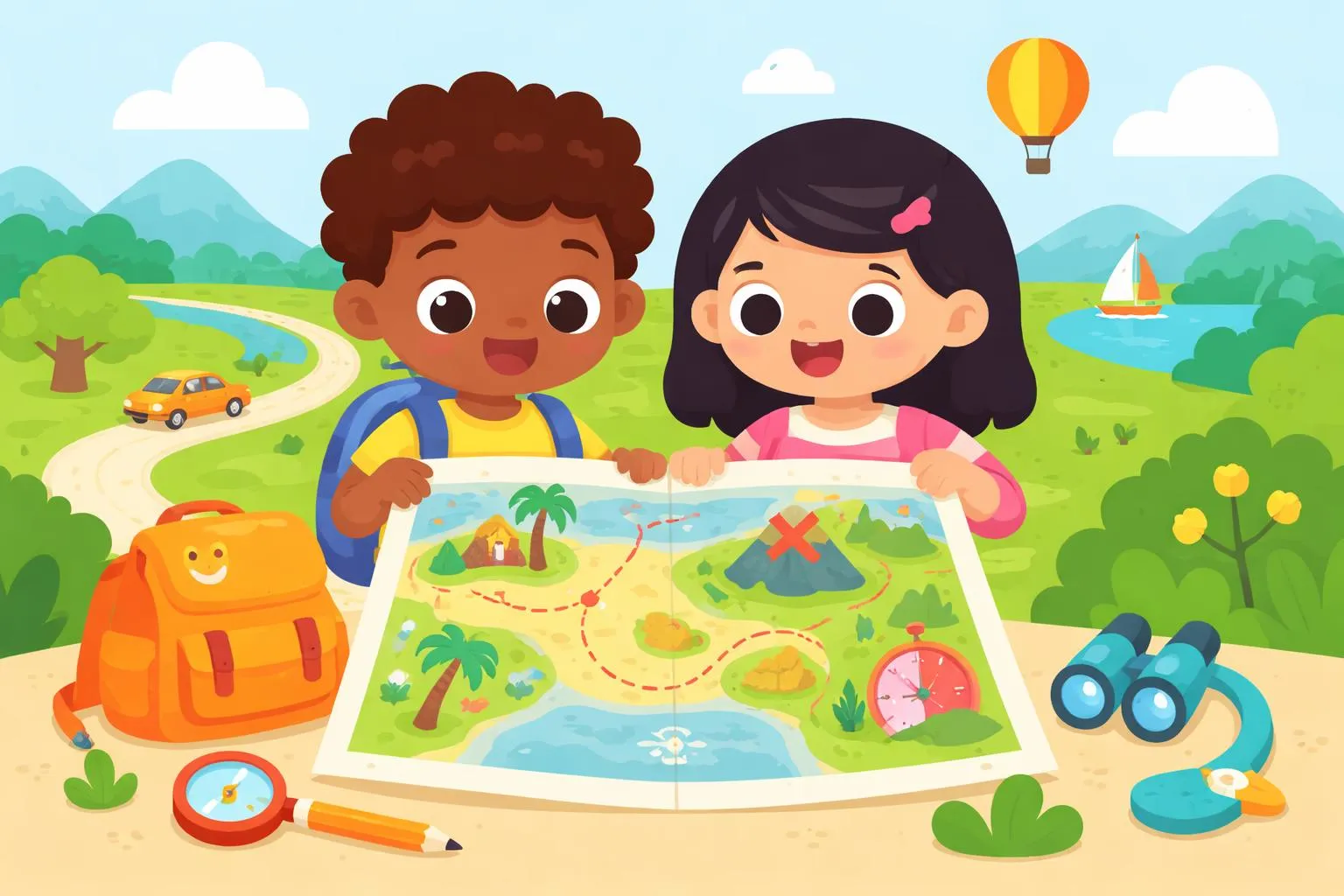
He unfolds a map and, with a pencil,
Blackens Panama
Into a bruise;
He dots rain over Bogotá, the city of spiders,
And x’s in a mountain range that climbs
Like a thermometer
Above the stone fence
The old never thought to look over.
A fog presses over Lima.
Brazil is untangled of its rivers.
Where there is a smudge,
Snow has stitched its cold into the field.
Where the river Orinoco cuts east,
A new river rises nameless
From the open grasses,
And Molina calls it his place of birth.</p>
Analysis and Interpretation of the Poem
This evocative poem captures a moment of intense geographical and emotional exploration. The imagery of the sun’s whiteness closing "like a noose" immediately sets a tone of suffocating heat and tension at noon. Molina, the central figure, is portrayed in a contemplative pose, squatting in the patchy shade of an oleander tree, a plant often associated with both beauty and danger. The act of unfolding a map and marking it with a pencil suggests a deep engagement with place, identity, and memory.
The poem uses powerful metaphors to describe the landscape: Panama is "blackened into a bruise," evoking pain or trauma; Bogotá is called "the city of spiders," hinting at complexity or entrapment; and a mountain range climbs "like a thermometer," symbolizing rising tension or temperature. The mention of places like Lima, Brazil, and the Orinoco River situates the poem firmly in a South American context, highlighting the vast and diverse natural environment.
The final lines introduce a new, unnamed river rising from the open grasses, which Molina claims as his birthplace. This can be interpreted as a metaphor for personal origin and identity, suggesting that one's roots may be fluid, new, or self-defined rather than fixed by traditional geography.
Background and Author Introduction
While the poem does not explicitly name its author, the style and themes suggest influence from Latin American literary traditions that often blend nature, geography, and identity. Molina, the character in the poem, may be a fictional or symbolic figure representing the search for belonging and self-definition amidst complex landscapes.
The poem likely draws from the historical and cultural richness of South America, a continent marked by diverse ecosystems, colonial histories, and vibrant indigenous cultures. The references to cities and natural features ground the poem in real places, while the imaginative descriptions invite readers to reflect on personal and collective histories.
Reflection and Personal Response
Reading this poem, one is struck by the way it intertwines the physical world with emotional states. The detailed map markings and the creation of a new river as a birthplace evoke a sense of reclaiming identity and navigating personal history. It encourages readers to think about how places shape us and how we, in turn, shape our understanding of those places.
The poem’s imagery also highlights the beauty and harshness of nature, reminding us of the power of the environment to influence human experience. The tension between the oppressive sun and the shaded oleander reflects the balance between struggle and refuge in life.
Educational Value and Learning Points
This poem offers rich material for children and students to explore several key concepts:
- Geography and Culture: Students can learn about the countries and cities mentioned—Panama, Bogotá, Lima, Brazil, and the Orinoco River—and their significance in South America.
- Metaphor and Imagery: The poem is an excellent example of how poets use vivid metaphors (e.g., "blackens Panama into a bruise") to convey emotion and meaning.
- Identity and Place: It encourages reflection on how places influence identity and how one might claim or redefine their origins.
- Nature and Environment: The poem’s descriptions of natural elements like sun, fog, rivers, and mountains provide a gateway to discussing ecosystems and climate.
Practical Applications
- In Classroom Discussions: Teachers can use the poem to prompt conversations about geography, cultural identity, and poetic devices.
- Creative Writing Exercises: Students can write their own poems or stories about places important to them, using metaphor and imagery.
- Environmental Studies: The poem can inspire projects on South American geography or environmental issues related to rivers and climate.
Key Vocabulary
- Noose: A loop with a running knot, used for catching or hanging.
- Oleander: A poisonous flowering shrub.
- Bruise: A mark on the skin caused by injury.
- Thermometer: An instrument for measuring temperature.
- Smudge: A blurred or dirty mark.
- Nameless: Without a name; unidentified.
Reading Comprehension Exercises
- What time of day is described in the poem, and how is it depicted?
- Who is Molina, and what is he doing in the poem?
- What does the metaphor "blackens Panama into a bruise" suggest?
- Why might the poem describe Bogotá as "the city of spiders"?
- What is the significance of the new, nameless river in the poem?
- How does the poem connect nature with personal identity?
- List three natural elements mentioned in the poem.
- What feelings does the poem evoke through its imagery?
- How might this poem inspire someone to think about their own place of birth or home?
- What literary devices are used in the poem? Give two examples.
Answers
- It is noon, depicted as the sun’s whiteness closing around like a noose, suggesting intense heat and pressure.
- Molina is a figure who squats in the shade, unfolding a map and marking it with a pencil, engaging deeply with geography.
- It suggests pain or trauma associated with Panama, as a bruise is a mark of injury.
- The metaphor may imply complexity, entrapment, or the intricate nature of the city.
- The new river symbolizes a personal or new origin, a place Molina claims as his birthplace, reflecting identity formation.
- The poem uses natural features and landscapes as metaphors for emotional states and personal history.
- Sun, fog, rivers, mountains, snow.
- It evokes feelings of tension, contemplation, mystery, and connection to place.
- It encourages reflection on how one’s identity is linked to place and how origins can be redefined.
- Metaphor ("blackens Panama into a bruise"), simile ("like a noose," "like a thermometer").
This poem is a profound exploration of place, identity, and nature, offering rich opportunities for learning and reflection across multiple disciplines.