
Original Poem:
I am the Smoke King
I am black!
I am swinging in the sky,
I am wringing worlds awry;
I am the thought of the throbbing mills,
I am the soul of the soul-toil kills,
Wraith of the ripple of trading rills;
Up I’m curling from the sod,
I am whirling home to God;
I am the Smoke King
I am black.
I am the Smoke King,
I am black!
I am wreathing broken hearts,
I am sheathing love’s light darts;
Inspiration of iron times
Wedding the toil of toiling climes,
Shedding the blood of bloodless crimes—
Lurid lowering ’mid the blue,
Torrid towering toward the true,
I am the Smoke King,
I am black.
I am the Smoke King,
I am black!
I am darkening with song,
I am hearkening to wrong!
I will be black as blackness can—
The blacker the mantle, the mightier the man!
For blackness was ancient ere whiteness began.
I am daubing God in night,
I am swabbing Hell in white:
I am the Smoke King
I am black.
I am the Smoke King
I am black!
I am cursing ruddy morn,
I am hearsing hearts unborn:
Souls unto me are as stars in a night,
I whiten my black men—I blacken my white!
What’s the hue of a hide to a man in his might?
Hail! great, gritty, grimy hands—
Sweet Christ, pity toiling lands!
I am the Smoke King
I am black.</p>
Analysis and Explanation of the Poem
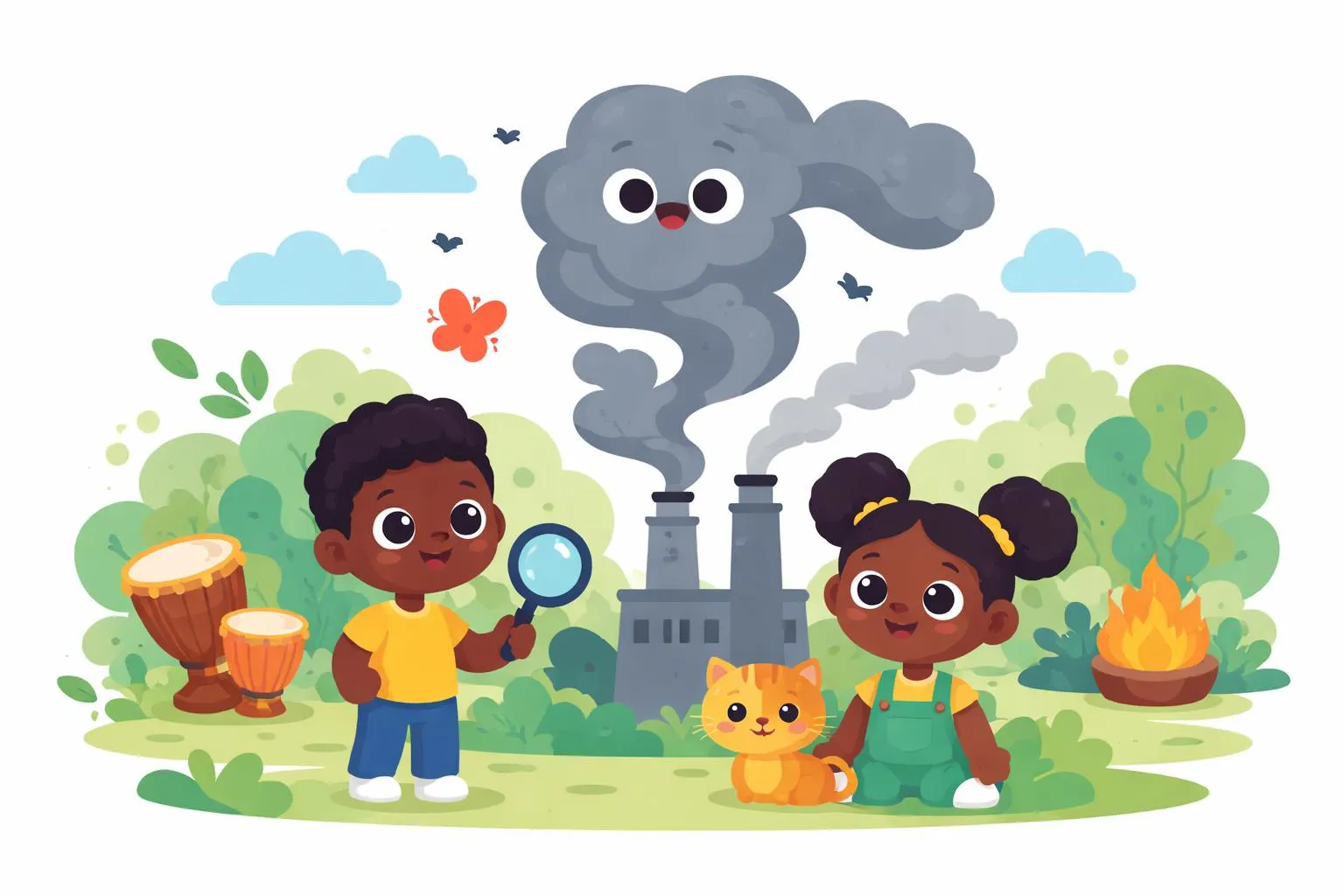
This powerful poem titled "I am the Smoke King" uses vivid and symbolic language to personify smoke as a dominant, almost regal figure that represents industrialization, toil, and the harsh realities of labor. The repeated declaration "I am black!" emphasizes the color of smoke, which is often associated with pollution, soot, and the griminess of factories and hard work.
The poem describes the Smoke King as a force that "wrings worlds awry" and "wreathes broken hearts," suggesting the destructive and sorrowful impact of industrial progress on the environment and human lives. It also refers to "the soul of the soul-toil kills," highlighting the exhaustion and sacrifice of workers.
The imagery in the poem is intense and sometimes contradictory, such as "I whiten my black men—I blacken my white!" This line challenges racial and social boundaries, implying that under the harsh conditions of labor and struggle, traditional distinctions blur. The poem also reflects on the ancient and primal nature of blackness, stating "blackness was ancient ere whiteness began," which can be interpreted as a meditation on origins and identity.
The Smoke King is portrayed as both a destructive and creative force, "shedding the blood of bloodless crimes," and "wedding the toil of toiling climes," symbolizing the complex relationship between human effort, suffering, and progress.
Background and Author Information
While the poem itself does not provide explicit information about its author or historical context, it strongly evokes themes common in the late 19th and early 20th centuries during the rise of industrialization. The imagery of mills, toil, and smoke suggests a setting where factories and manual labor dominate life, reflecting social and economic changes that deeply affected working-class communities.
The poem may have been written by a poet concerned with social justice, labor rights, or the environmental impact of industrial growth. Such works often aimed to raise awareness about the human cost behind economic progress and to challenge readers to consider the consequences of modernization.
Reflection and Personal Response
Reading "I am the Smoke King" evokes a strong emotional response. The poem’s tone is both defiant and mournful, giving voice to the invisible struggles of workers and the dark side of industrialization. It invites readers to think critically about progress and its price, encouraging empathy for those who endure hardship.
The personification of smoke as a king is striking—it suggests power and dominance but also a kind of tragic majesty. The poem’s repetition and rhythm create a chant-like quality, reinforcing the relentless presence of smoke and toil in the world it describes.
Educational Value and Learning Points
This poem offers several valuable lessons for children and students:
- Understanding Symbolism: The poem is rich in symbolic language. Students can learn how abstract concepts like smoke can represent larger ideas such as industrialization, labor, and social struggle.
- Exploring Themes: Themes of work, hardship, identity, and environmental impact provide opportunities for discussion about history, society, and ethics.
- Vocabulary Development: Words like "wreathing," "lurid," "torrid," and "hearsing" introduce advanced vocabulary in context.
- Critical Thinking: Students can analyze the poem’s tone and message, encouraging deeper thinking about the effects of industrial progress.
- Cultural Awareness: The poem touches on race and social identity, prompting conversations about equality and human dignity.
Practical Applications in Learning and Life
- Literature Classes: Use the poem to teach figurative language, personification, and symbolism.
- History Lessons: Connect the poem to the Industrial Revolution and its social impact.
- Environmental Studies: Discuss pollution and its consequences, using the poem’s imagery.
- Social Studies: Explore themes of labor rights and social justice.
- Creative Writing: Inspire students to write their own poems about nature, work, or social issues.
Reading Comprehension Questions
- Who or what is the speaker in the poem?
- What does the color black symbolize in the poem?
- How does the poem describe the effects of the Smoke King on the world?
- What contradictions or paradoxes does the poem present about blackness?
- What themes can you identify in the poem?
- Why do you think the poet repeats the phrase "I am the Smoke King, I am black" so often?
- How does the poem make you feel about industrialization and labor?
Answers to Reading Comprehension Questions
- The speaker is the Smoke King, a personification of smoke, likely representing industrial pollution and toil.
- Black symbolizes smoke, pollution, hardship, power, and ancient origins.
- The poem describes the Smoke King as a force that disrupts the world, causes sorrow, and is tied to the hard work and suffering of people.
- The poem shows blackness as both powerful and ancient, and it blurs racial distinctions, suggesting equality in struggle.
- Major themes include industrialization, labor, suffering, identity, and the dual nature of progress.
- The repetition emphasizes the Smoke King’s dominance and the inescapable presence of smoke and toil in the world.
- The poem may evoke feelings of sadness, respect for workers, and critical reflection on the costs of progress.
This poem is a rich resource for learning about poetic devices, historical context, and social themes, making it an excellent tool for students to deepen their understanding of literature and the world around them.