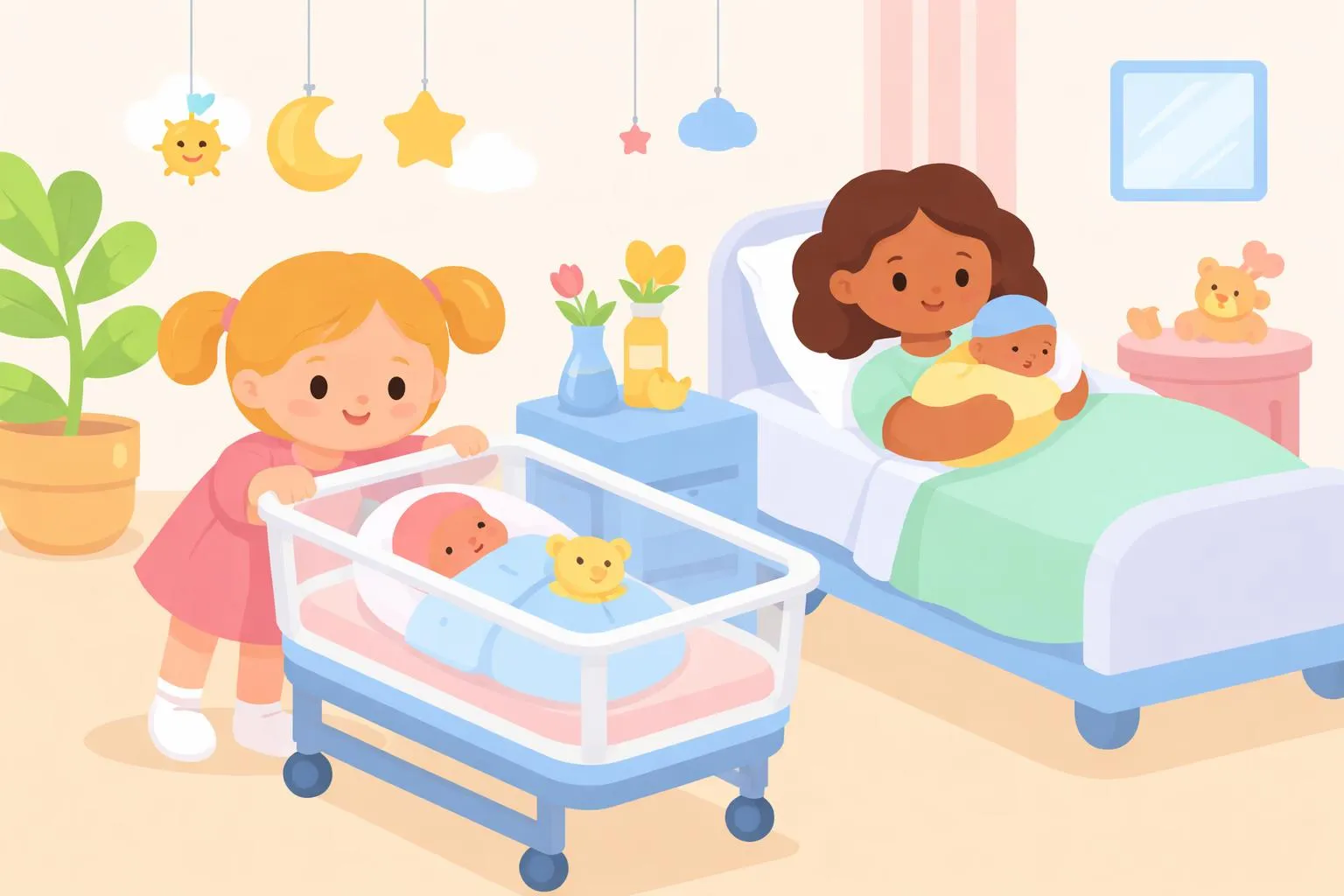

Original Poem:
Child, the current of your breath is six days long.
You lie, a small knuckle on my white bed;
lie, fisted like a snail, so small and strong
at my breast. Your lips are animals; you are fed
with love. At first hunger is not wrong.
The nurses nod their caps; you are shepherded
down starch halls with the other unnested throng
in wheeling baskets. You tip like a cup; your head
moving to my touch. You sense the way we belong.
But this is an institution bed.
You will not know me very long.
The doctors are enamel. They want to know
the facts. They guess about the man who left me,
some pendulum soul, going the way men go
and leave you full of child. But our case history
stays blank. All I did was let you grow.
Now we are here for all the ward to see.
They thought I was strange, although
I never spoke a word. I burst empty
of you, letting you learn how the air is so.
The doctors chart the riddle they ask of me
and I turn my head away. I do not know.
Yours is the only face I recognize.
Bone at my bone, you drink my answers in.
Six times a day I prize
your need, the animals of your lips, your skin
growing warm and plump. I see your eyes
lifting their tents. They are blue stones, they begin
to outgrow their moss. You blink in surprise
and I wonder what you can see, my funny kin,
as you trouble my silence. I am a shelter of lies.
Should I learn to speak again, or hopeless in
such sanity will I touch some face I recognize?
Down the hall the baskets start back. My arms
fit you like a sleeve, they hold
catkins of your willows, the wild bee farms
of your nerves, each muscle and fold
of your first days. Your old man’s face disarms
the nurses. But the doctors return to scold
me. I speak. It is you my silence harms.
I should have known; I should have told
them something to write down. My voice alarms
my throat. “Name of father—none.” I hold
you and name you bastard in my arms.
And now that’s that. There is nothing more
that I can say or lose.
Others have traded life before
and could not speak. I tighten to refuse
your owling eyes, my fragile visitor.
I touch your cheeks, like flowers. You bruise
against me. We unlearn. I am a shore
rocking you off. You break from me. I choose
your only way, my small inheritor
and hand you off, trembling the selves we lose.
Go child, who is my sin and nothing more.
Analysis and Explanation of the Poem
This poignant poem explores the intimate and painful experience of a mother and her newborn child in a hospital setting. The child, described with delicate and vivid imagery, symbolizes new life yet also vulnerability and fragility. The poem captures the tension between love and loss, hope and despair, as the mother navigates her role in an institutional environment where the child’s future is uncertain.
The poem’s tone is both tender and somber. The mother’s breath, the child’s “small knuckle,” and the description of the child’s lips as “animals” evoke a sense of closeness and raw life force. The institutional setting—“starch halls,” “wheeling baskets,” and “doctors are enamel”—represents a cold, clinical world contrasting with the warmth of maternal love.
The mother’s silence and the doctors’ demand for facts highlight the emotional isolation and societal judgment she faces. The revelation of the child’s father as “none” and the naming of the child as “bastard” reflect the stigma and shame imposed on them. Despite this, the mother’s love remains fierce and protective.
The poem ends on a note of bittersweet acceptance. The mother acknowledges the painful reality but also the unique bond they share. The phrase “Go child, who is my sin and nothing more” encapsulates the complex feelings of guilt, love, and resignation.
Background and Author Introduction
This poem likely comes from a modern or contemporary poet who focuses on themes of motherhood, identity, and societal expectations. The author’s voice reveals deep empathy for marginalized individuals, especially women and children facing hardship. The poem’s setting in a hospital or institution suggests a personal or observed experience with childbirth outside traditional family structures.
The author uses vivid, sometimes stark imagery to confront difficult subjects such as illegitimacy, institutional care, and the emotional struggles of single motherhood. By doing so, the poem challenges social stigmas and invites readers to empathize with those often silenced or overlooked.
Reflections and Insights
Reading this poem evokes a profound emotional response. It reminds us of the resilience of the human spirit and the complexities of love under difficult circumstances. The mother’s struggle to protect and nurture her child, despite societal judgment and personal pain, is deeply moving.
This poem also encourages reflection on how society treats vulnerable individuals, particularly women and children in institutional settings. It highlights the importance of compassion and understanding beyond mere facts and clinical assessments.
Educational Value and Learning Points for Students
Students can learn several important lessons from this poem:
- Empathy and Compassion: Understanding the emotions and challenges faced by others, especially marginalized groups.
- Imagery and Symbolism: How poets use vivid images (e.g., “lips are animals,” “blue stones”) to convey complex feelings.
- Themes of Identity and Stigma: Exploring how social labels affect individuals and families.
- Motherhood and Family Dynamics: Recognizing the diverse experiences of motherhood beyond traditional narratives.
- Language and Tone: Analyzing how word choice and tone create mood and emotional impact.
In life and learning, this poem can inspire discussions about social justice, mental health, and the power of language to express deep human experiences. It also encourages critical thinking about societal norms and personal identity.
Practical Applications and Discussion
- In classrooms, this poem can be used to foster discussions on family diversity, social stigma, and emotional expression.
- In counseling or social work education, it offers insight into the emotional complexities faced by single mothers and children in care.
- In literature studies, it provides a rich example of modern poetry techniques and thematic depth.
- For creative writing, students can practice writing from different perspectives or exploring difficult emotions through metaphor and imagery.
Reading Comprehension Questions
- What is the setting of the poem, and how does it affect the mood?
- How does the poet describe the child? Give two examples of imagery used.
- What emotions does the mother experience throughout the poem?
- Why does the mother say, “Name of father—none” and call the child “bastard”?
- What does the phrase “You break from me. I choose your only way” suggest about the mother’s feelings?
- How do the doctors and nurses differ in their treatment or perception of the mother and child?
- What themes are explored in this poem?
- How does the poem challenge societal attitudes toward single motherhood?
Answers to Reading Comprehension Questions
- The poem is set in a hospital or institutional ward, creating a cold, clinical, and isolating atmosphere that contrasts with the warmth of the mother’s love.
- The child is described as “a small knuckle,” “fisted like a snail,” and the lips are called “animals.” These images emphasize the child’s fragility, strength, and primal life force.
- The mother experiences love, protectiveness, pain, shame, silence, and ultimately acceptance.
- The mother reveals that the child’s father is unknown or absent, and calling the child “bastard” reflects the social stigma and her own conflicted feelings.
- It suggests the mother is letting go, accepting the child’s independence and the difficult reality they face.
- Nurses seem more compassionate (“nod their caps”), while doctors are cold and clinical (“enamel”) and focus on facts rather than emotions.
- Themes include motherhood, identity, social stigma, love and loss, institutionalization, and resilience.
- The poem exposes the harsh judgment and emotional isolation faced by single mothers, urging empathy and understanding.
This poem is a powerful exploration of human connection, societal judgment, and the enduring bond between mother and child, offering rich material for education and reflection.