
Original Poem:
Written on clapboard or asbestos siding, the cartoony
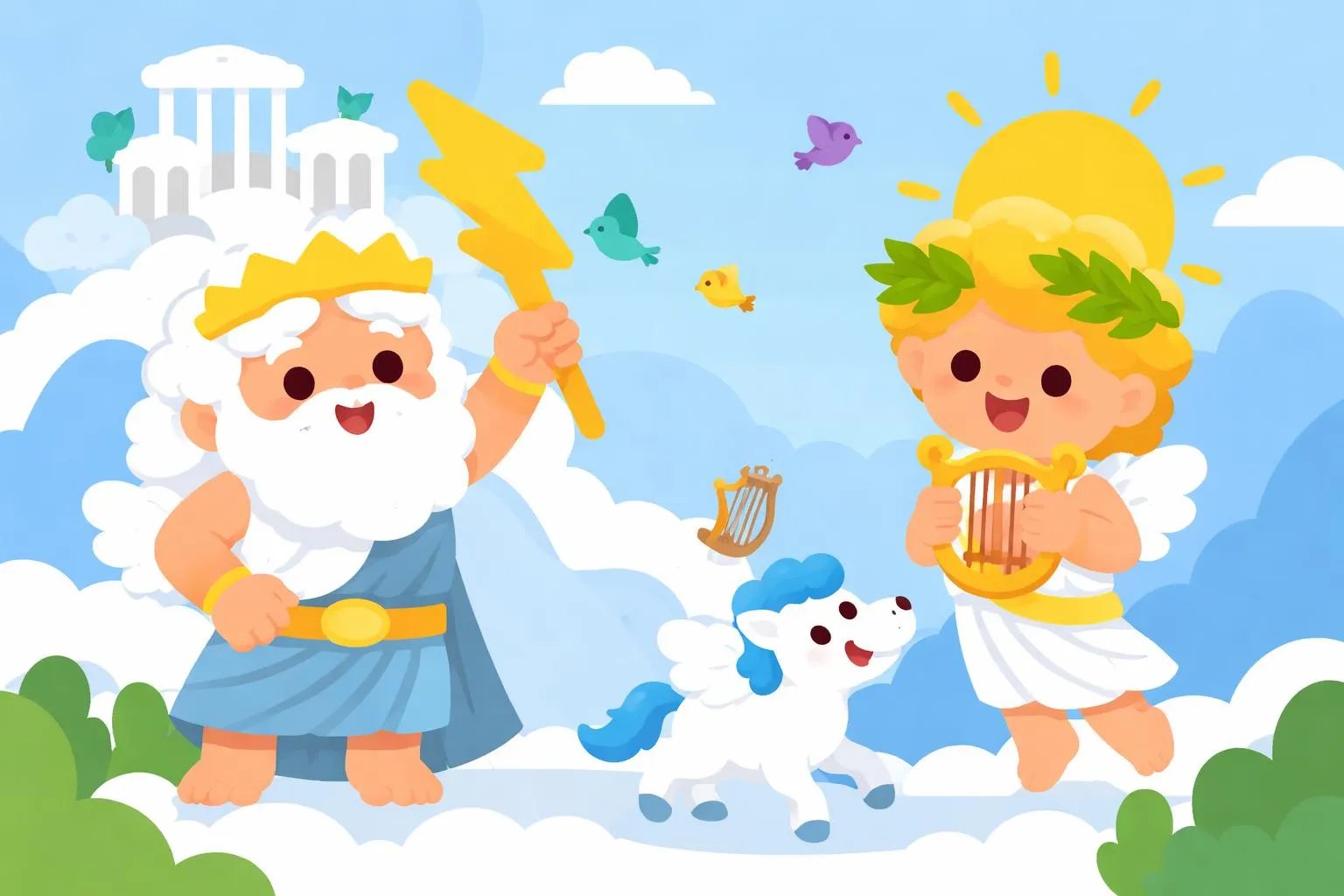
spray-paint signatures of Apollo and Zeus,
two home boys out bombing last night in thick fog.
Fog near the shade of pearls. Except they didn’t see the mist
that way, glad for their thin leather gloves.
Wind raw at the wide avenue, so they cut
from there to here.
Even if this is in the past
tense, tense of the totally chilled-out,
even if they argued here over Krylon blue or candy-apple red,
that doesn’t mean they knocked-off and streaked home then.
And if I saw fog the shade of pearls
it doesn’t mean my heart in its own corrosive and healing fog
can’t tug on thin leather gloves and stand
in front of a wall, pissing off the Fates
and whoever else owns that wall. Whoever owns it
means less than the dry, fallen leaves of eucalyptus
blown crackling over tar and concrete
and sounding, when you shut your eyes, like every tree
bursting into leaf for the first time, speeded-up
like the first minute of the world.
Poem Explanation and Interpretation
This poem vividly captures a moment of youthful rebellion and expression through the metaphor of graffiti art. The "cartoony spray-paint signatures of Apollo and Zeus" symbolize two young friends, possibly graffiti artists, marking their presence in the urban environment. The poem is set during a foggy night, adding a mysterious and atmospheric layer to their nocturnal activity. The fog described as "the shade of pearls" creates a delicate, almost magical ambiance, contrasting with the rawness of the city and the act of graffiti, which is often seen as defiant or subversive.
The poem explores themes of identity, rebellion, and the passage of time. Even though the events are described in the past tense, the narrator suggests that the spirit of those moments remains alive. The mention of arguing over "Krylon blue or candy-apple red" highlights the creative choices and passion involved in their art, emphasizing the importance of color and style in their self-expression.
The poem also reflects on the emotional state of the narrator, who sees the fog as a metaphor for their own heart — "in its own corrosive and healing fog" — suggesting a complex mix of pain and recovery. The act of standing in front of the wall, defying fate and ownership, represents a challenge to authority and societal norms.
Finally, the natural imagery of "dry, fallen leaves of eucalyptus" and the sound of leaves crackling over concrete evoke a sense of renewal and the cyclical nature of life, likening it to "every tree bursting into leaf for the first time" and the "first minute of the world." This symbolizes hope, new beginnings, and the enduring power of creativity.
Background and Author Introduction
This poem likely belongs to a contemporary poet who blends urban imagery with classical references, such as Apollo and Zeus, to create a layered narrative about youth culture and artistic expression. The use of graffiti as a central motif connects the poem to modern street art movements, which often serve as a voice for marginalized communities and a form of social commentary.
The author’s style is characterized by vivid sensory details and a conversational tone that invites readers to experience the scene firsthand. The poem’s structure and language suggest an interest in the interplay between memory, place, and identity, common themes in modern poetry.
Reflections and Insights
Reading this poem encourages reflection on the power of art as a form of resistance and self-expression. It reminds us that even small acts, like spray-painting a wall, can hold deep personal and cultural significance. The poem also highlights the importance of friendship and shared experiences in shaping our identities.
The metaphor of fog as both corrosive and healing suggests that emotional struggles are complex but can lead to growth and renewal. This duality is a powerful message for readers of all ages, emphasizing resilience and hope.
Learning Points for Children and Students
From this poem, children and students can learn several important lessons and skills:
- Understanding metaphor and symbolism: The fog, colors, and graffiti represent deeper ideas about emotions and identity.
- Appreciating urban culture: The poem introduces the concept of graffiti as an art form and a means of communication.
- Exploring themes of friendship and creativity: The relationship between Apollo and Zeus shows collaboration and shared passion.
- Recognizing the passage of time: The poem’s past tense and reflections on memory encourage thinking about how experiences shape us.
- Developing descriptive writing skills: The vivid imagery can inspire students to use sensory details in their own writing.
Practical Applications in Life and Learning
- Art and self-expression: Students can be encouraged to explore their own creativity through drawing, painting, or writing about their experiences.
- Emotional awareness: Discussing the poem’s themes can help students understand and express complex feelings.
- Cultural studies: The poem can be a starting point for learning about street art, urban environments, and contemporary social issues.
- Critical thinking: Analyzing the poem’s language and themes develops interpretive skills useful across subjects.
Reading Comprehension Exercises
- Who are Apollo and Zeus in the poem, and what do they represent?
- What is the significance of the fog described as "the shade of pearls"?
- Why do the narrator and the two friends argue over "Krylon blue or candy-apple red"?
- How does the poem use natural imagery like eucalyptus leaves to convey its message?
- What emotions does the narrator associate with the fog in their heart?
- How does the poem portray the act of graffiti painting?
- What does the phrase "pissing off the Fates" suggest about the narrator’s attitude?
- How does the poem connect the past and present tense?
- What lessons about creativity and identity can students learn from this poem?
- How might this poem inspire someone to express themselves in their own life?
Answers
- Apollo and Zeus are the nicknames of two young friends who spray-paint graffiti; they represent youthful creativity and rebellion.
- The fog as "the shade of pearls" symbolizes a delicate, mysterious atmosphere that contrasts with the gritty urban setting.
- They argue over paint colors, showing their passion for art and the importance of creative choices.
- The natural imagery suggests renewal and the cyclical nature of life, linking the urban scene to the natural world.
- The narrator’s heart fog is both corrosive and healing, indicating emotional complexity and growth.
- Graffiti painting is portrayed as an act of defiance and self-expression.
- It shows the narrator’s rebellious spirit, challenging fate and authority.
- The poem reflects on past events while keeping their emotional impact alive in the present.
- Students learn about self-expression, friendship, and the power of art to communicate identity.
- It encourages embracing creativity and standing up for one’s passions despite obstacles.
This poem offers rich material for exploring language, culture, and personal growth, making it a valuable resource for educational settings.