
What is the Rhyme “Lirik Lagu Rain Rain Go Away”?
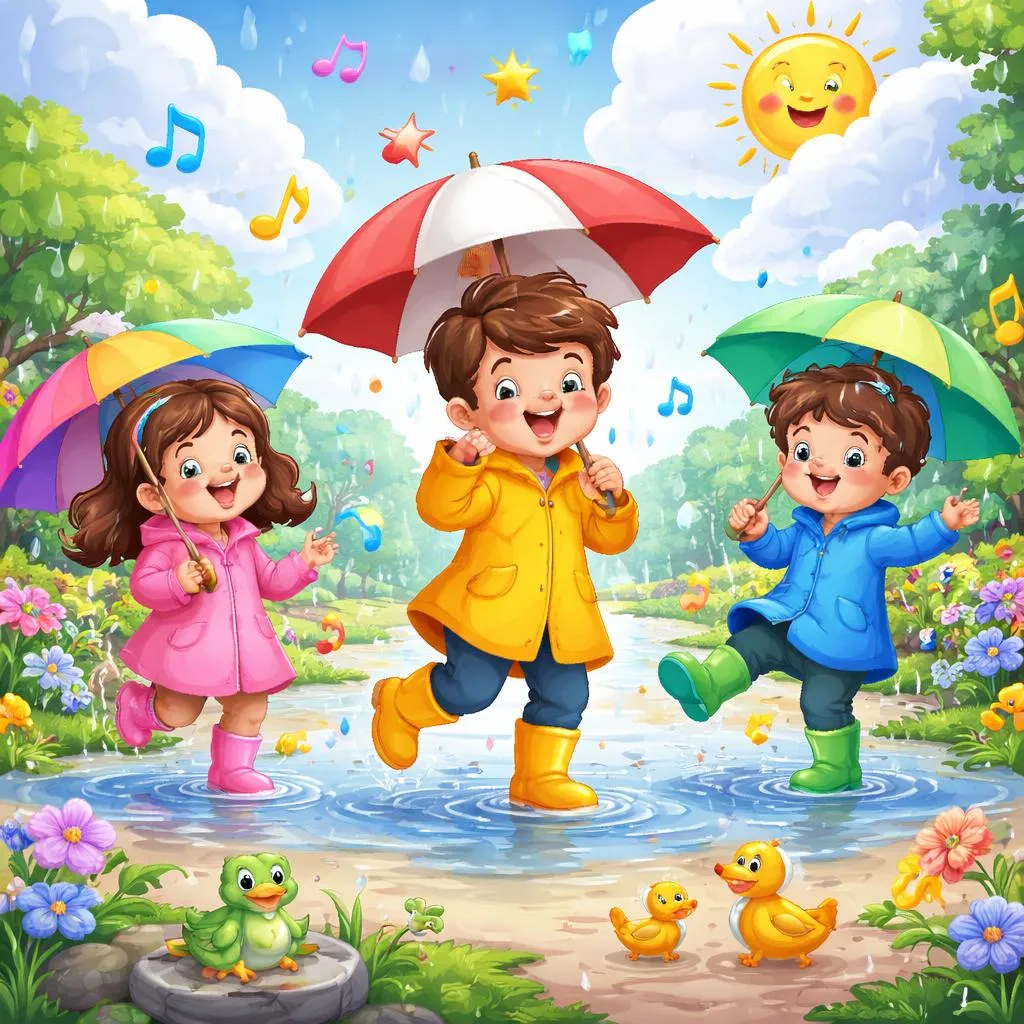
“Lirik lagu rain rain go away” is a popular English nursery rhyme. It is short, simple, and easy to remember. The rhyme is often sung by children when it is raining. It helps children practice English vocabulary and pronunciation. Songs like this also improve listening skills, rhythm, and memory.
The song has a playful tone. It connects words with actions, making learning fun. Children can clap hands, tap feet, or move around while singing. This makes the rhyme an engaging activity in classrooms and homes.
The Lyrics
The lyrics of “Rain Rain Go Away” are easy to follow. Here is the basic version:
Rain, rain, go away, Come again another day. Little children want to play, Rain, rain, go away.
Each line is simple. The words repeat, which helps children remember them quickly. The rhyme shows a cause-and-effect idea: rain stops, then play begins. It uses polite words like “go away” and “come again,” teaching social language too.
Vocabulary Learning
The song includes useful words for kids.
Rain: Water falling from the sky.
Go away: To leave or move away.
Come again: To return later.
Little children: Kids or young people.
Want: To wish for something.
Play: To have fun or enjoy an activity.
Children can learn these words by connecting them to actions. For example, pretending to catch raindrops or moving hands to show rain going away. Using gestures helps remember new vocabulary.
Phonics Points
The rhyme also teaches pronunciation and sounds. “Rain” has a long “ai” sound. “Go” has a long “o” sound. “Little” includes the “l” sound at the start and the soft “le” at the end. Repetition in the song allows children to practice these sounds multiple times. Singing aloud improves phonics awareness naturally.
Grammar Patterns
The song contains simple grammar patterns for children to notice:
Imperative sentences: “Go away” gives a command or request.
Future ideas: “Come again another day” shows something will happen later.
Simple subject-verb-object: “Little children want to play.”
These patterns introduce children to basic sentence structures. They also show polite ways to make requests and describe desires.
Daily Life Examples
The rhyme is linked to real-life situations. When it rains, outdoor play may stop. Children learn to express wishes politely, like asking the rain to go away. Teachers and parents can encourage kids to talk about the weather. For example: “It is raining. Can we play later?”
This connects language in songs to everyday communication. Children see that words in songs can be used in real life.
Printable Materials
Printable materials make learning more interactive. Flashcards with key words like “rain,” “play,” and “children” help recognition. Lyrics can be printed with pictures showing the meaning. Worksheets may include matching words to images, coloring activities, or fill-in-the-blank exercises.
Using visual materials supports memory and comprehension. It also makes learning multisensory, combining sight, sound, and action.
Learning Activities
Learning the rhyme can be done through different activities.
Acting it out: Pretend rain falls and moves away.
Singing with gestures: Clap hands for “rain” and wave hands for “go away.”
Drawing: Draw rain clouds and children playing.
Matching words: Match lyrics with images of rain or play.
Activities make children more engaged. They learn by doing, not just listening. This is effective for younger learners who need movement and interaction.
Educational Games
Games reinforce the rhyme and vocabulary.
Rainy Day Hunt: Hide flashcards around the room, find them while singing.
Number of Raindrops: Draw raindrops and count them aloud while singing.
Lyric Puzzle: Arrange the lines of the song in order.
Weather Simon Says: Children act out commands related to weather words from the song.
Games encourage teamwork, memory, and active listening. They also make the learning process enjoyable and memorable.
Combining Music and Learning
Music enhances language acquisition. Rhymes like “Rain Rain Go Away” combine melody, rhythm, and repetition. Children remember words and phrases better when set to music. Singing together also improves confidence in speaking.
Music helps develop:
Listening skills: Recognizing sounds and patterns.
Pronunciation: Repeating words in a melody.
Memory: Recalling lyrics and vocabulary.
Social skills: Singing and acting in groups.
Tips for Learning the Rhyme
Start with one line at a time. Repeat it several times before moving to the next line. Use gestures or props to illustrate meaning. Encourage children to sing alone and in groups. Link words in the song to real-life objects and actions. Gradually increase speed and expression as confidence grows.
Variations and Creativity
The rhyme allows for creativity. Children can add verses with their own ideas. For example: “Rain, rain, go away, come again another day, we want to jump and play.” Adding personal actions or words makes learning more exciting. It also encourages language production and imagination.
Connecting to Other Rhymes
“Rain Rain Go Away” can be connected to other weather songs. Examples include “It’s Raining, It’s Pouring” or “Little Raindrops.” Comparing songs teaches new vocabulary and reinforces familiar words. It also shows patterns in language and sentence structure.
Summary of Benefits
Learning the rhyme helps children in many ways:
Expands vocabulary and word recognition.
Improves pronunciation and phonics awareness.
Teaches basic grammar patterns.
Links language to daily life experiences.
Encourages creativity and imagination.
Combines music, movement, and visual learning.
Children who learn songs develop better memory and listening skills. Songs make learning playful and enjoyable. “Lirik lagu rain rain go away” is an excellent introduction to English through music. It helps children connect words, actions, and daily experiences in meaningful ways. Singing, acting, and playing with the rhyme make learning memorable and fun.