
What Is the Rhyme Miss Mary Mack?
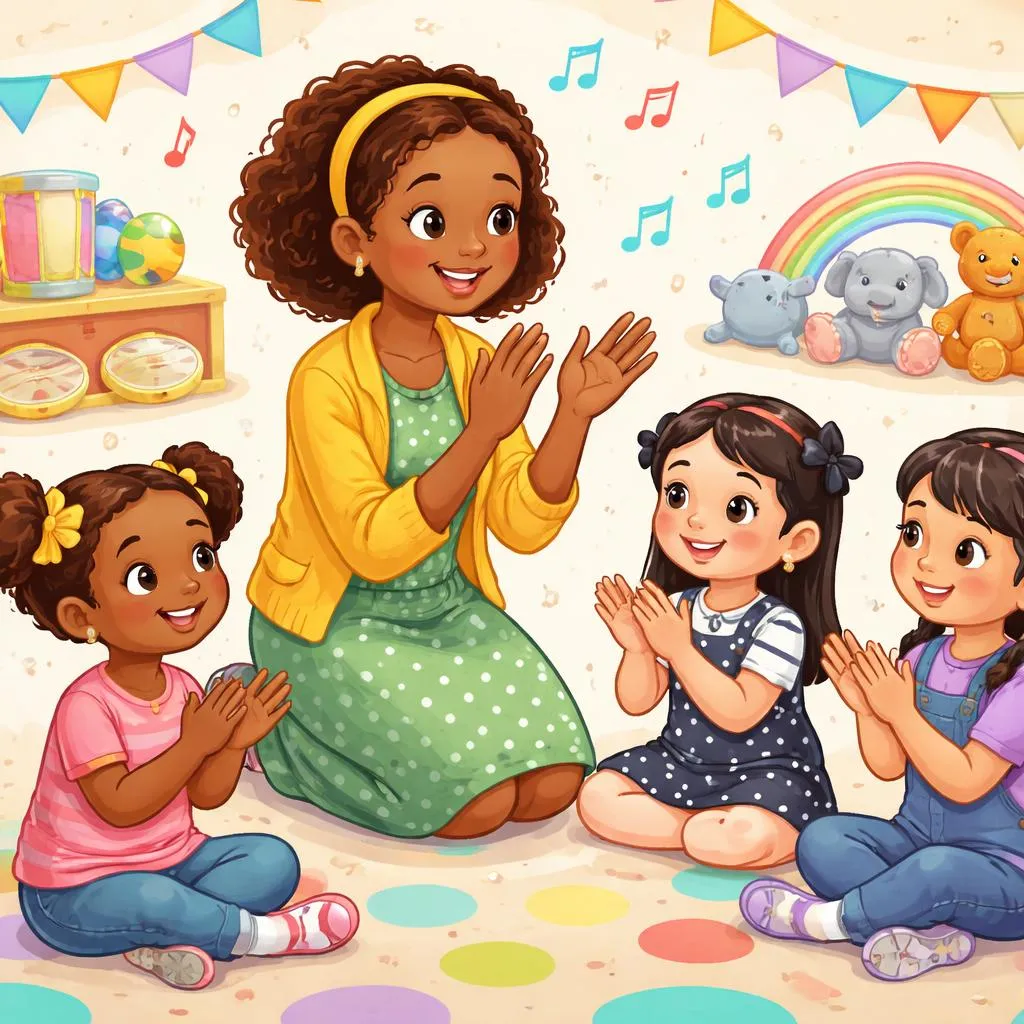
The rhyme lyrics to miss mary mack song “ refers to a classic English clapping song. Many playgrounds and classrooms use this song to build rhythm and language skills. The song combines spoken lines with hand clapping patterns. This mix of movement and sound creates strong memory and engagement.
Miss Mary Mack comes from oral tradition. Children have shared it for many generations. Each verse tells a playful story with rhythm and rhyme.
The Lyrics of Miss Mary Mack Song
Here is a well-known version of the lyrics. Different regions use small variations, but the rhythm stays similar.
Miss Mary Mack, Mack, Mack, All dressed in black, black, black, With silver buttons, buttons, buttons, All down her back, back, back.
She asked her mother, mother, mother, For fifty cents, cents, cents, To see the elephants, elephants, elephants, Jump over the fence, fence, fence.
They jumped so high, high, high, They touched the sky, sky, sky, And they did not come back, back, back, Till the Fourth of July, ly, ly.
These lines repeat sounds and rhythms. That repetition makes the rhyme easy to memorize.
Vocabulary Learning with Lyrics to Miss Mary Mack Song “
This rhyme introduces many vivid words. The word “black” names a color. The word “silver” names a metal and a color. The word “buttons” names clothing details. The word “elephants” names animals. The word “fence” names a barrier. The phrase “Fourth of July” names a holiday.
Each word connects with real-life objects and events. Pictures and gestures can support understanding.
Meaning and Story Explanation
The rhyme tells a short story about Miss Mary Mack. She wears black clothes with silver buttons. She asks for money to see elephants. The elephants jump high and touch the sky.
The story feels playful and imaginative. It uses exaggeration and rhythm to create fun imagery. This style helps develop storytelling awareness.
Phonics Points in Miss Mary Mack
Phonics patterns appear throughout the song. The sound /m/ appears in “Miss,” “Mary,” and “Mack.” The sound /b/ appears in “black” and “buttons.” The sound /f/ appears in “fence” and “fifty.” The long vowel sound /ai/ appears in “July” and “sky.”
Repeating these sounds improves pronunciation and phonemic awareness. Clapping on syllables supports rhythm and segmentation skills.
Grammar Patterns in Lyrics to Miss Mary Mack Song “
This rhyme shows simple sentence structures. The sentence “She asked her mother” shows subject and past tense verb. The phrase “To see the elephants” shows purpose with “to.” The phrase “Till the Fourth of July” shows time expressions.
These patterns appear in early reading materials and conversations. Hearing them in rhythm supports natural grammar acquisition.
Daily Life Connections
Clothes, animals, money, and holidays appear in the rhyme. Black clothes and silver buttons connect with fashion. Elephants connect with zoos and wildlife topics. The Fourth of July connects with cultural celebrations.
Real-life connections make vocabulary meaningful and memorable.
Printable Flashcards for Miss Mary Mack
Flashcards can show key words and pictures. Cards can include Mary, black, silver, buttons, elephants, fence, and July.
One side can show a picture. The other side can show the word and a simple sentence. This approach supports recognition and speaking practice.
Learning Activities Based on the Rhyme
Clapping patterns form the core activity. Hands clap with a partner to match the rhythm.
Drawing activities can include Miss Mary Mack and elephants. Story retelling activities can describe what happens in the rhyme.
Acting out elephants jumping over a fence adds movement and fun.
Educational Games for Lyrics to Miss Mary Mack Song “
A clapping circle game can rotate partners. Each pair claps and sings one verse.
A memory game can match vocabulary cards. A sequencing game can arrange lyric lines in order.
Games reinforce rhythm, memory, and vocabulary.
Classroom Lesson Structure with Miss Mary Mack
A lesson can begin with listening to the song. Next, introduce key words with images. Then practice clapping rhythm slowly. Finally, sing and clap together.
This structure supports listening, speaking, and motor coordination.
Using Rhythm and Movement in Language Learning
Rhythm helps internalize language patterns. Movement supports kinesthetic learning. Clapping creates a physical connection with words and sounds.
This combination improves retention and engagement.
Printable Materials for Teachers and Parents
Worksheets can include tracing words like black and elephant. Fill-in-the-blank sentences can practice simple grammar. Coloring pages can show elephants and Miss Mary Mack.
Printable lyric sheets support reading practice.
Story Extensions with Miss Mary Mack
A short story can expand Miss Mary Mack’s adventure. The story can describe visiting a circus or zoo. Elephants can perform tricks and jump over fences.
Stories provide context and repeated language exposure.
Cross-Curricular Connections
Music lessons can explore rhythm and tempo. Art lessons can design outfits with silver buttons. Social studies lessons can explain holidays like the Fourth of July.
Integrating subjects deepens understanding and interest.
Technology Integration for Miss Mary Mack Learning
Animated videos can show clapping patterns. Interactive apps can practice rhythm and vocabulary. Digital flashcards can appear on tablets and smartboards.
Technology adds visual and interactive reinforcement.
Encouraging Creative Language Use
New verses can describe other characters and colors. For example, “Miss Johnny Jack all dressed in blue.”
Creating new lines encourages sentence building and creativity.
Family Learning at Home
Family members can clap and sing together. Home routines can include rhythm games during playtime.
Sharing the rhyme across generations builds connection and language exposure.
Cultural Background of Miss Mary Mack
Miss Mary Mack has roots in African American oral tradition. Clapping games often passed through playground culture.
Understanding cultural background adds depth to language learning. It also highlights the role of music in community and storytelling.
Language Skills Developed Through Miss Mary Mack
Listening skills improve through repeated singing. Speaking skills improve through chanting and singing. Reading skills develop when lyrics appear in print. Writing skills develop through labeling and short sentences.
This rhyme supports balanced language development.
Phonemic Awareness and Early Literacy
Rhyming words like black and back support rhyme recognition. Repetition of syllables builds phonemic segmentation skills. Clapping on syllables strengthens phonological awareness.
These skills support early reading development.
Building Confidence Through Clapping Games
Clapping games encourage social interaction. Rhythm and repetition reduce anxiety in speaking. Short verses create quick success and motivation.
Confidence grows with practice and group participation.
Adapting Miss Mary Mack for Different Levels
Beginners can focus on clapping and key words. Intermediate learners can analyze grammar and vocabulary. Advanced learners can write new verses and stories.
The rhyme adapts easily to multiple proficiency levels.
Structured Classroom Activities
A rhythm corner can include clapping charts and lyric posters. Group performances can showcase the rhyme. Peer teaching can pair students to practice clapping patterns.
These activities build collaboration and communication.
Using Miss Mary Mack in Real Communication
Words from the rhyme appear in daily conversations. Clothes, animals, money, and holidays are common topics.
Sentences like “The elephant is big” or “My shirt is black” connect rhyme language to real communication.
Long-Term Benefits of Learning with Miss Mary Mack
Early exposure to rhythm supports language and cognitive development. Clapping improves coordination and attention. Repetition strengthens memory and pronunciation.
The phrase lyrics to miss mary mack song “ opens a playful path to English rhythm, vocabulary, and storytelling. Clapping, singing, drawing, and storytelling transform a traditional playground rhyme into a rich and joyful language learning experience.