
What Is the Rhyme “miss mary mack”?
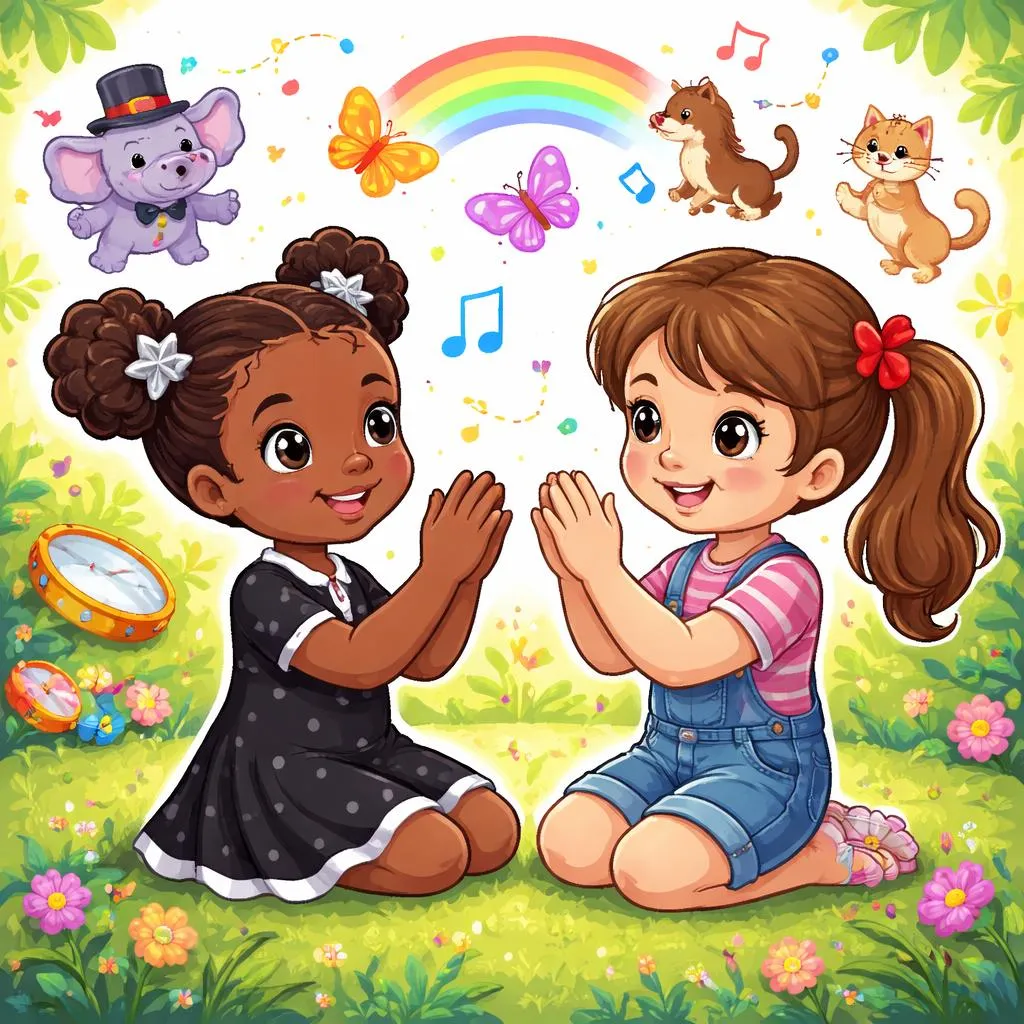
“Miss Mary Mack” is a classic clapping rhyme popular in children’s games. It combines music, rhythm, and movement in a playful way. The song uses repetition and rhyme to strengthen memory and listening skills.
The rhyme often appears in playgrounds, classrooms, and home activities. It encourages coordination, timing, and early literacy. Clapping games like this support attention and social interaction.
The Lyrics of “miss mary mack song lyrics”
The traditional lyrics of the song are:
Miss Mary Mack, Mack, Mack All dressed in black, black, black With silver buttons, buttons, buttons All down her back, back, back
She asked her mother, mother, mother For fifty cents, cents, cents To see the elephants, elephants, elephants Jump over the fence, fence, fence
Clapping games often repeat these lines with synchronized hand movements. Repetition helps build fluency, rhythm, and pronunciation.
Vocabulary Learning in “miss mary mack song lyrics”
The rhyme introduces several key vocabulary words:
Miss – a title for a young girl Mary – a common name Mack – part of the rhyme structure, often used for rhyme practice Dressed – wearing clothes Black – a color Silver – a metallic color Buttons – objects on clothing Mother – parent Fifty – number Cents – money Elephants – large animals Jump – action Fence – barrier
These words connect with visual and physical activities. Children learn to recognize words while performing actions.
Phonics Points in the Rhyme
The song emphasizes several phonics patterns:
Repetition of consonants like /m/ in “Miss Mary Mack” Final /k/ sound in “Mack” and “back” /æ/ short vowel sound in “back” and “black” Syllable segmentation in “buttons” and “elephants” Clapping along supports rhythm and sound awareness
Practicing these patterns strengthens early reading skills and speech clarity.
Grammar Patterns in “miss mary mack song lyrics”
Simple sentences in the rhyme support basic grammar:
“She asked her mother” – introduces past tense verbs “To see the elephants jump over the fence” – shows infinitive use and action sequence “All dressed in black” – demonstrates descriptive phrases
Using the rhyme helps children understand word order, verbs, and descriptive language naturally.
Clapping and Movement Activities
“Miss Mary Mack” is often paired with clapping games. Clapping can match syllables, reinforcing rhythm awareness. Children can clap hands together or with a partner.
Movements can include stepping, jumping, or tapping. These activities strengthen motor coordination and timing. They also make learning more engaging and memorable.
Daily Life Examples Using Vocabulary from the Rhyme
The rhyme’s vocabulary appears in daily contexts:
Colors – describing clothing or objects (“The shirt is black.”) Numbers and money – counting coins or small amounts Animals – talking about elephants or other zoo animals Actions – jumping, asking, or dressing
Connecting rhyme words to everyday experiences strengthens comprehension and retention.
Printable Flashcards for “miss mary mack song lyrics”
Flashcards can enhance learning and recall:
One card can show Miss Mary Mack in a black dress. Another card can show silver buttons on clothing. A card can depict elephants jumping over a fence. A card can show coins to represent fifty cents.
Flashcards support matching games, memory exercises, and storytelling activities.
Learning Activities Inspired by the Rhyme
Children can create their own clapping sequences. Storytelling games can expand the rhyme into short adventures. Drawing activities can illustrate characters, clothing, and elephants.
Listening activities can involve identifying repeated words and sounds. Role-playing games can make the song interactive and fun.
Educational Games Based on the Rhyme
Memory games: Match cards with lyrics and illustrations. Rhythm games: Clap or tap to match syllables. Sound games: Identify repeated words in the rhyme. Creative games: Make up new verses while maintaining rhythm.
Games reinforce listening, speaking, and coordination skills.
Storytelling with “miss mary mack song lyrics”
The characters in the rhyme can become part of a short story. Miss Mary Mack could go on adventures to see animals. Elephants can be part of imaginative stories. The mother character can offer guidance or challenges.
Storytelling expands vocabulary and sentence structure. It also encourages imagination and narrative skills.
Integrating the Rhyme into Early Literacy
Repetition supports phonological awareness. Clapping supports rhythm and syllable recognition. Chanting aloud improves fluency and pronunciation.
Pointing to flashcards or words supports visual recognition. Acting out the rhyme helps with comprehension. Repeating lines builds confidence in speaking and listening.
Cross-Curricular Connections
Music: Rhythmic clapping develops musicality. Art: Drawing characters and elephants supports creativity. Math: Counting coins or syllables introduces numbers. Physical education: Movement games improve coordination.
These activities create an integrated learning experience.
Tips for Teaching with “miss mary mack song lyrics”
Practice the song in short daily sessions. Use clear pronunciation for each line. Incorporate visual aids, gestures, and clapping.
Encourage children to create new movements or lines. Celebrate creativity to increase motivation.
Why “miss mary mack song lyrics” Works for Early Learning
The rhyme is rhythmic and repetitive. It combines music, language, and movement. It introduces vocabulary, phonics, and grammar naturally.
Children develop listening, speaking, and memory skills. It also encourages creativity, social interaction, and confidence.
Creative Writing Prompts with the Rhyme
A prompt can describe a new adventure for Miss Mary Mack. Another prompt can create a new animal for the elephants to meet. Another prompt can invent a new rhyme following the same rhythm.
These prompts support early writing and storytelling skills.
Building Listening Skills with the Rhyme
Listening to recordings supports sound recognition. Repeating lines improves pronunciation. Clapping along strengthens timing and syllable awareness.
Listening games can involve identifying repeated words or actions. This helps develop attention, memory, and comprehension.
Extending Learning Through Songs and Performances
Singing the rhyme with actions increases engagement. Watching performances shows variations in rhythm and clapping patterns. Incorporating simple instruments builds rhythm and timing.
These experiences make language learning interactive, joyful, and memorable.
The “Miss Mary Mack Song Lyrics” combines rhythm, repetition, and playful movement. It builds vocabulary, phonics, literacy, and confidence in a fun and engaging way. Children explore sounds, words, and actions while developing creativity and early English skills.