
What Are the Months of the Year?
The keyword months of the year “ refers to the twelve parts of a calendar year. Each month has a name and a place in the calendar. Learning these names helps with dates, birthdays, and seasons.
Time words appear in daily conversations and school subjects. Understanding months builds a strong foundation for reading, writing, and speaking.
Meaning and Explanation of Months of the Year
A year has twelve months. Each month has a specific name and number of days.
The months are January, February, March, April, May, June, July, August, September, October, November, and December.
These names come from history and culture. Some names come from Roman gods and ancient calendars.
Categories and Order of the Months
Months follow a fixed order. January starts the year. December ends the year.
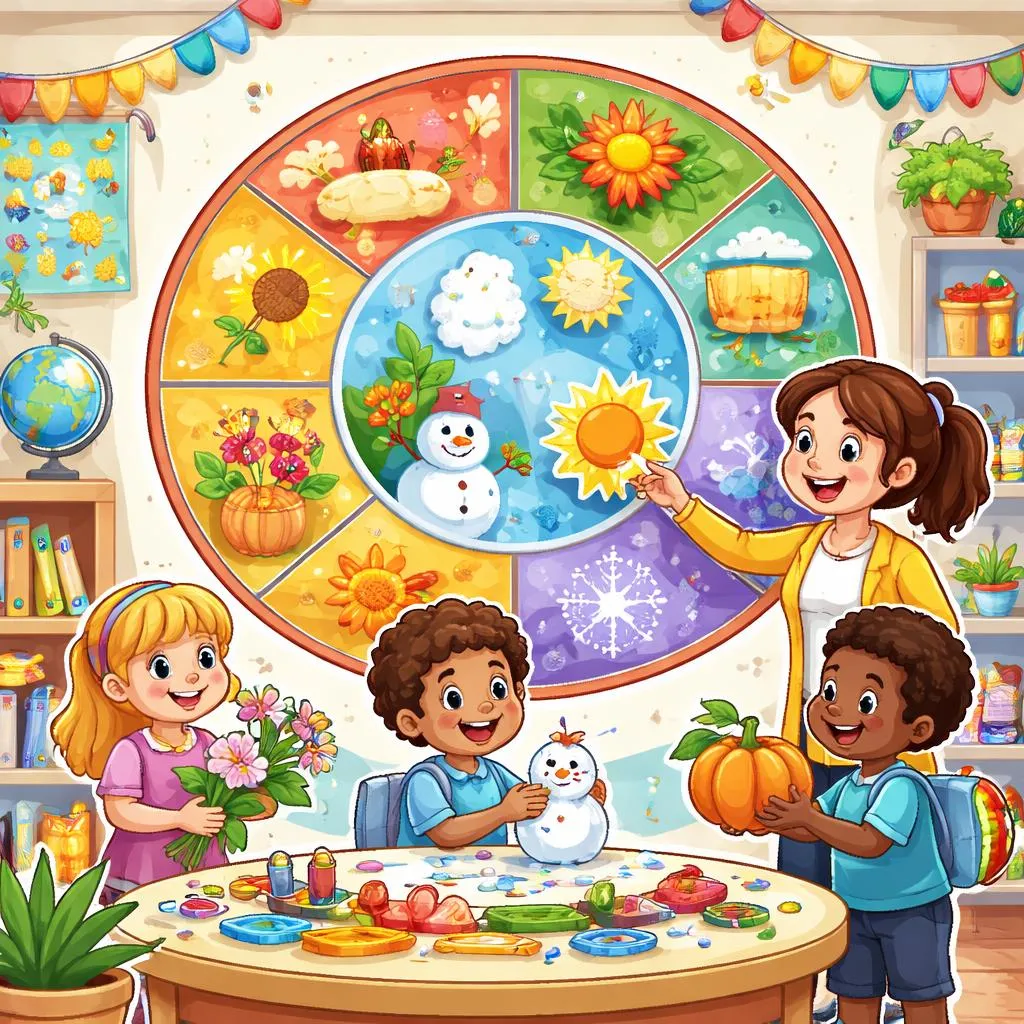
Months can group into seasons. Spring includes March, April, and May. Summer includes June, July, and August. Autumn includes September, October, and November. Winter includes December, January, and February.
This grouping helps connect language with nature and weather.
Vocabulary Learning with Months of the Year “
Month names introduce many useful vocabulary words. Words like spring, summer, autumn, and winter appear often. Words like holiday, birthday, and festival connect with months.
Teachers often pair month names with pictures of weather and events. Visual aids strengthen understanding and memory.
Phonics Points in Month Names
Month names include clear phonics patterns. January starts with the /j/ sound. February starts with the /f/ sound. March starts with the /m/ sound. April starts with the long /a/ sound. May starts with the long /a/ sound. June starts with the /j/ sound. July starts with the /j/ sound. August starts with the /aw/ sound. September starts with the /s/ sound. October starts with the /o/ sound. November starts with the /n/ sound. December starts with the /d/ sound.
Repeating these sounds supports pronunciation practice.
Grammar Patterns with Months of the Year
Month names appear with prepositions. Common patterns include “in January,” “in March,” and “in December.”
Sentences often describe events. Examples include “School starts in September.” “New Year is in January.”
These patterns appear in early reading materials and conversations.
Daily Life Examples with Months
Months connect with real-life routines. Birthdays happen in specific months. School terms start and end in certain months. Holidays appear throughout the year.
Examples include “My birthday is in May.” “Winter holidays are in December.”
Connecting months with daily life builds meaningful language use.
Printable Flashcards for Months of the Year “
Flashcards can show each month with a picture. January can show snow. July can show sunshine and beaches.
Flashcards can include the month name and a simple sentence. This supports reading and speaking practice.
Learning Activities for Months of the Year
A classroom calendar can display all months. Students can move a marker to show the current month.
A month song can help with memorization. Chanting the months in order builds rhythm and recall.
Drawing activities can show favorite months and weather scenes.
Educational Games for Months of the Year
A matching game can pair months with seasons. A memory game can match month names with pictures.
A sorting game can place months in correct order. These games reinforce sequencing and vocabulary.
Classroom Lesson Structure for Months
A lesson can begin with a month song. Next, introduce the twelve month names with a chart. Then practice pronunciation with choral reading. Finish with a worksheet or drawing activity.
This structure supports clear and organized learning.
Using Stories to Teach Months
Stories can describe a year in the life of a character. Each chapter can represent a month.
For example, a story can show spring flowers in April and snow in December. Stories provide context and repetition.
Cross-Curricular Connections
Science lessons can explain seasons and weather changes. Math lessons can count months and days. Social studies can discuss cultural festivals in different months.
Integrating subjects makes learning meaningful.
Printable Materials and Worksheets
Worksheets can include tracing month names. Fill-in-the-blank sentences can practice “in + month.” Coloring sheets can show seasonal scenes.
Printable mini-books can show each month with pictures and short sentences.
Technology Integration for Months Learning
Interactive calendars on smartboards can highlight today’s date. Apps can quiz month names and order. Animated videos can show seasonal changes across months.
Technology adds visual and interactive support.
Encouraging Creative Language Use
Creative writing can describe favorite months. Sentence frames like “I like ___ because ___” support expression.
Poems can describe weather and activities in each month. Creative tasks build confidence and language skills.
Family Learning with Months of the Year
Family calendars can highlight birthdays and events. Discussing upcoming events uses month names naturally.
Simple questions like “What month is it?” encourage speaking practice.
Cultural Background of Month Names
Many month names come from Roman history. January comes from Janus, a Roman god. March comes from Mars, the Roman god of war.
Learning origins adds cultural depth to language study.
Language Skills Developed Through Months Learning
Listening skills improve through songs and chants. Speaking skills improve through daily calendar talk. Reading skills develop through charts and worksheets. Writing skills develop through labeling and short sentences.
This topic supports balanced language development.
Phonemic Awareness and Literacy
Month names include varied sounds and syllable patterns. Clapping syllables in September or November supports phonemic awareness. This skill supports reading development.
Building Confidence with Calendar Language
Repeated practice builds familiarity. Recognizing month names supports independence in daily routines. Positive reinforcement builds motivation.
Adapting Lessons for Different Levels
Beginners can focus on recognizing and saying month names. Intermediate learners can practice sentences with months. Advanced learners can write paragraphs about seasons and events.
Flexibility allows use across age groups and proficiency levels.
Structured Classroom Activities
A wall calendar can display months and seasons. A weather chart can connect months with temperature and clothing. Group activities can assign each group a month to present.
These activities create an immersive language environment.
Using Months in Real Communication
Dates, schedules, and invitations use month names. Understanding months supports practical communication skills.
Examples include “The meeting is in October.” “School ends in June.”
Long-Term Benefits of Learning Months
Early knowledge of months supports time management and academic skills. Calendar skills connect with math, science, and social studies. Language confidence grows with familiar time vocabulary.
The topic months of the year “ opens a door to time awareness, seasonal knowledge, and everyday English communication. Songs, stories, charts, and games make month learning engaging, structured, and joyful for classrooms and homes.