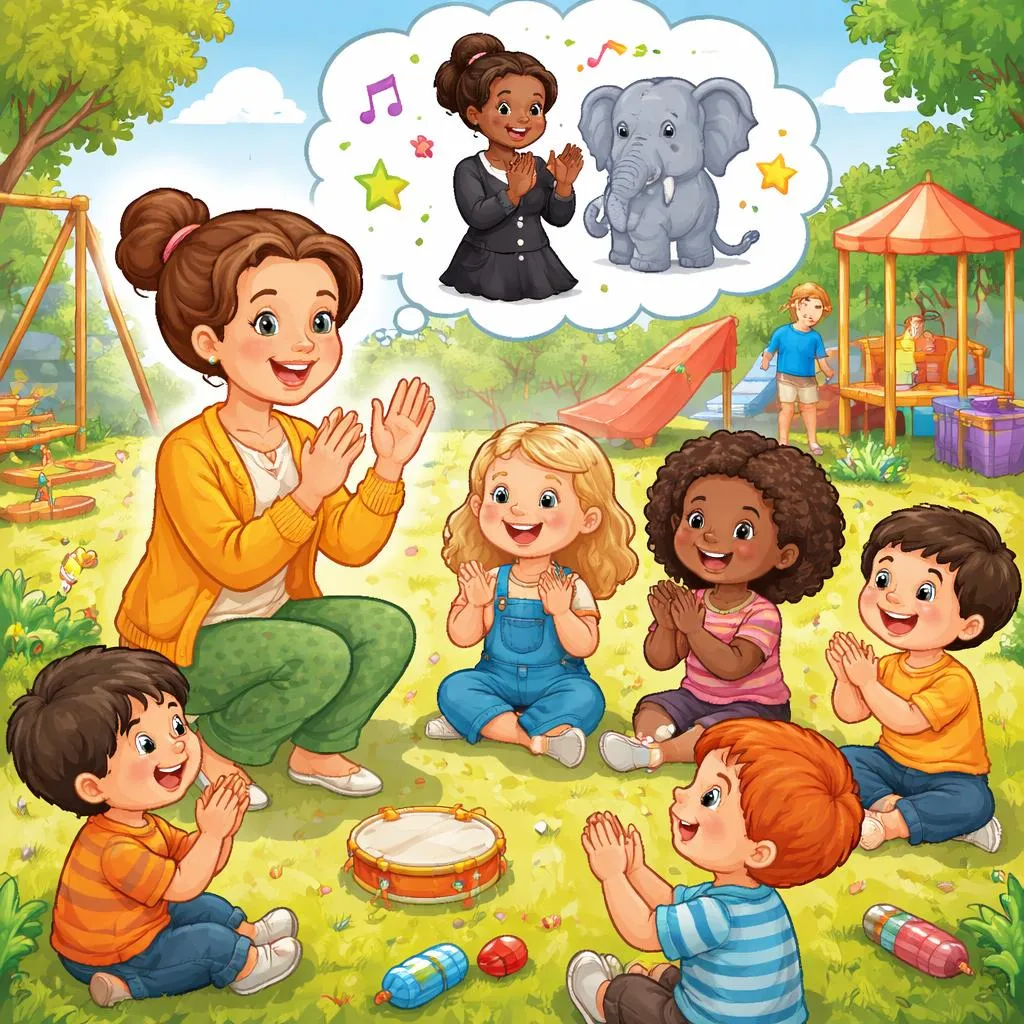

Mrs Mary Mack Lyrics as a Classic Learning Song
Songs help language grow in a natural way. Rhythm supports memory. Repetition builds confidence. One traditional rhyme often shared in classrooms and playgrounds is mrs mary mack lyrics. This song carries sound patterns, clear words, and playful rhythm. It feels simple, but it holds strong learning value.
In many lessons, songs like this support listening skills, pronunciation, and early reading. The rhyme also encourages movement and clapping. Learning feels joyful and active.
This article explores the rhyme step by step. Each section guides understanding from a teacher’s point of view. Language learning stays gentle and inviting.
What Is the Mrs Mary Mack Rhyme?
Mrs Mary Mack is a traditional playground rhyme. It often appears with clapping games. Children sing together while keeping rhythm with hands.
The rhyme tells a simple story. A girl named Mary Mack dresses in black. She asks her mother for money. The story feels playful and light.
The rhyme does not come from one known author. Many versions exist. Small word changes appear across regions. The rhythm stays steady in every version.
Because the rhyme repeats sounds and patterns, it fits early language learning very well.
The Lyrics of Mrs Mary Mack
Here is a common version of the mrs mary mack lyrics used in classrooms and playgrounds:
Mrs. Mary Mack, Mack, Mack All dressed in black, black, black With silver buttons, buttons, buttons All down her back, back, back
She asked her mother, mother, mother For fifty cents, cents, cents To see the elephants, elephants, elephants Jump over the fence, fence, fence
They jumped so high, high, high They touched the sky, sky, sky And they did not come back, back, back Till the Fourth of July, ly, ly
Some versions continue. Some stop here. The repeating words create rhythm. The echo pattern supports memory.
Understanding the Meaning of the Rhyme
The story inside the rhyme feels simple and imaginative. Mary Mack wears black clothes with shiny buttons. The image feels clear and easy to picture.
The request for money introduces polite asking. The visit to see elephants adds imagination. Elephants jumping over a fence feels funny and surprising.
The rhyme does not aim to teach a moral lesson. Instead, it focuses on sound, rhythm, and playful storytelling. This style works well for young learners.
Understanding meaning helps children connect words with images.
Vocabulary Learning Through Mrs Mary Mack Lyrics
Many useful words appear in the rhyme. These words fit early vocabulary lessons.
Words like dress, buttons, back, mother, cents, fence, and sky appear clearly. These words belong to daily life.
Repetition supports learning. Hearing the same word three times helps memory. Saying “black, black, black” or “back, back, back” reinforces sound and spelling.
Teachers often pause to explain one word at a time. Simple explanations work best.
A button is a small object on clothes. A fence is a barrier around an area. Cents are small units of money.
These explanations connect language to real life.
Phonics Points in Mrs Mary Mack Lyrics
Phonics learning shines in this rhyme. The repeated ending sounds help listening skills.
The “ack” sound appears in Mack and back. The “ent” sound appears in cents and elephants. The “igh” sound appears in high and sky.
Clapping while saying these sounds helps children hear patterns. The echo style of the rhyme also supports phonemic awareness.
Rhymes like this make sound recognition feel natural.
Grammar Patterns in the Rhyme
Simple grammar structures appear in the lyrics. Sentences stay short. Patterns repeat.
“All dressed in black” shows descriptive language. “She asked her mother” shows past tense action. “They jumped so high” shows past tense again.
Exposure to past tense verbs helps listening comprehension. No heavy explanation is needed. Hearing correct patterns builds familiarity.
Pronouns like she and they also appear. These pronouns help sentence flow.
Rhythm and Clapping in Learning
The rhythm of Mrs Mary Mack often pairs with clapping. Hand movements follow a pattern. This movement supports memory.
Physical actions help focus. Rhythm helps timing. Together, they support language processing.
Many teachers use clapping games to keep attention. The steady beat makes learning predictable and calm.
Movement also supports coordination and social learning.
Using Mrs Mary Mack Lyrics in Daily Learning
This rhyme fits many learning moments. It works during circle time, music lessons, or language warm-ups.
Singing before reading prepares the brain. The rhythm activates listening skills.
The rhyme also works as a transition activity. A short song helps move from one task to another.
Because the song feels familiar, it creates comfort.
Cultural Value of Traditional Rhymes
Traditional rhymes connect generations. Mrs Mary Mack appears in many countries and communities.
Sharing such rhymes helps preserve oral tradition. It also shows how language travels and changes.
Different versions may include small word changes. This variation helps show language flexibility.
Discussing where the rhyme appears builds curiosity.
Printable Materials for Mrs Mary Mack Lyrics
Printable materials support visual learning. A printed lyric sheet helps early reading.
Teachers often use large font and clear spacing. Highlighting repeated words supports recognition.
Illustrated worksheets may include pictures of Mary Mack, buttons, elephants, and fences.
Coloring pages also connect art with language.
Printable materials help learning continue at home.
Learning Activities With Mrs Mary Mack
Simple activities extend the rhyme into deeper learning.
Drawing scenes from the rhyme builds comprehension. Acting out the rhyme supports speaking confidence.
Sequencing pictures from the story helps logic. Matching words to pictures builds vocabulary.
Repeating the rhyme slowly helps pronunciation.
Each activity stays short and positive.
Educational Games Based on the Rhyme
Games make learning playful. A sound-matching game works well with this rhyme.
Listening for rhyming words encourages focus. Finding words that sound like Mack or back builds phonics skills.
A movement game may involve jumping when hearing “jumped so high.”
Games connect language with joy.
Supporting Parents and Teachers
This rhyme works well at home and in school. Parents can sing it during playtime. Teachers can use it as part of a lesson.
Clear rhythm makes it easy to remember. No special tools are needed.
Repeating the rhyme over days strengthens memory.
Encouraging Listening and Speaking Skills
Listening comes first in language learning. Songs support careful listening.
Speaking follows naturally. Repeating lines builds confidence.
Because the rhyme uses familiar words, speaking feels safe.
Pronunciation improves through repetition.
Building Early Literacy Through Songs
Songs support early reading skills. Recognizing repeated words helps word awareness.
Seeing lyrics while hearing them builds print awareness.
Mrs Mary Mack lyrics offer a strong bridge between listening and reading.
Creativity and Imagination in the Rhyme
The image of elephants jumping high sparks imagination. Creativity grows through playful images.
Encouraging imagination supports storytelling skills.
Children often create new verses. This creative extension supports language play.
A Gentle Path to Language Confidence
Songs like Mrs Mary Mack support confidence without pressure. Learning feels light and joyful.
Short lines and rhythm guide memory.
Through repetition, sound patterns, and playful storytelling, mrs mary mack lyrics continue to support language learning in a warm and effective way.