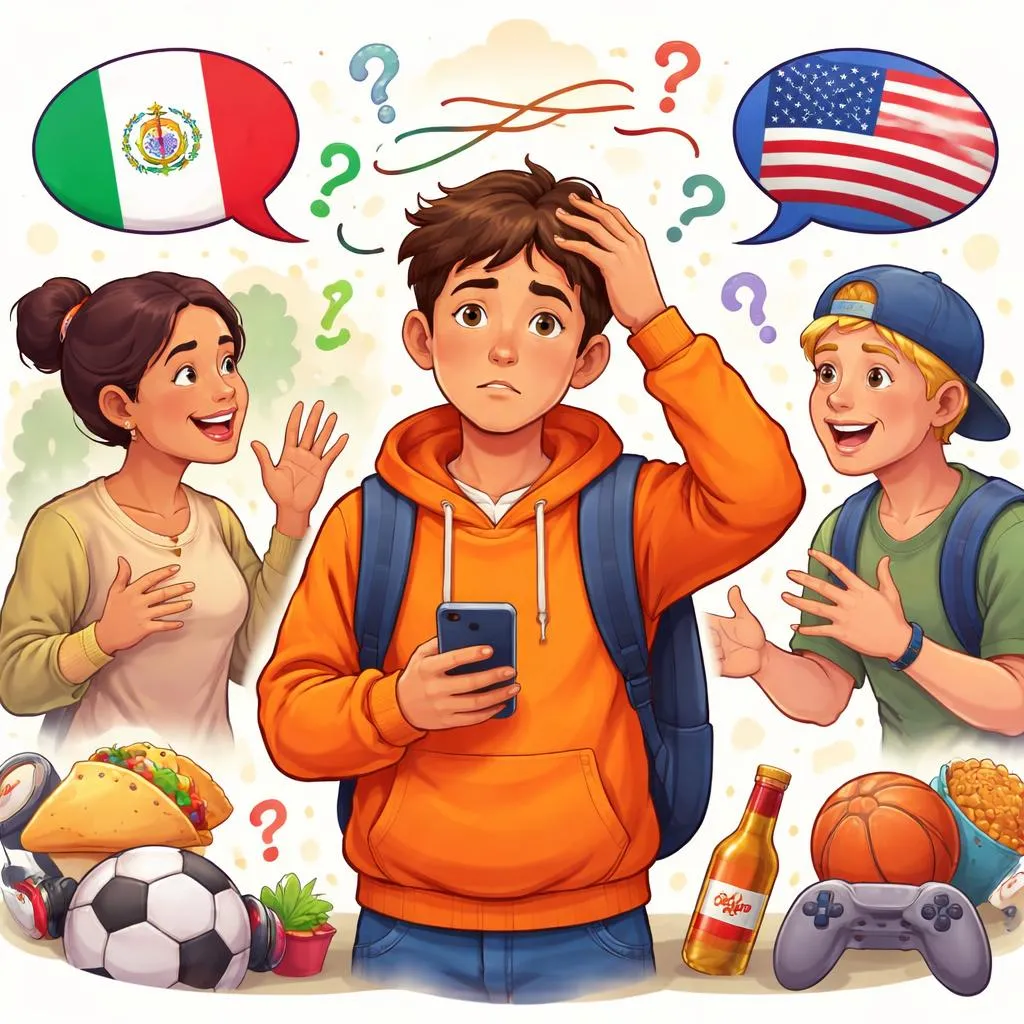

Language changes over time.
New words appear. New phrases appear.
The phrase no sabo kid is one example.
To understand no sabo kid meaning, it helps to look at how children use language.
Language grows through family. Language grows through culture.
The phrase no sabo kid comes from Spanish and English together.
It is a mixed phrase. It is a bilingual phrase.
Many children hear both languages.
In Spanish, the correct phrase is no sé.
No sé means I do not know.
Sabo is not the correct Spanish form.
It sounds like English grammar. It sounds like a mistake.
This is where the phrase begins.
No sabo kid meaning usually refers to a child who grows up hearing Spanish, but does not speak it fluently.
The child understands some Spanish. The child answers in English.
Many bilingual families recognize this situation.
Parents speak Spanish. Children reply in English.
This is very common.
No sabo kid meaning is not about intelligence.
It is not about effort. It is about language exposure.
Language depends on practice.
Children often learn the language they use the most.
School may use English. Friends may use English.
English becomes stronger.
Spanish may be heard at home.
But hearing is not the same as speaking. Speaking needs practice.
No sabo kid meaning describes this gap.
The child understands more than they speak. This is called passive understanding.
Many children understand Spanish instructions.
Sit down. Come here.
But they answer in English.
This is a normal stage in bilingual development.
It happens often. It happens naturally.
The phrase no sabo kid is often used online.
People use it in jokes. People use it in videos.
It spreads through social media.
Sometimes the phrase is used humorously.
People laugh. People relate.
Shared experience matters.
However, no sabo kid meaning can feel sensitive.
Language connects to identity. Identity matters deeply.
Some children feel embarrassed.
They want to speak Spanish. They feel shy.
Confidence affects language use.
It is important to understand context.
Sometimes the phrase is playful. Sometimes it can feel negative.
Tone matters.
No sabo kid meaning is tied to heritage language learning.
A heritage language is the language of family. It is passed through generations.
Children may not learn heritage language fully.
Life moves fast. Environment matters.
This is common worldwide.
Many families experience language shift.
One generation speaks one language. The next speaks another.
This is natural.
No sabo kid meaning reflects this shift.
It describes a pattern. Not a failure.
Children do not choose to lose a language.
They adapt to surroundings. They follow daily use.
Language follows need.
Some children mix languages.
They use English grammar with Spanish words. They create hybrid speech.
This is called code-switching.
Code-switching is normal in bilingual settings.
Adults do it too. Children copy what they hear.
No sabo kid meaning often includes this mixing.
Spanish words appear. English structure remains.
This feels familiar to many families.
Children may say words like sabo because they hear similar patterns in English.
I know becomes I knowed. No sé becomes no sabo.
Language patterns overlap.
This shows learning in progress.
Mistakes are part of growth. Language is flexible.
Many teachers understand this stage.
They see it often. They support gently.
Support matters.
Correcting harshly can reduce confidence.
Children may stop trying. Fear blocks language.
Encouragement works better.
Understanding no sabo kid meaning helps adults respond kindly.
Not with shame. But with patience.
Parents can support bilingual growth.
They can model language. They can invite conversation.
Pressure is not helpful.
Small moments matter more than long lessons.
Short chats. Daily phrases.
Consistency helps.
Children learn language through connection.
Talking while cooking. Talking during play.
Language feels natural.
No sabo kid meaning also appears in pop culture.
Memes use the phrase. Videos explain it.
This increases visibility.
When children see themselves represented, they feel understood.
Representation matters.
Some people reclaim the phrase.
They use it proudly. They share stories.
Language becomes identity.
Others may reject the phrase.
They feel labeled. They feel judged.
Both reactions are valid.
Understanding no sabo kid meaning requires empathy.
Each child’s story is different. Language journeys vary.
Some children later relearn Spanish.
As teens. As adults.
Language can return.
Early exposure helps later learning.
Sounds feel familiar. Words come back.
Nothing is wasted.
No sabo kid meaning does not mean language is gone forever.
It means language is paused. It can be reactivated.
Many adults reconnect with heritage language.
They study. They practice.
Motivation grows with identity.
Schools sometimes support heritage learners.
Bilingual programs help. Dual language classes help.
Environment matters.
Teachers may notice students who understand more than they speak.
This is common. This is expected.
Understanding this helps teaching.
Teachers adjust expectations. They encourage participation.
Children should feel safe using both languages.
Mixing is okay. Trying is okay.
Learning needs safety.
No sabo kid meaning should not be used to shame.
Language loss is not failure. It is circumstance.
Language belongs to people.
People shape language. Not the other way around.
Children deserve support, not labels.
They are learners. They are growing.
When adults understand no sabo kid meaning clearly, they can guide gently.
With patience. With care.
Language learning is not linear.
Progress moves forward and back. This is normal.
Every bilingual child has a unique path.
Some speak early. Some listen longer.
Both paths are valid.
No sabo kid meaning helps explain a shared experience.
It gives words to a feeling. It explains a pattern.
But it should always be used thoughtfully.
Words carry weight. Tone carries meaning.
At its core, no sabo kid meaning is about language contact.
Two languages meet. One becomes stronger.
This happens around the world.
In many countries. In many families.
It is human.
Language reflects life.
Life changes. Language follows.
Children grow.
Language grows with them. Sometimes slower. Sometimes faster.
Understanding no sabo kid meaning helps adults see the bigger picture.
Not just words. But people.
With time and support, children find their voice.
In one language. Or two.
Language learning continues throughout life.
No stage is final. No door is closed.
The most important part is connection.
Listening. Speaking.
Feeling understood.
When children feel accepted, language grows naturally.
Confidence opens doors.
No sabo kid meaning reminds us that language is not just grammar.
It is experience. It is identity.
And every learner’s journey matters.
No sabo kid meaning can also be explained through daily family life.
Many families speak more than one language at home. Languages mix naturally.
Children hear this mix every day.
Parents may switch languages without noticing.
One sentence starts in Spanish. It ends in English.
Children absorb patterns.
For a child, this mixed input feels normal.
There is no clear border. Languages blend together.
No sabo kid meaning reflects this blended environment.
The child grows up bilingual in sound. But not always bilingual in speaking.
This difference matters.
Understanding comes before production.
Children often understand more than they can say. This happens in all languages.
Spanish is no different.
A no sabo kid may understand jokes.
They laugh at the right time. They follow conversations.
But speaking feels harder.
Speaking requires confidence.
It requires speed. It requires risk.
Not all children feel ready.
No sabo kid meaning is closely linked to confidence.
A child may fear mistakes. They may fear being corrected.
Fear slows language use.
When children are corrected too often, they may stop trying.
Silence feels safer. English feels easier.
Adults sometimes forget this emotional side.
They focus on correctness. Children focus on safety.
Understanding both matters.
No sabo kid meaning is often misunderstood by outsiders.
Some think the child is lazy. Some think the child does not care.
These ideas are incorrect.
Language ability does not equal effort.
It equals exposure. It equals opportunity.
Environment shapes outcomes.
Many no sabo kids hear Spanish mainly from adults.
They do not hear peers speaking it. They do not practice with friends.
Practice stays limited.
Language grows through use with equals.
Playground talk. Casual chat.
Without this, fluency develops slowly.
No sabo kid meaning also appears in school settings.
At school, English dominates. Spanish stays at home.
English becomes the strong language.
Children adapt quickly to school language.
They want to belong. They want to fit in.
Language follows social need.
Using English helps children feel accepted.
Using Spanish may feel different. Difference can feel risky.
No sabo kid meaning is tied to social pressure.
Children notice reactions. They adjust behavior.
Language choice is strategic.
Some children avoid Spanish to avoid teasing.
Accents stand out. Mistakes feel visible.
Avoidance becomes protection.
Understanding this helps adults respond with empathy.
Not punishment. Not pressure.
Support works better.
No sabo kid meaning also connects to identity questions.
Who am I. Where do I belong.
Language plays a role.
Children may feel caught between cultures.
One language at home. Another outside.
Balance takes time.
Some children feel not enough in both languages.
Not Spanish enough. Not English enough.
This feeling can hurt.
Language labels can add pressure.
Even playful words carry weight. Tone matters deeply.
No sabo kid meaning should be discussed carefully with children.
Adults may joke. Children may internalize.
Awareness is important.
Many families choose to support Spanish later.
Weekend classes. Community programs.
Reconnection is possible.
Children often return to Spanish when motivation changes.
Teen years. Adult life.
Identity becomes clearer.
Early exposure helps later learning.
Sounds are familiar. Rhythm feels known.
Relearning is easier.
No sabo kid meaning does not describe a fixed state.
It describes a moment. A stage.
Stages can change.
Language development is not a straight line.
Progress moves forward. Sometimes backward.
This is normal.
Some children suddenly begin speaking Spanish later.
Confidence increases. Opportunities appear.
Language unlocks.
No sabo kid meaning also appears in many cultures.
Not just Spanish. Not just English.
Heritage language loss is global.
Children of immigrants often experience this.
One language at home. Another in society.
Patterns repeat worldwide.
Understanding this removes blame.
It shows structure. Not failure.
Perspective matters.
Educators often study heritage learners.
They recognize passive bilingualism. They adjust teaching.
Knowledge helps support.
Teachers may allow mixed language use.
Spanish words. English structure.
Participation increases.
Allowing mixing reduces fear.
Children speak more. Confidence builds.
Gradual growth follows.
No sabo kid meaning highlights the importance of encouragement.
Praise effort. Value understanding.
Speech will come.
Children need time.
They need patience. They need acceptance.
Language blooms in safety.
Families can model positive attitudes.
Celebrate bilingualism. Celebrate effort.
Children notice values.
When children feel proud of heritage, they engage more.
Motivation rises. Learning deepens.
No sabo kid meaning should open conversation.
Not shut it down. Not label permanently.
Dialogue matters.
Talking about language openly helps.
Children ask questions. Adults explain gently.
Understanding grows.
Language belongs to the child.
They own their journey. They set pace.
Respect is key.
No sabo kid meaning reminds us that language learning is human.
Messy. Emotional.
Never perfect.
Every bilingual child carries multiple worlds.
Sounds. Stories.
Language weaves them together.
Supporting bilingual children means supporting identity.
Listening. Validating.
Trust builds.
With trust, children speak more.
They try. They grow.
No sabo kid meaning is best understood with kindness.
Not judgment. Not pressure.
Kindness invites language.
When children feel accepted, language feels safe.
Safety leads to expression.
Language learning continues over years.
One phase does not define a person. Growth remains open.
No sabo kid meaning is a reminder.
Language is not just skill. It is experience. And experience is shaped by love, time, and patience.