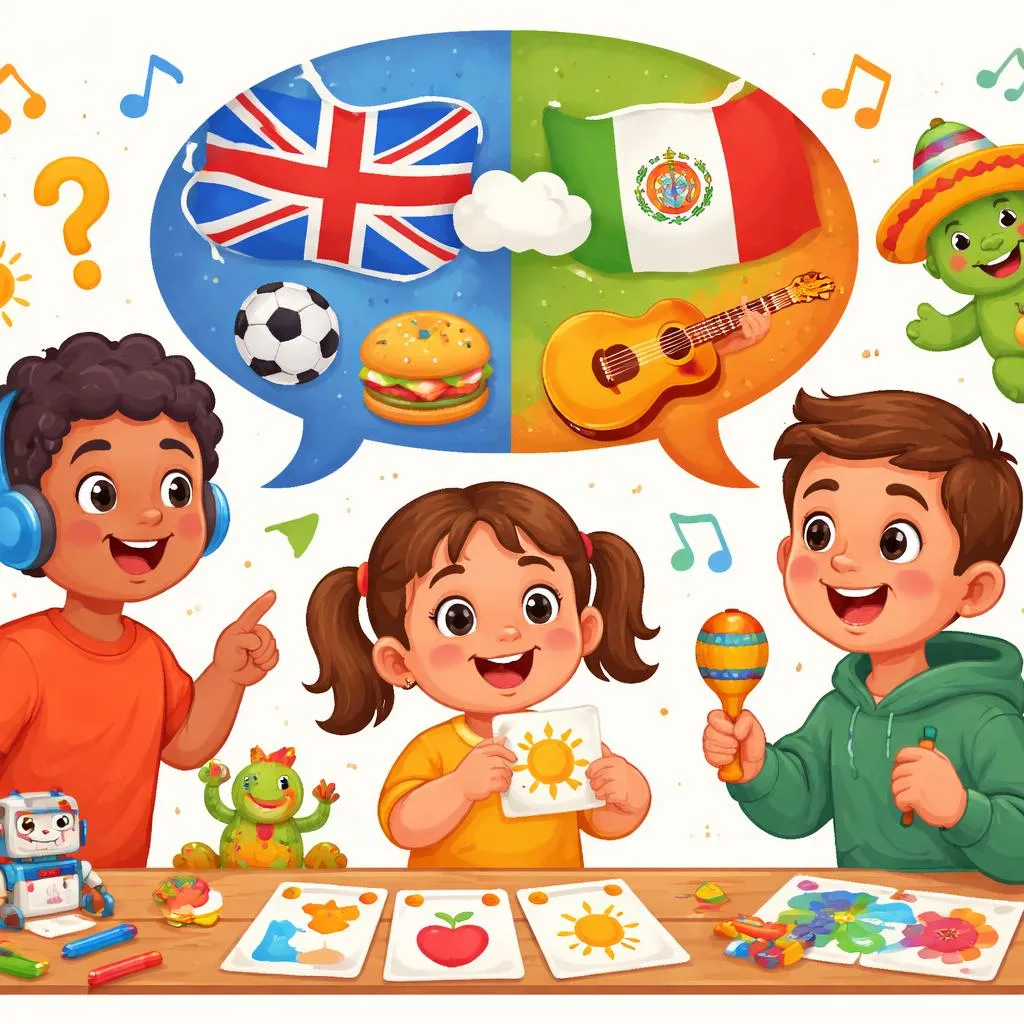

What Does "No Sabo" Mean? "No sabo" is a popular slang phrase used by some people, especially in Spanish-speaking communities. The phrase "no sabo" comes from mixing two languages: Spanish and English. In Spanish, "sabo" is an incorrect form of the verb "saber", which means "to know." The correct form is "sé," but some people mistakenly say "sabo" instead. In the context of "no sabo," it’s often used humorously or playfully to talk about someone who doesn’t know something. It’s like saying, "I don’t know," but in a fun and casual way. People may use it when they don’t know an answer or when they want to make a joke. "No sabo" has become a funny expression used in conversations, jokes, and even songs. It’s a way for people to mix Spanish and English while creating a light-hearted atmosphere. It’s also popular among younger people who enjoy playing with language and making it fun.
Why Do People Say "No Sabo"? People say "no sabo" to mix Spanish and English, often as a joke. It’s common in bilingual communities where people speak both languages. Since "no sabo" isn’t the proper way to say "I don’t know" in Spanish, it has become a funny or silly way of talking. People use it to make others laugh or to show they are not taking themselves too seriously. The phrase is especially popular among younger people or those who speak both English and Spanish. It’s often used in a playful way, showing that the speaker is not worried about making mistakes or being perfect. It's not meant to be serious, just a fun way of speaking. The use of "no sabo" also reflects how language evolves and how new expressions can form when two languages mix. In some cases, "no sabo" might be used to make fun of a situation where someone should know something but doesn’t. For example, if someone forgets an important fact, they might say, "no sabo" in a joking way to admit they don’t know the answer. This adds humor to the situation and makes it feel less awkward.
How Do People Use "No Sabo"? Here are some ways "no sabo" might be used in conversation:
When someone doesn’t know something:
Person 1: What’s the capital of France?
Person 2: Oh, I no sabo!
When someone makes a funny mistake:
Person 1: How do you say "hello" in French?
Person 2: I no sabo... maybe it's "bonjour"?
As a joke in conversation:
Person 1: Can you help me with my homework?
Person 2: I no sabo! I need help too!
As you can see, "no sabo" is often used for fun, and it's not meant to be taken seriously. It’s just a playful way of mixing languages. People use it in conversations where they don’t have the answer or want to show that they’re not worried about getting things perfect. It’s like a little joke that everyone can understand, especially if they speak both Spanish and English.
Phonics Fun with "No Sabo" Let’s have some fun with the sounds in "no sabo":
The /n/ sound in no sounds like the n in nose.
The /s/ sound in sabo sounds like the s in snake.
The /b/ sound in sabo sounds like the b in ball.
Practicing these sounds helps with pronunciation. You can try saying the phrase "no sabo" several times to get the sounds right! This will help you feel more comfortable saying "no sabo" and other similar phrases. Learning the sounds of words is an important part of language learning. By practicing these sounds, you can improve your ability to say different words and understand the way language works. It’s like a fun game where you can hear the sounds and repeat them until you get better at speaking!
Simple Sentences with "No Sabo" Vocabulary Here are some fun, simple sentences using "no sabo":
"No sabo" the answer to the question.
I no sabo how to do this math problem.
"No sabo" what time the movie starts.
I no sabo how to speak French, but I’m learning!
She said, "no sabo", when asked about the test.
These sentences help you understand how to use "no sabo" in everyday situations! They show you how you can say "no sabo" when you don’t know something or when you’re joking around with friends. Try saying these sentences out loud to practice!
Learning Activities with "No Sabo" Let’s try some fun activities to help you understand "no sabo" better!
- Guess the Word Game
One person thinks of a word in English, and the other person tries to guess it using "no sabo" if they don’t know. For example, if someone asks about a word you don’t know, you can say, "I no sabo!"
- Role Play with "No Sabo"
Pretend you’re having a conversation with a friend. Use "no sabo" in your sentences. This can help you practice both Spanish and English together!
- Create Your Own "No Sabo" Joke
Make a joke using "no sabo". For example, you can say: "I no sabo where my homework is. It disappeared!" Have fun with it!
Creating your own jokes and stories with "no sabo" will help you understand how this phrase works. You can also make up different ways to use "no sabo" in new situations, which makes learning even more fun!
Fun Games with "No Sabo" Vocabulary Here are some games that can help you remember the phrase "no sabo":
- Bingo Game
Create bingo cards with words like "no sabo," "saber," and other Spanish phrases you’re learning. As the teacher says the words, mark them off on your bingo card. The first person to get a full row wins!
- Memory Match Game
Make cards with the phrase "no sabo" and other related words in English and Spanish. Turn the cards over and try to find matching words or phrases. This will help you remember vocabulary from your lessons.
Connecting "No Sabo" to Real Life The phrase "no sabo" is often used in real-life situations, especially when learning a language or talking with friends. It connects to the real world by showing how we mix languages and create fun ways to communicate. You can hear "no sabo" used in casual conversations or funny moments. In many bilingual families, kids might say "no sabo" as a way to laugh or playfully show they don’t know something. It’s part of how language changes and evolves over time. The phrase helps make conversations more relaxed and fun, and it shows that it’s okay to make mistakes.
Classroom Practice with "No Sabo" Here are some easy practice sentences to help you use "no sabo":
I no sabo how to say that word in Spanish.
My friend no sabo the answer to the question.
We both no sabo how to solve the problem.
Using "no sabo" in different situations will help you feel more comfortable speaking and understanding Spanish and English. It’s a playful way to mix the two languages and have fun with them!
Extending Learning Beyond the Classroom You can keep learning about "no sabo" and how to use it in real life:
Watch videos where people use "no sabo" for fun. This will help you hear the phrase in different ways.
Talk to your friends and family. Ask them if they know what "no sabo" means.
Create a list of funny phrases that mix Spanish and English, just like "no sabo".