What Did You Do Before? A Kid's Fun Guide to 'Used To' for Past Habits
Think of your brain as a time machine. It can remember things you did again and again in the past. But you don't do them now. How do you tell that sto ...
Read MoreThink of your brain as a time machine. It can remember things you did again and again in the past. But you don't do them now. How do you tell that sto ...
Read More
Imagine you push a domino. The result is the next domino falls. In language, we have words that show a result. The words 'so' and 'such' are your "Res ...
Read More
Sometimes you have two ideas that don't quite match. One idea says "yes," and the other says "but." How do you connect them? You use contrast linkers. ...
Read More
Every action has a goal. You eat to stop hunger. You study to learn. But sometimes, you want to be extra clear about your goal. You use special phrase ...
Read More
Imagine you are a chef. You need to tell someone how much sugar to add. You don't always say "200 grams." Sometimes you say "a little sugar" or "a lot ...
Read More
Words are like people. Some words are best friends. They have almost the same meaning. These are synonyms. Some words are total opposites. They have o ...
Read More
Words can be like twins. Some twins look exactly alike. Some twins sound exactly alike but look different. In the word world, we call these homophones ...
Read More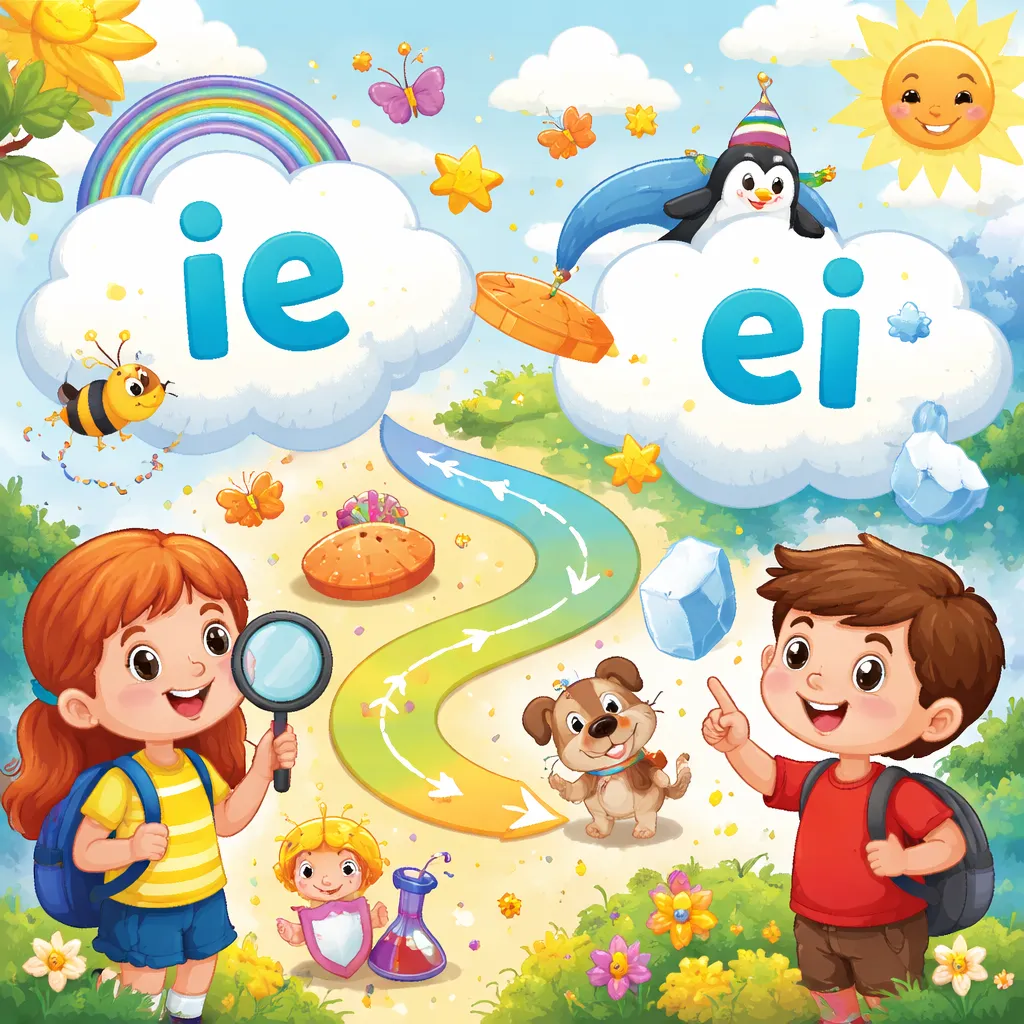
Have you ever been unsure? Is it 'recieve' or 'receive'? Is it 'thier' or 'their'? This is a common spelling puzzle. The letters 'i' and 'e' are trick ...
Read More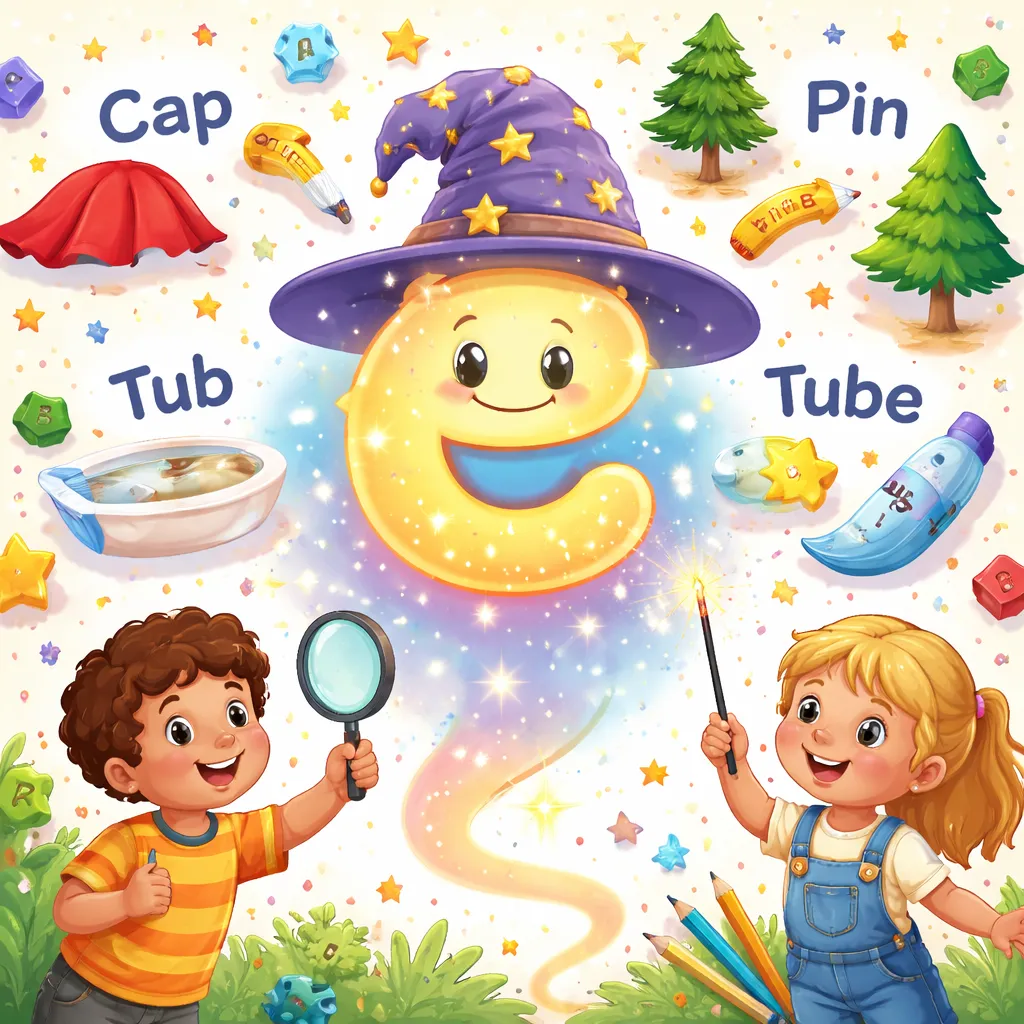
Imagine a letter that you can't hear, but it has magic power. It changes the sound of the other letters. This is the silent 'e'. It is the "Magician E ...
Read More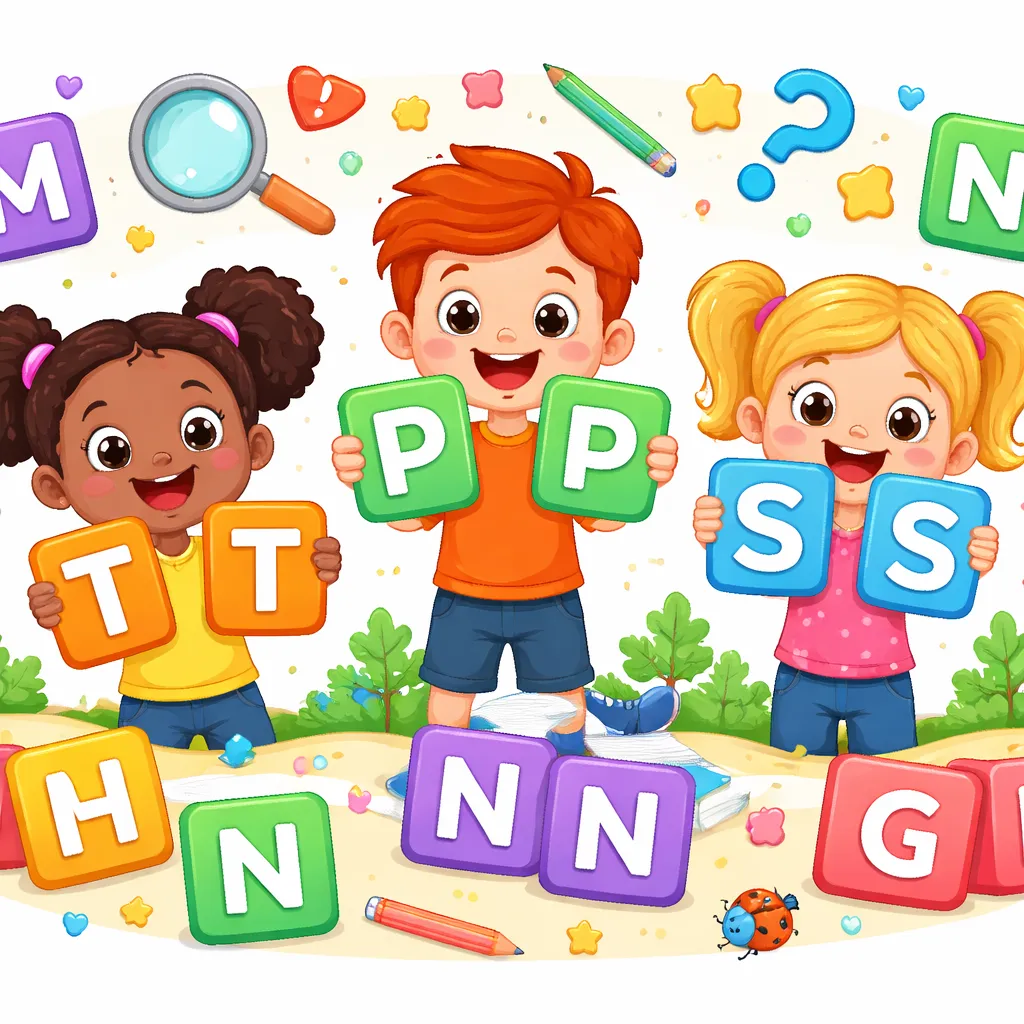
Have you ever wondered why we write 'hopping' with two p's but 'hoping' with one? It's not random. It's a rule. The doubling consonants rule is your " ...
Read More
Imagine a comic book without speech bubbles. You wouldn't know who is talking. In stories and writing, we have a tool for that. We use speech marks. T ...
Read More
Think of a sentence as a road trip. The full stop is a red light. It tells you to stop. The comma is a yellow light. It tells you to slow down and loo ...
Read More