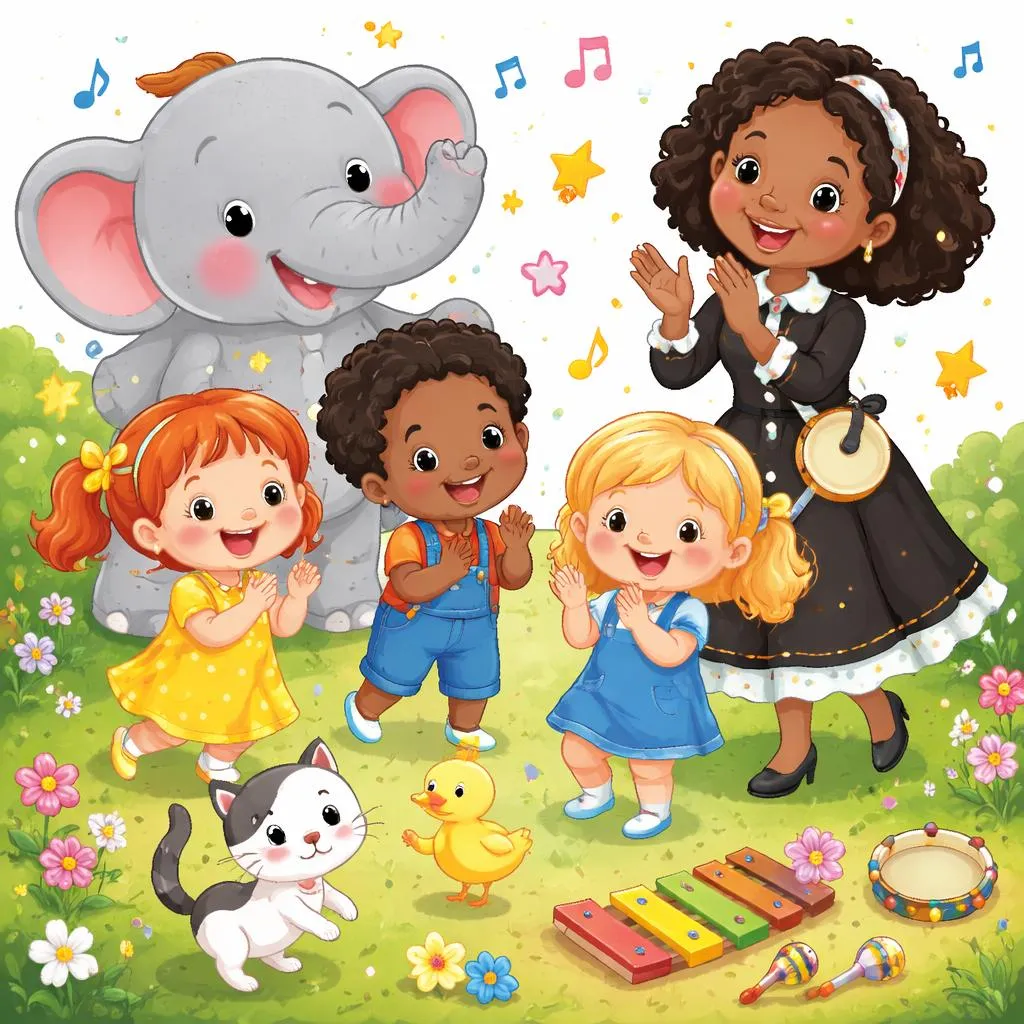

What Is “mrs mary mack mack mack lyrics”?
The rhyme mrs mary mack mack mack lyrics comes from a traditional English clapping game song. This rhyme combines rhythm, repetition, and storytelling. The song often appears in playgrounds and classrooms.
This rhyme supports listening skills, speaking skills, and coordination. The repetitive structure helps memory. The playful story sparks imagination and curiosity.
The Rhyme and Its Background
“Mrs. Mary Mack” belongs to a long tradition of hand-clapping rhymes. These rhymes traveled through generations by oral tradition. Children shared them in schoolyards and neighborhoods.
The rhythm and rhyme patterns make the song easy to remember. The lyrics use simple vocabulary and clear sentence patterns. These features make it ideal for early English learners.
mrs mary mack mack mack lyrics
Mrs. Mary Mack, Mack, Mack All dressed in black, black, black With silver buttons, buttons, buttons All down her back, back, back
She asked her mother, mother, mother For fifty cents, cents, cents To see the elephants, elephants, elephants Jump over the fence, fence, fence
They jumped so high, high, high They reached the sky, sky, sky And they didn’t come back, back, back Till the Fourth of July, ly, ly
These lyrics show repetition and rhythm. Each line repeats key sounds and words. This structure supports phonics and pronunciation practice.
Vocabulary Learning from mrs mary mack mack mack lyrics
This rhyme introduces basic vocabulary in a playful way. Words like dressed, buttons, mother, elephants, and fence appear in clear context.
Colors and clothing words appear in the first verse. Family vocabulary appears in the second verse. Animal and action vocabulary appear in the later verses.
Short sentences and repeated patterns help learners remember new words. Context clues support meaning without translation.
Phonics Points in mrs mary mack mack mack lyrics
The rhyme features strong sound patterns. The /m/ sound appears in Mary and Mack. The /b/ sound appears in buttons and back.
Rhyming words appear at the end of lines. Black, back, and Mack create clear rhyme patterns. Sky and July share similar vowel sounds.
Clapping with syllables supports phonemic awareness. For example, Ma-ry, but-tons, el-e-phant. This rhythm helps connect sound and meaning.
Grammar Patterns in the Rhyme
The rhyme uses simple past tense and simple present tense. “She asked her mother” shows past tense. “They jumped so high” shows past tense actions.
Prepositions appear in “down her back” and “over the fence.” These phrases show spatial relationships.
Numbers and money appear in “fifty cents.” Dates appear in “Fourth of July.”
These patterns provide natural grammar exposure.
What Makes This Rhyme Effective for Learning
Repetition plays a central role in this rhyme. Repeated words reinforce vocabulary and structure. Rhythm supports memory and pronunciation.
The story element adds meaning. A character, actions, and a playful event appear. This narrative structure builds comprehension skills.
Movement and clapping integrate physical learning. This multisensory approach strengthens memory and engagement.
Learning Activities with mrs mary mack mack mack lyrics
Clapping games support rhythm and coordination. Partners clap hands following the beat of the song. This activity improves timing and listening skills.
Role-play activities can act out the story. One learner plays Mary. Others act as elephants. Movement supports comprehension.
Drawing activities can illustrate scenes from the rhyme. This integrates art and language learning.
Printable Materials for Classroom and Home
Printable lyric sheets support reading practice. Large font and spacing help early readers.
Flashcards can include key words like mother, elephant, fence, and buttons. Picture cards help connect words with meaning.
Simple worksheets can include fill-in-the-blank sentences. Tracing activities support handwriting and spelling.
Educational Games Based on the Rhyme
Memory games can match words with pictures. Sequencing games can order the story events. Listening games can identify rhyming words.
Board games can include lyric-based prompts. Dice games can prompt speaking with target vocabulary.
Digital games and apps can animate the rhyme. Interactive quizzes can check comprehension.
Integrating the Rhyme into Language Lessons
The rhyme fits listening, speaking, reading, and writing lessons. Listening activities include identifying key words and rhymes. Speaking activities include singing and retelling the story.
Reading activities include lyric reading and sentence matching. Writing activities include short sentences about Mary and the elephants.
This integration supports balanced language development.
Cross-Curricular Connections
Music connects through rhythm and melody. Physical education connects through clapping and movement. Art connects through drawing and coloring scenes.
Math connects through counting beats and “fifty cents.” Social studies connects through traditions and cultural songs.
These connections create rich learning experiences.
Teaching Tips for Parents and Teachers
Model clear pronunciation and rhythm. Repeat lines slowly before singing at full speed.
Use gestures to show meaning. Point to back, fence, and sky while singing.
Encourage echo reading. One line spoken by the teacher, repeated by learners.
Use visuals like posters and puppets. Visuals support comprehension and engagement.
Assessment and Progress Tracking
Listening assessments can identify key words and rhymes. Speaking assessments can check pronunciation and fluency. Reading assessments can check lyric recognition and sight words.
Writing assessments can include simple sentences based on the rhyme. Creative projects can show comprehension and expression.
Tracking progress helps guide instruction and support learners.
Cultural and Social Value of the Rhyme
“Mrs. Mary Mack” represents oral tradition and playground culture. Clapping rhymes encourage social interaction and teamwork. Sharing songs builds community and communication skills.
These rhymes connect generations. They show how language and culture travel through time.
Using Technology with the Rhyme
Animated videos and karaoke tracks support listening practice. Interactive whiteboards can display lyrics and images. Apps can provide rhythm games and pronunciation practice.
Recording tools can allow learners to record performances. Playback supports self-assessment and improvement.
Extending Learning Beyond the Song
Story extension activities can create new verses. New characters and actions can be added. Creative writing builds language skills and imagination.
Research activities can explore the history of clapping games. Interview activities can ask family members about childhood songs.
Projects can create a classroom songbook of traditional rhymes.
Building Confidence Through Performance
Performing the rhyme builds confidence and communication skills. Group performances reduce anxiety and increase participation. Classroom showcases and family sharing events celebrate learning.
Positive feedback encourages continued practice and engagement.
“Mrs Mary Mack” provides rhythm, repetition, and storytelling. These elements support early English learning in natural and joyful ways. Songs, movement, and language combine to create meaningful learning experiences that grow with every repetition.