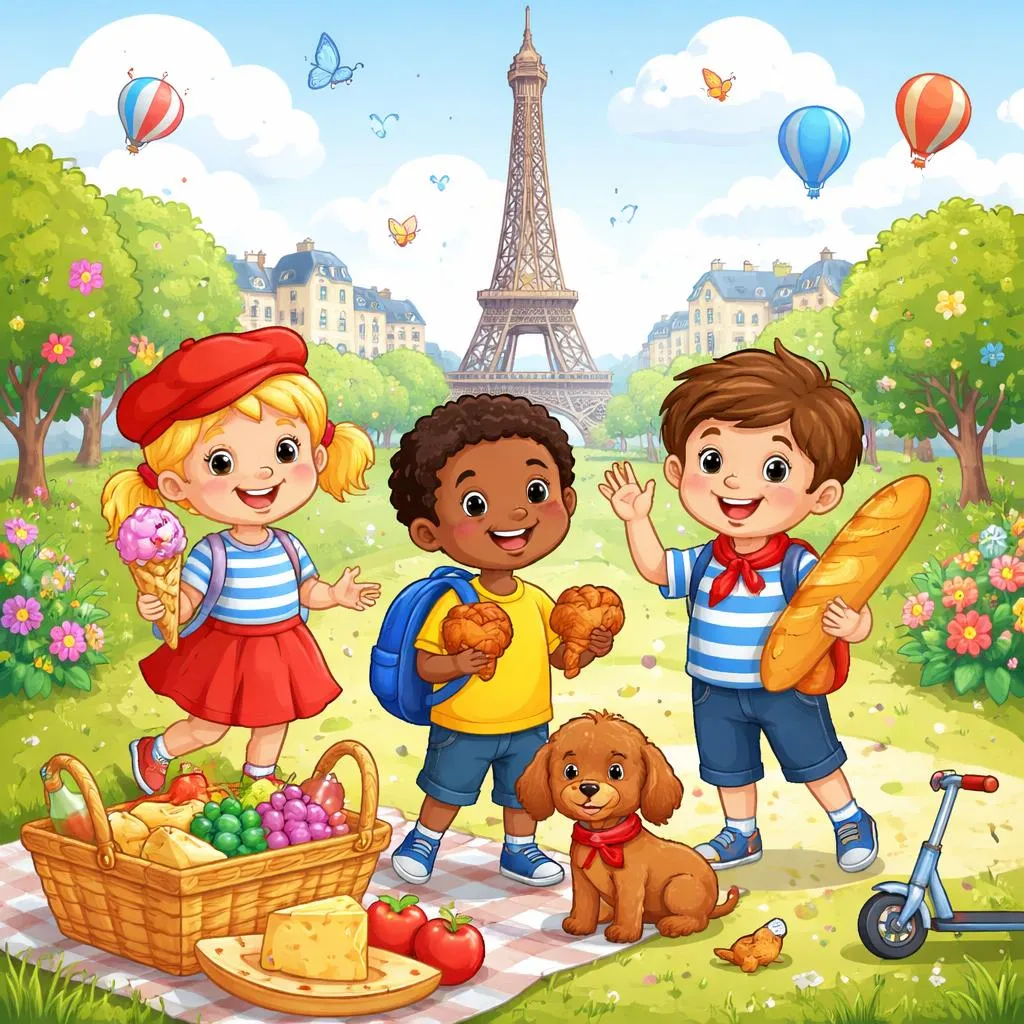

What Are French Sayings French sayings are short phrases. People use them every day. They help communication feel polite and friendly.
Simple sayings come first in learning.
Why Children Learn French Sayings Children hear French in songs and stories. Short phrases are easy to remember. They are useful right away.
Useful language builds confidence.
Hello in French In French, people say bonjour. Bonjour means hello. It is used during the day.
Bonjour sounds friendly.
Hi in French Salut is another greeting. Salut means hi. Friends use it often.
Salut feels casual.
Goodbye in French Au revoir means goodbye. People say it when leaving. It sounds polite.
Goodbyes matter.
See You Later in French À bientôt means see you soon. It shows friendliness. It sounds warm.
Friendly words build connection.
Please in French In French, people say s’il vous plaît. It means please. It shows good manners.
Polite words matter.
Thank You in French Merci means thank you. It is short. It is very common.
Children learn merci early.
You Are Welcome in French De rien means you are welcome. People say it after merci. It sounds kind.
Kind responses matter.
Yes in French Oui means yes. It is short. It is easy to say.
Yes words appear often.
No in French Non means no. It sounds like non in English. Children remember it easily.
Similar sounds help memory.
Excuse Me in French Excusez-moi means excuse me. People use it politely. It helps get attention.
Politeness builds respect.
Sorry in French Désolé means sorry. It is used after mistakes. It shows care.
Apologies matter.
How Are You in French Comment ça va means how are you. It is a common question. People ask it often.
Questions start conversations.
I Am Fine in French Ça va bien means I am fine. It is a common answer. Short answers feel safe.
Conversation feels easy.
Good Morning in French Bonjour also means good morning. People use it early in the day. Time words matter.
Routine language repeats.
Good Evening in French Bonsoir means good evening. People say it at night. It sounds calm.
Evening words feel gentle.
Good Night in French Bonne nuit means good night. People say it before sleep. It feels caring.
Comfort words matter.
Yes Please in French Oui, s’il vous plaît means yes please. It sounds polite. Children hear it often.
Manners feel natural.
No Thank You in French Non, merci means no thank you. It sounds polite. It is useful.
Clear answers help communication.
I Understand in French Je comprends means I understand. It shows listening. It shows attention.
Listening words matter.
I Do Not Understand in French Je ne comprends pas means I do not understand. It is helpful. Children use it when learning.
Honest language helps learning.
I Like It in French J’aime ça means I like it. It shows feelings. Feelings words are important.
Expression builds confidence.
I Do Not Like It in French Je n’aime pas ça means I do not like it. It shows preference. Children learn choice words.
Choices matter.
Help Me in French Aide-moi means help me. It is short. It is important.
Help words keep children safe.
Where Is It in French Où est-ce means where is it. Questions help understanding. Curiosity grows.
Asking matters.
Look in French Regarde means look. Teachers use it often. It guides attention.
Classroom language feels useful.
Listen in French Écoute means listen. It is used in class. Listening supports learning.
Attention matters.
Come Here in French Viens ici means come here. It is clear. It guides movement.
Action words feel strong.
Let’s Go in French Allons-y means let’s go. It sounds energetic. Children enjoy saying it.
Movement supports memory.
Wait in French Attends means wait. It helps with rules. Clear words guide behavior.
Rules feel safe.
French Sayings in Daily Life Children hear these phrases often. They hear them at school. They hear them in songs.
Daily exposure helps memory.
French Sayings in Songs Songs repeat simple phrases. Music supports pronunciation. Learning feels fun.
Songs reduce pressure.
French Sayings in Stories Stories include greetings and replies. Characters speak naturally. Meaning becomes clear.
Stories support understanding.
French Sayings and Listening Practice Children listen first. They notice sounds. Meaning comes slowly.
Listening comes before speaking.
French Sayings and Speaking Practice Children repeat phrases. They speak slowly. Practice builds confidence.
Trying matters most.
French Sayings and Reading Practice Books show simple phrases. Children recognize them. Recognition feels good.
Reading builds fluency.
French Sayings and Writing Practice Writing comes later. Children copy short phrases. Short writing feels safe.
Practice stays gentle.
French Sayings Review Simple French sayings are useful. They are polite. They are used every day.
Children remember them easily.
Simple French Sayings for Children Short phrases build strong language. Useful words come first. Confidence grows step by step.
Learning stays calm. Progress feels steady. Curiosity continues.
French Sayings for Everyday Politeness Polite words are important. French uses many polite phrases. Children hear them often.
Politeness builds kindness.
Please Again in French S’il te plaît is also used. It means please. Friends use it with friends.
Different forms feel natural.
Thank You Very Much in French Merci beaucoup means thank you very much. It shows strong thanks. Children hear it in daily talk.
Strong thanks feel warm.
Excuse Me Again in French Pardon is another phrase. It means excuse me. It is short and common.
Short words are easy.
Sorry Again in French Je suis désolé means I am sorry. It is polite. It shows care.
Care matters in language.
French Sayings for Greetings Greetings start conversations. French has many greeting words. Children learn them early.
Greetings feel friendly.
Nice to Meet You in French Enchanté means nice to meet you. It is used when meeting someone new. It sounds gentle.
Meeting words matter.
How Is It Going in French Ça va means how is it going. It is short. It is very common.
Short questions feel easy.
It Is Going Well in French Ça va bien means it is going well. Children hear it often. It is a common answer.
Conversation feels smooth.
French Sayings for Feelings Feelings words help expression. French uses simple phrases. Children connect easily.
Feelings matter.
I Am Happy in French Je suis content means I am happy. Girls may say contente. Feelings feel real.
Emotion words stay longer.
I Am Tired in French Je suis fatigué means I am tired. Children say it after play. Daily talk feels real.
Real language matters.
French Sayings for Needs Needs words help communication. Children ask for help. French phrases support this.
Clear needs matter.
I Need Help in French J’ai besoin d’aide means I need help. It is useful. It keeps children safe.
Safety language matters.
French Sayings for Classroom Use Teachers use simple phrases. Children hear them daily. Repetition builds memory.
Classroom language sticks.
Open the Book in French Ouvre le livre means open the book. It guides action. Instructions feel clear.
Clear language supports learning.
Close the Door in French Ferme la porte means close the door. It is short. It is direct.
Commands feel simple.
French Sayings for Listening Listening words guide attention. Children hear them often. They help focus.
Focus matters.
Listen Carefully in French Écoute bien means listen carefully. Teachers say it often. Children respond quickly.
Listening supports learning.
French Sayings for Movement Movement words feel active. Children like action. French phrases support play.
Action supports memory.
Come Here Again in French Viens ici means come here. It is used daily. Children understand quickly.
Movement feels clear.
Sit Down in French Assieds-toi means sit down. It is used in class. Rules feel gentle.
Gentle guidance matters.
French Sayings for Play Play language is important. Children talk while playing. French phrases appear naturally.
Play supports learning.
Let’s Play in French Jouons means let’s play. It sounds fun. Children enjoy saying it.
Joy supports memory.
Your Turn in French À toi means your turn. It helps sharing. Sharing builds social skills.
Turn-taking matters.
French Sayings for Sharing Sharing words reduce conflict. Children learn them early. Language supports kindness.
Kind words matter.
Can I Have It in French Je peux l’avoir means can I have it. It is polite. It helps sharing.
Polite requests feel safe.
French Sayings for Time Time words guide routines. Children use them daily. French phrases support structure.
Routine supports learning.
Now in French Maintenant means now. It is clear. It is common.
Time words repeat often.
Later in French Plus tard means later. Children hear it often. Waiting feels easier.
Time understanding grows.
French Sayings for Daily Routines Routines repeat language. Children hear the same phrases. Repetition builds confidence.
Daily use matters.
Good Job in French Bon travail means good job. Teachers say it often. Praise builds confidence.
Positive language matters.
Very Good in French Très bien means very good. It is short. Children love hearing it.
Encouragement stays long.
French Sayings in Songs Songs repeat simple phrases. Children sing along. Music supports pronunciation.
Songs feel joyful.
French Sayings in Stories Stories include greetings and replies. Characters speak naturally. Meaning becomes clear.
Stories support understanding.
French Sayings and Listening Practice Children listen before speaking. They notice sounds. Meaning grows slowly.
Listening comes first.
French Sayings and Speaking Practice Children repeat phrases. They speak slowly. Practice builds confidence.
Trying matters.
French Sayings and Reading Practice Books show common phrases. Children recognize words. Recognition feels good.
Reading builds fluency.
French Sayings and Writing Practice Writing comes later. Children copy short phrases. Short writing feels safe.
Practice stays gentle.
French Sayings and Common Mistakes Children mix sounds sometimes. This is normal. Practice helps.
Mistakes are part of learning.
French Sayings and Teacher Modeling Teachers repeat correct phrases. Children hear them again. Learning stays calm.
Modeling works.
French Sayings and Confidence Using French feels exciting. Children feel proud. They want to try more.
Confidence supports growth.
French Sayings Review Simple French sayings are useful. They are polite. They are used every day.
Children remember them well.
Simple French Sayings for Young Learners Young learners need simple language. Short phrases work best. Real situations support memory.
Learning stays calm. Progress feels steady. Curiosity continues.