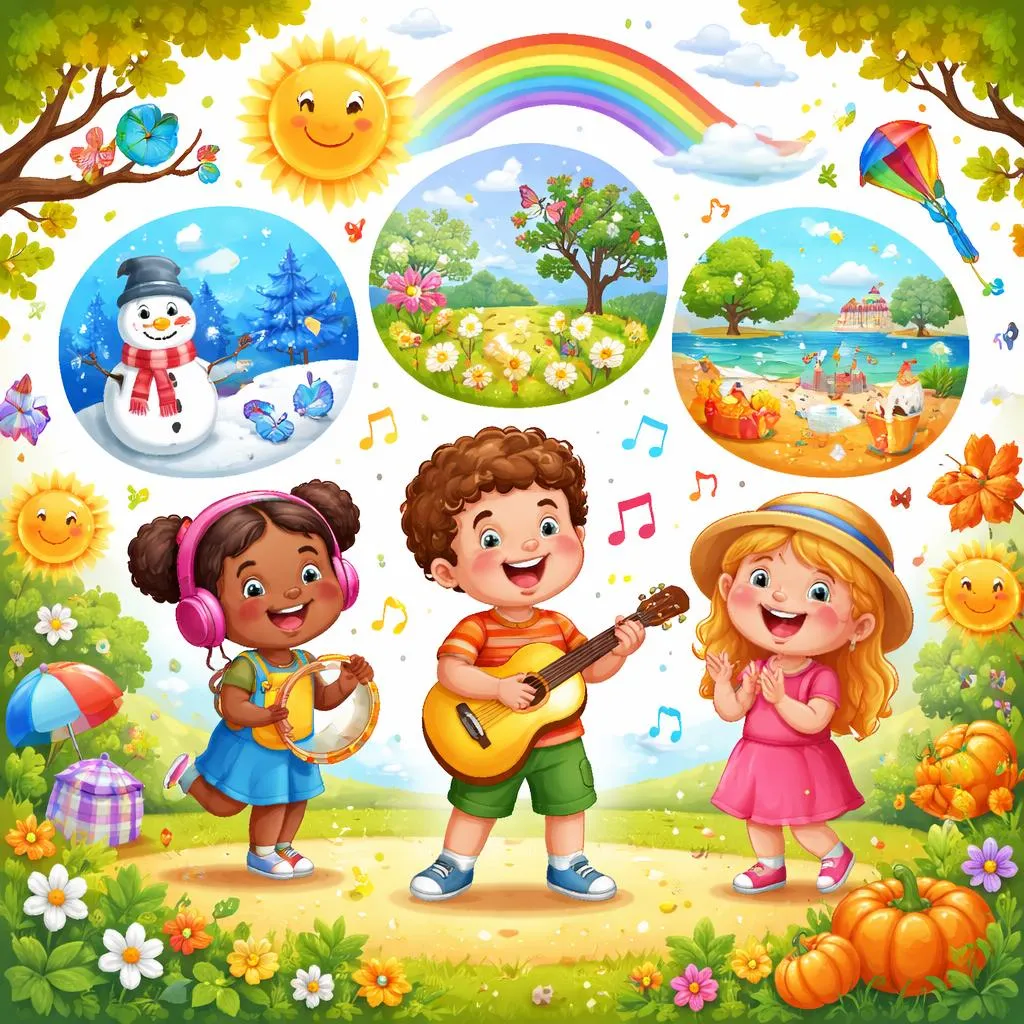

What Is “months of the year song”?
“months of the year song” refers to a popular educational song that teaches the names of the twelve months. Songs about time concepts support early cognitive and language development. Rhythm and repetition help fix new words in memory.
Months form a key part of daily life language. Calendars, birthdays, holidays, and school schedules depend on month vocabulary. A song makes this abstract concept easy and enjoyable.
This song fits classrooms, homes, and early learning apps. It supports listening, speaking, and early reading skills.
The Song: Months of the Year Song Lyrics
Below is a common classroom version sung to a familiar melody.
January, February, March, and April, May, June, July, and August, September, October, November, December, These are the months of the year.
Some versions add actions or clapping. Some versions include seasons or weather lines. The structure stays simple and repetitive.
Vocabulary Learning with Months of the Year Song
This song introduces time-related vocabulary. The twelve month names form the core word set.
January February March April May June July August September October November December
These words appear often in daily conversations. Birthdays, holidays, school terms, and weather discussions use them.
Month vocabulary links with seasons. Winter, spring, summer, and autumn connect to month names. This connection supports thematic learning.
Meaning and Explanation of Months
Months divide the year into twelve parts. Each month has a specific name and number of days.
Months help describe time in schedules and stories. They help express past, present, and future events.
Calendar awareness supports math and life skills. Time vocabulary also supports reading comprehension.
Phonics Points in Months of the Year Song
Month names provide rich phonics practice. Many sounds repeat across months.
The /j/ sound appears in January, June, and July. The /m/ sound appears in March and May. The /s/ sound appears in September. The /n/ sound appears in November.
Syllable patterns support phonological awareness. Jan-u-ar-y has four syllables. Feb-ru-ar-y has four syllables. Sep-tem-ber has three syllables.
Clapping syllables helps sound segmentation. Blending sounds supports early reading skills.
Grammar Patterns in Months of the Year Song
Month names act as proper nouns. Proper nouns start with capital letters.
Prepositions often appear with months. In January. In December. On May 5th.
Simple sentences can describe events. School starts in September. Holidays come in December.
These patterns support basic sentence formation. Repetition strengthens grammar awareness.
Daily Life Examples with Months of the Year Song
Months appear in daily routines. Birthdays happen in different months. School terms follow monthly schedules. Weather changes across months.
Stories often use months to set scenes. Travel plans mention months. Calendars and planners use month names.
Connecting the song to real events deepens understanding. Real-life context improves retention.
Learning Activities with Months of the Year Song
Singing with gestures helps memory. Pointing to a calendar while singing builds visual association.
Month sequencing activities strengthen order awareness. Cards with month names can be arranged in correct order.
Season sorting activities connect months to seasons. Drawing seasonal scenes supports creative learning.
Role-play activities describe events in each month. Short sentences describe birthdays, holidays, and school days.
Counting activities integrate math learning. Counting months and days strengthens number concepts.
Printable Materials for Months of the Year Song
Printable lyric sheets support reading practice. Large fonts help early readers.
Month flashcards support vocabulary practice. Images can represent weather or holidays for each month.
Calendar worksheets reinforce time concepts. Tracing month names supports writing skills.
Season charts connect months with seasons. Matching activities build comprehension.
Coloring pages provide visual reinforcement. Fine motor skills develop alongside language learning.
Educational Games Using Months of the Year Song
Games transform repetition into meaningful practice. Engagement increases attention and retention.
A month order race game encourages sequencing. Teams place month cards in correct order.
A missing month game builds recall. Remove one month and guess the missing name.
A calendar bingo game reinforces month recognition. Listening and matching skills improve.
A song echo game improves pronunciation. Repeat each month after the teacher sings.
A movement game adds gestures for each month. Gestures connect language with physical memory.
Cultural Background of Months of the Year Song
Months come from historical and cultural origins. Many month names come from Roman history and mythology.
January comes from Janus, a Roman god. March comes from Mars, a Roman god of war. July comes from Julius Caesar. August comes from Augustus Caesar.
Learning month origins adds cultural knowledge. Cultural context enriches language learning.
Teaching Tips for Months of the Year Song
Clear modeling of pronunciation supports accuracy. Slow pacing helps comprehension.
Visual calendars increase engagement. Highlight the current month during singing.
Short daily repetition improves retention. Spaced practice strengthens memory.
Encouragement supports confidence in speaking. Positive feedback builds participation.
Integration with science and social studies enriches learning. Weather, holidays, and history connect to months.
Why Months of the Year Song Supports Language Learning
Songs use rhythm and repetition. These elements align with early language acquisition research.
Repetition strengthens vocabulary memory. Rhythm supports pronunciation and fluency.
Sequencing months supports cognitive development. Cognitive skills support reading and math learning.
Multisensory input supports diverse learning styles. Visual, auditory, and kinesthetic activities increase retention.
Extending Learning Beyond the Song
Month-based storytelling activities build narrative skills. Stories can describe events in each month.
Science activities explore weather patterns across months. Temperature charts support data interpretation.
Math activities count days in each month. Calendar math supports number skills.
Writing activities describe favorite months. Short sentences build writing confidence.
Drama activities act out seasonal events. Acting builds oral language and creativity.
Using Months of the Year Song in Home Learning
Home singing builds daily language exposure. Routine practice strengthens familiarity.
Calendars at home reinforce month recognition. Marking birthdays and holidays builds relevance.
Printable worksheets provide structured practice. Coloring and matching activities support comprehension.
Story retelling strengthens speaking skills. Short phrases describe events in different months.
Months of the year song offers a strong foundation for time vocabulary. Rhythm, repetition, and structure support early English learning. Month names, seasons, and daily life examples connect language with real experience. Classrooms and homes can use this song to build listening, speaking, reading, and cognitive skills. Singing, movement, and creative activities create joyful and meaningful language learning moments.