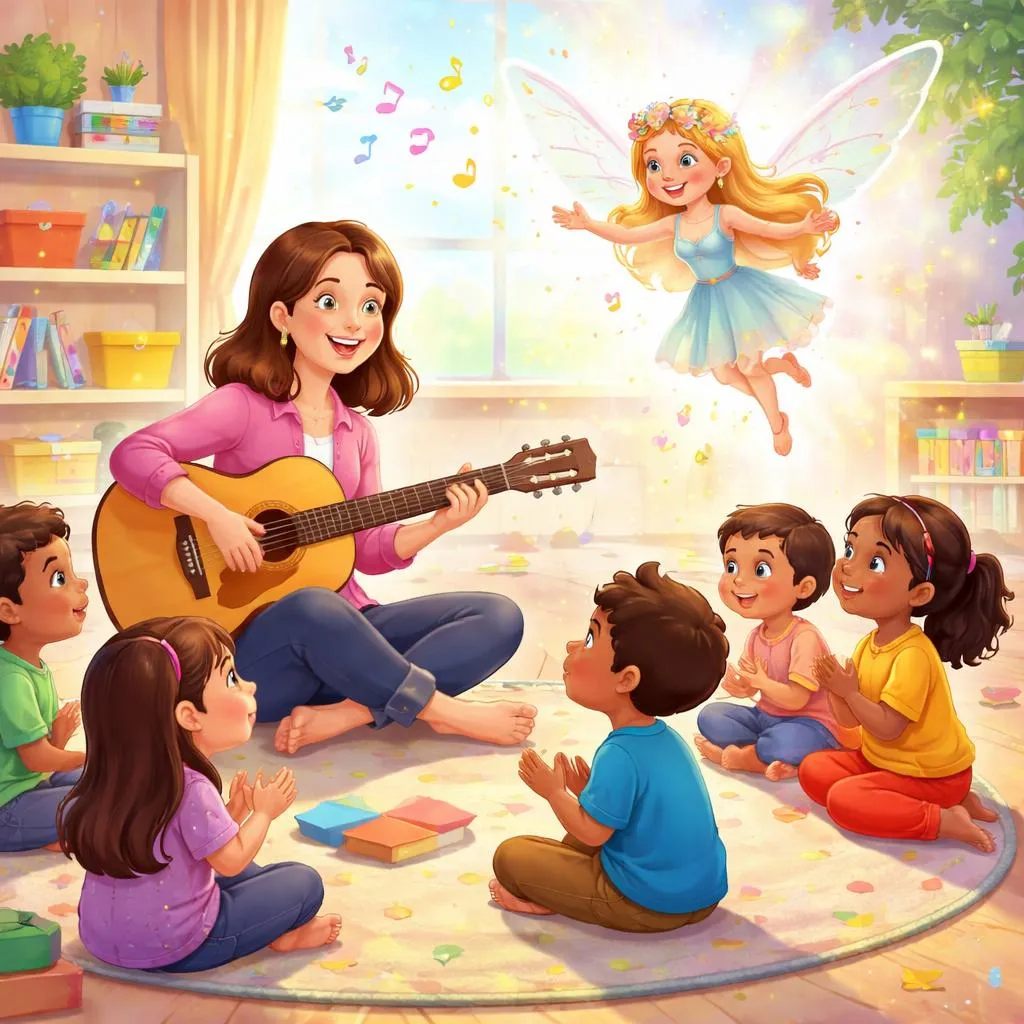

Song Fairy as a Gentle Learning Concept
Music and stories often meet in early learning. Songs help language flow. Stories spark imagination. The idea of a song fairy brings these two elements together in a warm and engaging way. In many classrooms, imaginary characters support focus, curiosity, and joy. A song fairy becomes a friendly guide who introduces music, words, and rhythm.
This concept works well in English learning. Songs improve listening skills. Stories help meaning grow. When combined, learning feels natural and playful. Lessons become moments of discovery rather than instruction.
This article explores the song fairy as a learning idea. Each section explains how this concept supports language, literacy, and creativity. The tone stays gentle and encouraging, like a teacher guiding a calm and happy classroom.
What Is a Song Fairy?
A song fairy is an imaginary character connected to music and learning. This character often appears in stories, songs, or classroom activities. The song fairy brings melodies, rhythms, and words into lessons.
The fairy may appear as a helper who shares songs for different moments. Morning songs, clean-up songs, or calming songs all fit the theme. The fairy becomes a symbol of music and language.
Using an imaginary guide helps maintain attention. The song fairy feels friendly and non-threatening. Learning feels like a shared adventure.
Meaning and Explanation of the Song Fairy Idea
The word fairy suggests magic, kindness, and imagination. The word song connects to music and sound. Together, the song fairy represents joyful learning through music.
This concept does not require belief in real fairies. Instead, it uses imagination as a teaching tool. Imagination supports memory and emotional connection.
Songs introduced by a song fairy feel special. Each song becomes a gift rather than a task. This emotional layer supports engagement and recall.
Types of Songs Shared by a Song Fairy
Different songs serve different learning goals. A song fairy may introduce many types of music.
Greeting songs help start the day. These songs build routine and comfort.
Action songs include movement. They support coordination and listening.
Phonics songs focus on sounds and letters. They help early reading.
Story songs tell simple stories through music. They support comprehension.
Calming songs help slow the pace. They support emotional regulation.
Each type fits naturally into a learning day.
Song Fairy in Daily Learning Routines
Daily routines feel smoother with music. A song fairy may appear during transitions.
A clean-up song signals a change of activity. A goodbye song ends the day calmly.
Using the same songs regularly builds familiarity. Familiarity supports confidence.
Routine songs also support time awareness. Music marks moments in the day.
This structure helps learning feel safe and predictable.
Language Learning Through Song Fairy Songs
Songs support vocabulary in a powerful way. Repetition helps words stay in memory. Melody supports recall.
A song fairy may introduce simple words through songs. Colors, numbers, animals, and actions work well.
Short lyrics and clear pronunciation support understanding. Gestures add meaning.
Language learning through music feels effortless.
Vocabulary Growth With the Song Fairy
Vocabulary introduced through songs often stays longer. Words connect with rhythm and emotion.
A song about weather introduces sunny, rainy, and windy. A song about animals introduces names and sounds.
The song fairy may repeat key words. Repetition builds strength.
Hearing words in context supports comprehension.
Phonics and Sound Awareness With Song Fairy Music
Phonics learning benefits from music. Songs highlight sounds and patterns.
Rhyming songs help recognize similar sounds. Alphabet songs support letter recognition.
A song fairy may focus attention on one sound at a time. Clear articulation supports listening.
Clapping or tapping to sounds adds movement. Movement supports focus.
Phonics learning becomes playful and memorable.
Grammar Patterns in Song Fairy Songs
Simple grammar patterns appear naturally in songs. Present tense verbs appear often.
Songs may include phrases like “I see” or “I like.” These patterns repeat.
Hearing correct grammar builds familiarity. No heavy explanation is needed.
Grammar learning happens through exposure.
Storytelling With the Song Fairy
Stories add depth to songs. A song fairy may appear in a short story before a song begins.
The story sets the scene. The song continues the idea.
This combination supports comprehension. Meaning becomes clearer.
Storytelling also supports imagination and emotional connection.
Imagination and Creativity Through the Song Fairy
Imagination plays a key role in learning. A song fairy invites creative thinking.
Visualizing a fairy delivering songs adds excitement. Songs feel like surprises.
Creative play supports language use. Singing, acting, and pretending all support expression.
Creativity builds confidence.
Using Movement With Song Fairy Activities
Movement enhances learning. Many song fairy songs include actions.
Jumping, clapping, and turning support physical development. These actions also support listening skills.
Coordinating movement with words improves attention.
Movement keeps energy balanced.
Emotional Learning With Song Fairy Songs
Songs often express feelings. Happy songs, calm songs, and gentle lullabies all support emotional learning.
A song fairy may introduce songs for different moods.
Music helps name emotions. It also helps regulate feelings.
Emotional awareness supports social development.
Cultural Learning Through Song Fairy Music
Songs from different cultures expand understanding. A song fairy may bring songs from around the world.
Different rhythms, languages, and styles appear.
This exposure builds respect and curiosity.
Cultural learning through music feels natural and engaging.
Printable Materials Connected to the Song Fairy
Printable materials support visual learning. Song lyric sheets help early reading.
Coloring pages featuring a song fairy support creativity.
Flashcards with song vocabulary support recall.
Printable materials extend learning beyond singing.
Learning Activities Inspired by the Song Fairy
Activities deepen understanding. Drawing scenes from songs supports comprehension.
Making simple instruments supports creativity.
Sequencing pictures from a song story supports logic.
Activities stay short and joyful.
Educational Games Using the Song Fairy Theme
Games add excitement. A guessing game may include listening to a song and naming key words.
A memory game may match pictures to song themes.
A sound game may focus on rhymes or beats.
Games support active learning.
Supporting Parents and Teachers With Song Fairy Ideas
The song fairy concept works at home and school. Parents may sing simple songs during routines.
Teachers may use the fairy as a classroom character.
Consistency supports comfort.
Music becomes part of daily life.
Building Confidence Through Singing
Singing supports speaking confidence. Songs provide structure and support.
Repetition removes pressure. Everyone sings together.
Confidence grows through shared experience.
Early Literacy Support Through Songs
Songs support early literacy. Hearing and seeing words together builds print awareness.
Recognizing repeated words supports reading readiness.
The song fairy becomes a bridge between sound and text.
Attention and Focus With Musical Learning
Music captures attention. Rhythm guides focus.
A song fairy may signal listening time through a song.
This signal helps settle energy.
Focus improves through structure.
A Calm and Inspiring Learning Atmosphere
The song fairy supports a positive atmosphere. Learning feels warm and inviting.
Music softens transitions. Stories spark imagination.
Language grows through sound, rhythm, and joy.
Through gentle guidance, creative songs, and meaningful routines, the song fairy becomes a powerful symbol of joyful learning, helping language, imagination, and confidence grow together in a natural and inspiring way.