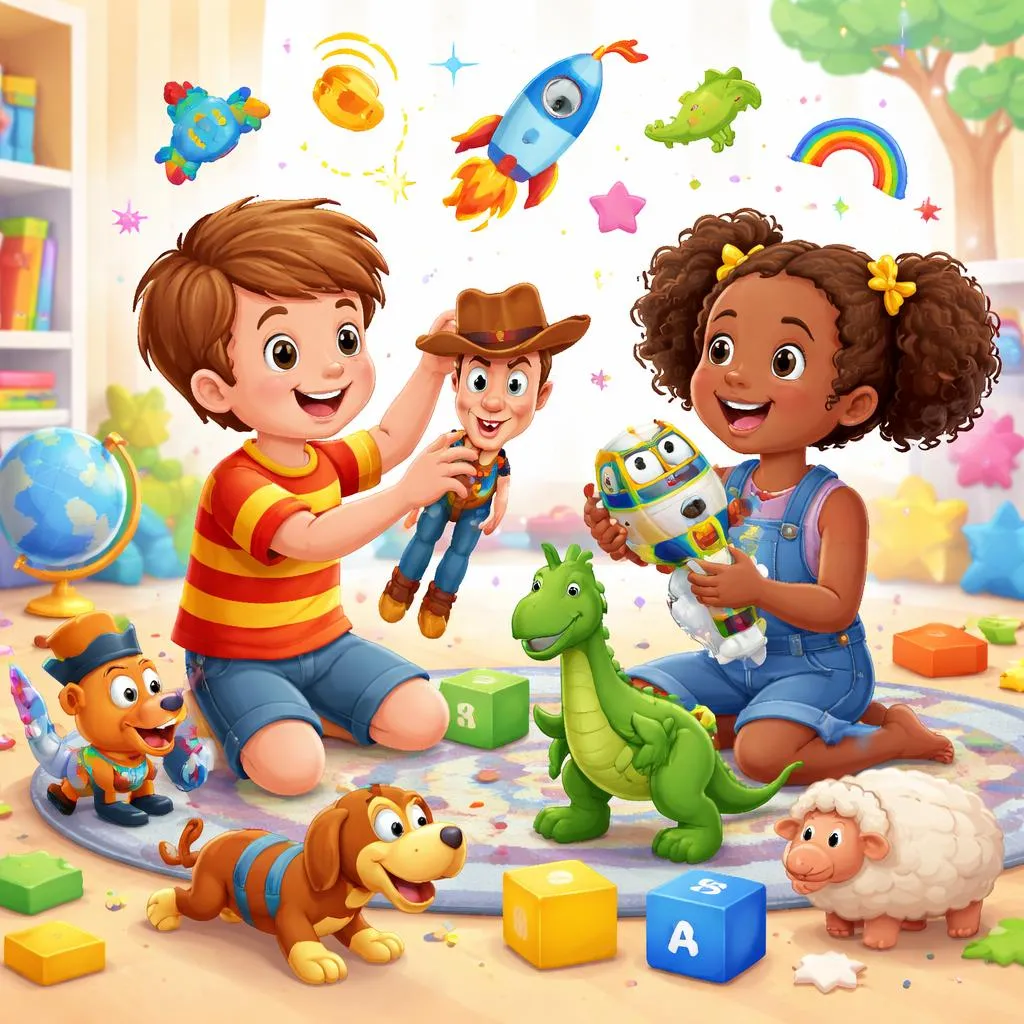

Stories help language feel alive. In the classroom, stories offer meaning, emotion, and connection. Animated stories feel especially powerful for young learners. One story often brings excitement and curiosity. That story features toys that talk, feel, and grow. The world of toys from toy story creates a rich space for English learning.
From a teacher’s point of view, this story supports language naturally. The characters feel clear. The emotions feel real. The situations feel easy to understand. Each scene opens chances to explore words, sounds, and simple grammar. Learning happens through interest, not pressure.
This article guides learning through toys from toy story. Each section focuses on teaching ideas that support English growth. The language stays simple. The tone stays warm and encouraging. The goal stays clear. Learning through story builds strong foundations.
What Are Toys from Toy Story?
Toys from Toy Story come from a famous animated film series. These toys come to life when people are not around. Each toy has a name, a role, and a personality. The story follows friendship, teamwork, and change.
In the classroom, these toys become learning partners. Each character offers something different. Some characters feel brave. Some feel shy. Some feel funny. These traits help describe emotions and actions in English.
Using toys from toy story allows lessons to connect with feelings. That connection supports understanding and memory.
Meaning and Explanation of the Concept
The phrase toys from toy story refers to the characters in the Toy Story films. These characters include cowboys, space rangers, dinosaurs, and dolls. They live in a world of imagination.
This concept supports abstract thinking in a simple way. Toys feel familiar. Giving toys feelings feels exciting. That mix supports storytelling skills.
Teachers often use this idea to explain imagination. Imagination means creating stories in the mind. Toy Story shows imagination clearly. That clarity helps language learning feel natural.
Main Characters as Learning Tools
Each character in toys from toy story offers teaching value. Woody shows leadership and care. Buzz Lightyear shows confidence and growth. Jessie shows energy and emotion. Rex shows nervous feelings in a gentle way.
Talking about these characters builds descriptive language. Words like brave, kind, worried, and excited appear naturally. These words connect to actions in the story.
In lessons, focusing on one character at a time helps attention. Describing clothes, colors, and actions supports vocabulary growth. Simple sentences work best. Woody is a cowboy. Buzz is a space ranger. Rex is a green dinosaur.
Vocabulary Learning Through Toys from Toy Story
Vocabulary grows best with context. Toys from toy story provide clear context. Objects, actions, and emotions appear together.
Words like toy, friend, room, box, and game appear often. Action words like run, help, jump, and fly feel clear through scenes. Emotion words like happy, sad, scared, and proud feel meaningful.
Repetition supports learning. Watching short scenes or pictures helps reinforce meaning. Saying the words aloud supports pronunciation.
In the classroom, pairing images with words builds strong links. The story supports that pairing easily.
Phonics Points Using Character Names
Phonics learning begins with sound awareness. Character names support this goal. Woody starts with a clear W sound. Buzz starts with a strong B sound. Jessie supports the J sound. Rex highlights the R sound.
These names feel fun to say. Saying them slowly helps sound recognition. Clapping for each sound adds movement.
Teachers often use names to introduce letter sounds. Writing the first letter of each name supports early literacy. The connection between sound and symbol becomes clear.
Grammar Patterns Found in the Story
Grammar appears naturally in stories. Toys from toy story show simple sentence patterns. Present tense appears often. Woody helps his friends. Buzz flies and talks.
Past tense appears in storytelling. Buzz thought he could fly. Woody felt jealous. These sentences show grammar in context.
Using short sentences helps understanding. Repeating sentence patterns supports familiarity. No rules need explaining. Exposure builds intuition.
As lessons continue, simple questions appear. Who is this? What is he doing? These questions invite speaking without stress.
Daily Life Examples Connected to the Story
Connecting stories to daily life supports meaning. Toys appear in homes and classrooms. Sharing toys feels familiar.
Talking about cleaning a room connects to Toy Story scenes. Talking about friendship connects to character relationships. These connections support conversation skills.
In lessons, asking simple questions helps reflection. Is this toy soft or hard? What color is this toy? These questions feel natural.
Language learning becomes part of daily experience.
Learning Activities Inspired by Toys from Toy Story
Activities bring stories to life. Acting scenes works well. Pretending to be a toy adds movement and joy. Saying simple lines builds confidence.
Drawing favorite characters supports creativity. Labeling drawings with simple words adds literacy practice. Writing toy names supports spelling awareness.
Story sequencing also helps. Showing pictures from the story and placing them in order builds logic and language. Using words like first, next, and last supports structure.
These activities stay flexible. Teachers can adapt them easily.
Printable Flashcards for Classroom Use
Flashcards support visual learning. Toys from toy story fit flashcards well. Each card can show one character with a name.
Using flashcards helps with recognition and recall. Showing one card at a time keeps focus. Saying the name together builds pronunciation skills.
Flashcards also support games. Matching names to pictures adds challenge. Sorting characters by color or type adds thinking skills.
These materials support both classrooms and home learning.
Educational Games Based on the Story
Games make learning playful. Simple games work best. A guessing game adds excitement. One character hides. Clues describe the character. Guessing builds listening skills.
A memory game also works well. Turning cards and finding matching characters supports focus. Saying the names aloud reinforces vocabulary.
Role-play games invite speaking. One person becomes Woody. Another becomes Buzz. Short dialogues build confidence.
These games keep language active and joyful.
Emotional Learning Through Characters
Emotions matter in learning. Toys from toy story show emotions clearly. Jealousy, fear, happiness, and pride appear in gentle ways.
Talking about these feelings builds emotional vocabulary. Saying Woody feels sad or Buzz feels proud connects language to emotion.
This practice supports empathy. Understanding feelings supports communication skills. Language becomes meaningful.
Teachers often pause scenes to talk about feelings. These moments deepen understanding.
Using the Story With Different Age Levels
The story adapts well to different ages. Younger learners enjoy colors and actions. Older learners enjoy story details and dialogue.
For beginners, focusing on names and colors works best. For more advanced learners, talking about problems and solutions adds depth.
The same story grows with learners. That flexibility supports long-term use.
Supporting Parents Through Familiar Stories
Parents often feel unsure about English support. Familiar stories help. Many families know Toy Story.
Watching scenes together supports shared learning. Talking about characters builds conversation. No special training feels needed.
Enjoyment stays at the center. Language grows through shared moments.
Integrating Toys from Toy Story Into Lessons
Routine helps learning. Starting a lesson with a familiar character sets a positive tone. Ending with a short scene adds calm closure.
Using the story as a theme across lessons supports connection. Vocabulary, grammar, and speaking all link back to the same world.
This integration saves planning time. Consistency supports confidence.
Encouraging Creativity and Imagination
Imagination drives language use. Toys from toy story invite imagination easily. Asking what toys do when people sleep sparks ideas.
Creating new characters adds creativity. Designing a new toy and describing it supports speaking and writing.
These creative moments build ownership. Language becomes personal.
Why Teachers Value This Story World
Teachers value tools that inspire. Toys from toy story inspire naturally. Characters feel lovable. Stories feel clear.
Language learning feels joyful. Lessons feel lively. Smiles appear often.
This story world supports more than words. It supports connection, confidence, and curiosity.
In classrooms and homes, toys from toy story continue to open doors to English learning. Through story, language feels friendly. Through play, learning feels meaningful. Through imagination, English grows with confidence and joy.