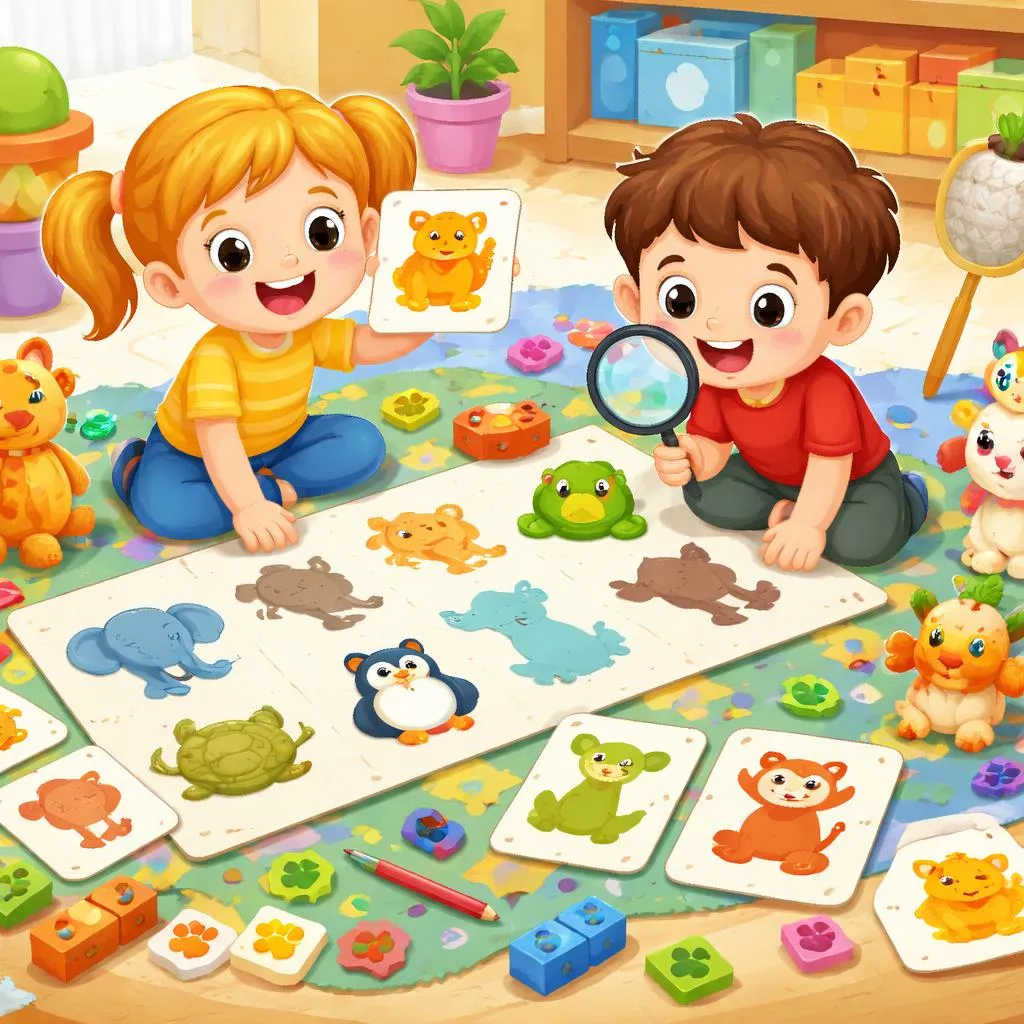

What Is "The Name of an Animal"? Learning the names of animals is an exciting part of early language development. Every child loves animals, and knowing their names can help them connect with the world around them. Animals come in all shapes, sizes, and colors. They live in various habitats, from forests to oceans, and each animal plays a unique role in nature. Animal names are often one of the first categories of words that children learn. Not only does this help build their vocabulary, but it also introduces them to the wonders of the animal kingdom. In this article, we will explore the names of animals, their characteristics, and fun learning activities to make remembering animal names both easy and enjoyable! Names of Common Animals Animals are categorized into different groups based on their characteristics. Here are some common categories of animals and examples from each group. Mammals Mammals are animals that have hair or fur and usually give birth to live young. Some common mammals include:
Dog
Cat
Elephant
Tiger
Lion
Birds Birds are animals that have feathers and lay eggs. Examples of birds include:
Eagle
Parrot
Penguin
Owl
Sparrow
Reptiles Reptiles are cold-blooded animals with scales. They often lay eggs, and they include:
Snake
Lizard
Crocodile
Turtle
Gecko
Fish Fish live in water and breathe through gills. Some examples of fish are:
Goldfish
Shark
Salmon
Clownfish
Tuna
Fun Facts About Animals Animals are fascinating creatures, each with their unique qualities. Here are some fun facts about a few of the animals listed above:
Dogs can learn over 150 words! They are known for their loyalty and often form strong bonds with humans.
Cats have five toes on their front paws but only four on their back paws.
Elephants are the largest land animals and can weigh up to 6,000 kilograms!
Lions live in groups called prides. A lion's roar can be heard up to 8 kilometers away.
Eagles have excellent vision, which helps them hunt prey from high in the sky.
Vocabulary Building with Animal Names When learning animal names, it's essential to understand the meaning of the words and their spellings. Here are some helpful tips for building your vocabulary with animal names:
Repetition: Repeating animal names helps strengthen memory. Try saying the name of an animal aloud several times. For example, say "elephant" and imagine a giant elephant in your mind.
Use Pictures: Showing a picture of an animal alongside its name helps children make associations. For example, show a picture of a cat and say, "This is a cat."
Create Sentences: Encourage children to use animal names in simple sentences. For example, "The cat is sleeping" or "The elephant is big." This helps them practice sentence structure and grammar.
Phonics with Animal Names Phonics plays a vital role in learning the correct pronunciation of animal names. By focusing on sounds and letter combinations, children can improve their reading skills. For example:
The /b/ sound appears in bear and bird.
The /s/ sound appears in snake and seal.
The /t/ sound appears in tiger and turtle.
As you teach children animal names, emphasize the sounds in the words. You can also play games where children identify the first letter sound of each animal's name. This helps develop their phonological awareness. Fun Activities for Learning Animal Names Making learning fun is a great way to help children remember animal names. Here are some creative activities to try:
Animal Sound Game Ask children to make the sound of an animal, and have the other children guess which animal it is. For example, "What animal goes 'moo'?" (Answer: Cow)
Animal Charades In this activity, children take turns acting out different animals, while the other children guess which animal it is. This helps build understanding and memory.
Animal Drawing Children can draw their favorite animals while learning their names. Encourage them to add details like the animal’s fur, scales, or wings. You can use animal stickers or coloring pages to make the activity more engaging.
Flashcards Use flashcards with pictures of animals and their names. Show the flashcard, say the animal's name, and ask the child to repeat after you. This helps reinforce both visual and auditory memory.
Teaching Tips for Parents and Teachers
Use Simple Language: When teaching animal names, use simple, clear language. Short, straightforward sentences work best for young learners.
Repeat Regularly: Consistent practice is key. Regularly review animal names to reinforce memory.
Incorporate Movement: Act out animal movements or sounds to make the learning process more interactive. For example, hop like a frog or waddle like a penguin.
Be Patient: Every child learns at their own pace. Celebrate small victories as they start remembering more animal names.
Connecting Animal Names to Real Life Learning about animals goes beyond just knowing their names. By connecting these names to real-world experiences, children can deepen their understanding of the animals around them. For example, talking about animals they see in the zoo or the farm makes learning more tangible. Observing animals in nature and hearing their sounds help children make real-life connections to the words they learn. When children visit zoos or nature parks, encourage them to say the names of the animals they see. Discuss their features, sounds, and habitats. For example, "Look at the giraffe with its long neck!" or "The monkey is swinging from the tree." Using the names of animals in everyday conversations helps reinforce learning and builds a child's vocabulary. It also encourages curiosity about the natural world. Expanding Animal Knowledge As children grow and learn, they can expand their animal knowledge by exploring different species from around the world. There are so many animals to discover, each with its unique qualities and behaviors. You can introduce more advanced animal facts as children get older, such as their habitats, diets, and how they adapt to different environments.
Endangered Species: Teach children about animals that are endangered and why they need protection.
Marine Life: Explore the diverse animals that live in the ocean, like dolphins, whales, and sea turtles.
Insects and Bugs: Introduce animals that children might see in their backyard, like ladybugs, bees, and ants.
By expanding their knowledge, children will not only learn more animal names but also develop an appreciation for wildlife and the importance of conservation. Creative Writing with Animals Encourage children to write their own stories using animal names. For example, they could create a story about a bear and a fox becoming friends or a rabbit going on an adventure. Creative writing helps children practice their new vocabulary while sparking their imagination. You can also ask them to draw pictures of their stories, combining both visual and verbal skills.
Learning the names of animals is just the beginning. Through repetition, fun activities, and real-world connections, children can build a strong foundation in vocabulary and develop a lifelong love for animals. Whether it's a playful game of animal charades or learning about endangered species, there are endless ways to make learning animal names an enjoyable part of every child's journey in language development.