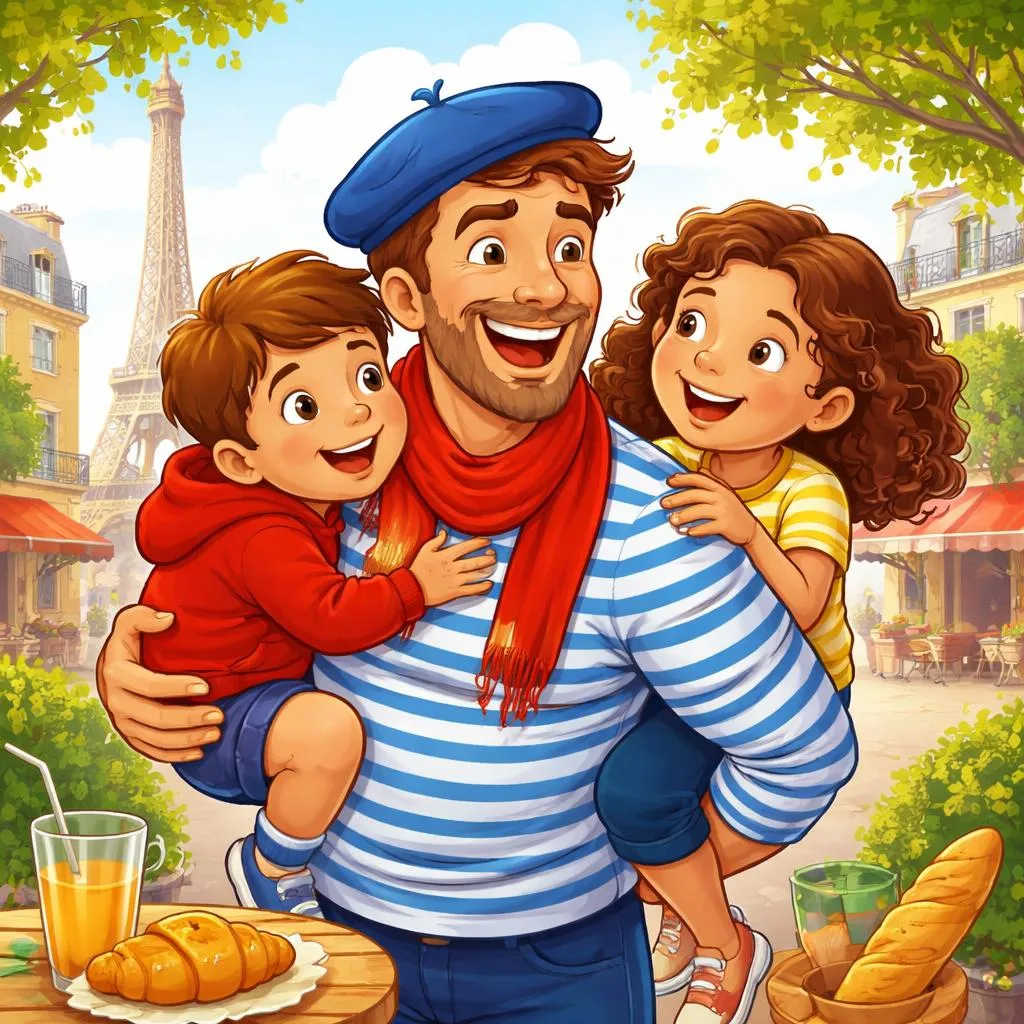

What is the Word for “Uncle” in French? The word for “uncle” in French is “oncle.” It is used to refer to your father’s or mother’s brother. For example, “Mon oncle est gentil” means “My uncle is kind.”
“Oncle” means “uncle” in French.
Using “Oncle” in Sentences Here are some examples of how to use “oncle” in sentences: “J’aime passer du temps avec mon oncle” means “I enjoy spending time with my uncle.” “Mon oncle vit à Paris” means “My uncle lives in Paris.”
“Oncle” is used in everyday sentences.
The Pronunciation of “Oncle” The pronunciation of “oncle” in French is a bit different from English. It is pronounced “on-kluh” with a soft “n” sound. Practice saying “oncle” to get used to the French pronunciation.
“Oncle” is pronounced with a soft “n.”
“Uncle” in the Family “Oncle” is part of family vocabulary in French. It is important to know family words when learning a new language. Other family words in French include “mère” (mother), “père” (father), and “frère” (brother).
“Oncle” is a family word in French.
Different Types of Uncles In French, you can specify whether an uncle is from your father’s or mother’s side. “Oncle paternel” means “paternal uncle” (father’s brother), and “oncle maternel” means “maternal uncle” (mother’s brother). This helps clarify which side of the family the uncle is from.
“Oncle paternel” and “oncle maternel” specify the side of the family.
“Oncle” and Other Family Words “Oncle” is used with other family words to describe relationships. For example, “mon oncle et ma tante” means “my uncle and my aunt.” “Oncle” helps define family relationships in French.
“Oncle” is part of larger family terms.
Using “Oncle” with Adjectives You can use adjectives with “oncle” to describe your uncle. For example, “Mon oncle est très drôle” means “My uncle is very funny.” “Oncle” can be used with adjectives to show personality traits.
“Oncle” can be paired with adjectives.
“Oncle” in Questions You can also use “oncle” in questions. For example, “Où est ton oncle?” means “Where is your uncle?” It helps to ask about family members when you’re trying to learn more about someone.
“Oncle” is used in questions.
Talking About Your Uncle in French When talking about your uncle, you might want to say how much you care about them. For example, “J’adore mon oncle” means “I love my uncle.” Expressing feelings about family members is an important part of communication.
Talking about your uncle shows family connections.
The Role of “Oncle” in French Culture In French culture, family relationships are important, and “oncle” is a key term in family dynamics. Uncles often play an important role in family gatherings and events. In French, showing respect for family members like uncles is common.
“Oncle” plays a key role in family life.
The Plural of “Oncle” To make “oncle” plural in French, add an “s” to the end. For example, “mes oncles” means “my uncles.” This is the same as other nouns in French where you add “s” to make them plural.
“Oncles” means “uncles” in plural.
French Expressions for Family Members In French, family words like “oncle” can be used in expressions. For example, “Il est comme un oncle pour moi” means “He is like an uncle to me.” You can use family words in a variety of ways to show closeness.
“Oncle” can be used in expressions of closeness.
Learning Family Vocabulary in French Learning words for family members is important when learning French. For example, “oncle” helps you talk about your extended family. Knowing family terms will help you build conversations about relationships and connections.
Family vocabulary is important in French.
The Role of “Oncle” in French Stories In French stories or books, uncles (“oncles”) often appear as characters. They might be kind, wise, funny, or helpful. Uncles in stories help teach children about family relationships.
“Oncle” is often used in stories.
: Mastering “Oncle” in French “Oncle” is a basic but important word in French, especially when talking about family. By learning how to use “oncle” in different contexts, you can improve your French vocabulary. Start by practicing with simple sentences and questions.
Mastering “oncle” helps with family conversations in French.
The Role of “Oncle” in French Culture In French-speaking cultures, uncles (“oncles”) are often important figures in the family. They may take on roles of mentors, protectors, or advisors. Uncles often play a fun and active role in family activities and gatherings.
“Oncle” can be an important family role.
“Oncle” and Family Gatherings At family events like birthdays or holidays, uncles are often present. For example, “Mon oncle apporte les desserts” means “My uncle brings the desserts.” Uncles may bring joy and excitement to family occasions.
“Oncle” is often part of family celebrations.
“Oncle” in Popular French Media In French books, films, and television shows, uncles are commonly featured. For example, in the French book series “Le Petit Nicolas,” the character of the uncle is playful and supportive. Uncles in French media show the variety of relationships that family members can have.
“Oncle” is often portrayed in French media.
French Idioms and Expressions with “Oncle” In French, there are expressions that include the word “oncle.” For example, “avoir un oncle en or” means “to have an uncle made of gold,” meaning someone very helpful or valuable. Such idioms reflect the affection and importance of uncles in the French culture.
“Oncle” is used in French idioms.
Showing Respect for Your Uncle in French In French, it is common to show respect for older family members, including uncles. For example, saying “Mon oncle est sage” means “My uncle is wise.” This shows respect and admiration for the older generation.
Respect for uncles is important in French.
Other Family Words Related to “Oncle” In French, there are many other family words related to “oncle.” For example, “tante” means “aunt,” and “cousin” means “cousin.” Learning all of these family words will help you talk about different family members.
Learn all family words to talk about relatives.
Using “Oncle” in Family Conversations In family conversations, it’s common to refer to “oncle” when talking about family relationships. For example, “Mon oncle est très drôle, il me fait rire” means “My uncle is very funny, he makes me laugh.” Talking about family members in French is an important skill to develop.
“Oncle” is frequently used in family conversations.
Using “Oncle” with Family Events “Oncle” is also useful when talking about events involving family members. For example, “Nous allons chez mon oncle ce week-end” means “We are going to my uncle’s house this weekend.” This helps you discuss family events and get together.
“Oncle” helps describe family gatherings.
The Formality of “Oncle” In formal situations, “oncle” is often used respectfully. For example, “Mon oncle, M. Dupont, est un homme important” means “My uncle, Mr. Dupont, is an important man.” Using “oncle” with a title or last name is common in formal French.
“Oncle” is used formally in some situations.
“Oncle” and Possession In French, you might also use “oncle” to talk about possession. For example, “Le livre de mon oncle” means “My uncle’s book.” It helps show who owns something in family conversations.
“Oncle” shows possession in French.
Using “Oncle” with Adjectives You can use adjectives with “oncle” to describe your uncle in French. For example, “Mon oncle est gentil” means “My uncle is kind,” or “Mon oncle est très drôle” means “My uncle is very funny.” Adjectives help you express more about your uncle’s personality.
“Oncle” is used with adjectives.
“Oncle” and Family Relationships When talking about family relationships, “oncle” is used to describe the brother of one’s parent. For example, “C’est l’oncle de mon ami” means “He is my friend’s uncle.” Using “oncle” helps explain family ties.
“Oncle” describes family connections.
How to Pronounce “Oncle” in French The pronunciation of “oncle” can be tricky for beginners. It is pronounced “on-kluh,” with the “n” being soft and not fully pronounced like in English. Practice speaking “oncle” to get the correct sound.
“Oncle” is pronounced “on-kluh” in French.
The Significance of “Oncle” in French History In French history, family ties were important, and the term “oncle” often carried significant meaning. Uncles were often looked to for guidance or advice in times of need. Learning about family terms like “oncle” helps understand cultural importance.
“Oncle” has historical significance in French culture.
The Role of “Oncle” in Different French Regions In various French-speaking regions, uncles might have different roles or titles in the family. For example, in some regions of France, an uncle may also be referred to as “pépé” (grandfather) in informal contexts. Understanding regional variations helps with learning French more thoroughly.
“Oncle” can have different meanings in different regions.
: Embracing the Word “Oncle” The word “oncle” is an important part of the French language, especially when talking about family. By learning how to use “oncle” in different contexts, you’ll be able to have richer conversations about family. Whether in formal settings, daily talks, or stories, “oncle” helps you communicate about family relationships in French.
Mastering “oncle” helps you speak about family in French.