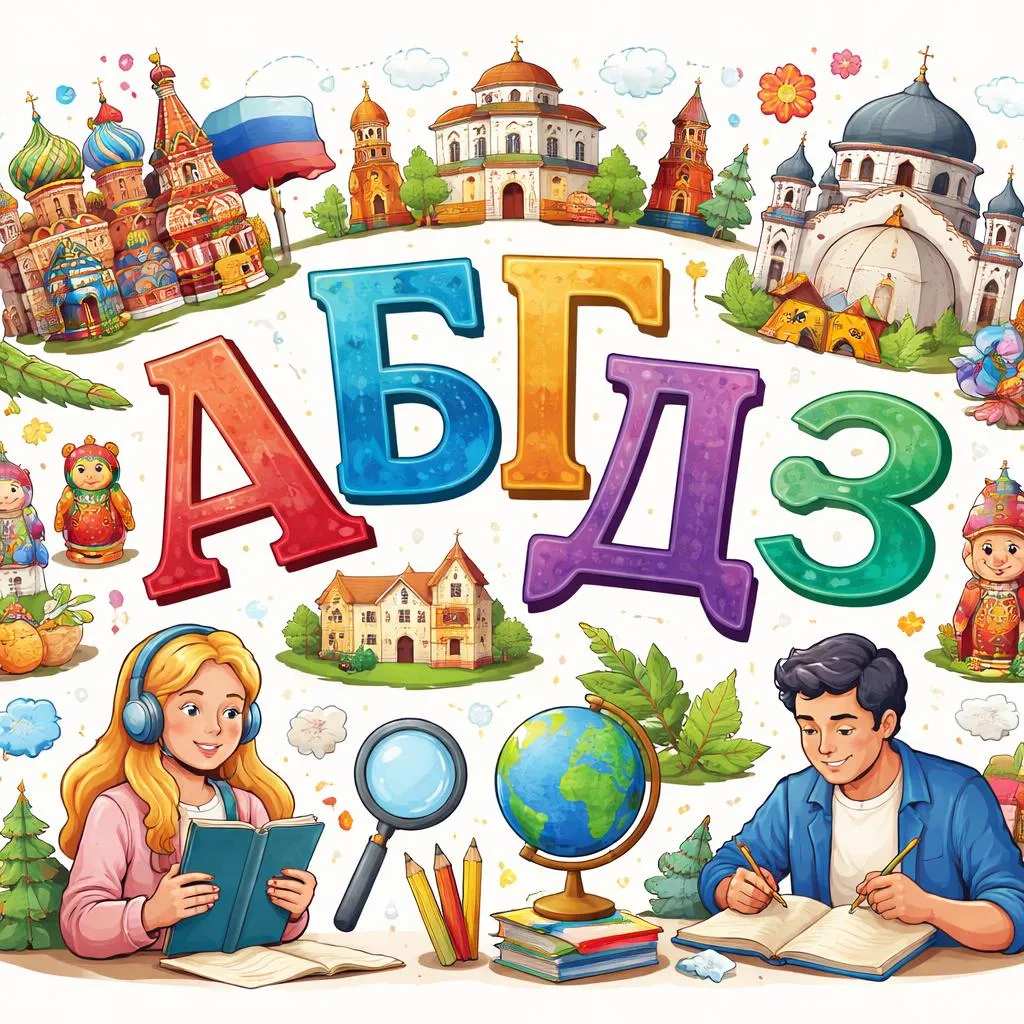

What is the Cyrillic Script? The Cyrillic script is a writing system used by many languages across Eastern Europe, Central Asia, and parts of the Caucasus region. It was originally developed in the 9th century by two Byzantine missionaries, Saint Cyril and Saint Methodius, to help spread Christianity among the Slavic peoples. Over time, the script evolved and was adapted by many different countries, resulting in the creation of different versions of the Cyrillic alphabet. Today, the Cyrillic script is used in a variety of languages, including Russian, Ukrainian, Bulgarian, Serbian, Macedonian, and many others. It is one of the most widely used alphabets in the world, especially in the countries of the former Soviet Union. In this article, we will explore the history of the Cyrillic script, its alphabet, and how it is used in different languages. We’ll also look at how to learn Cyrillic and its differences from other writing systems like the Latin alphabet.
History of the Cyrillic Script The Cyrillic script was created around 863 AD by two brothers, Cyril and Methodius, who were missionaries in the Byzantine Empire. Their goal was to provide a written system for the Slavic peoples, who previously did not have a common script. The brothers initially created the Glagolitic alphabet, but later, their disciples developed the Cyrillic alphabet to make the writing system easier to use. The Cyrillic script was influenced by the Greek alphabet, which the missionaries were familiar with, but it also incorporated unique features to suit the phonetics of the Slavic languages. Over time, the script spread throughout Eastern Europe and into Central Asia, where it was adapted for various local languages. Today, the Cyrillic alphabet is used in over 120 languages, making it one of the most widely used scripts in the world. It is the primary script used in languages like Russian, Ukrainian, Bulgarian, Serbian, Macedonian, and Kazakh. In some countries, Cyrillic is used alongside other writing systems, such as the Latin alphabet.
The Cyrillic Alphabet: How It Works The Cyrillic alphabet consists of a set of letters that are similar to those in the Latin alphabet, but there are some key differences. There are 33 letters in the Russian version of the Cyrillic alphabet, but other languages may have different numbers of letters based on the sounds of the language. Here is an overview of the Russian Cyrillic alphabet and how the letters are pronounced:
- А, а (A, a) The letter А is pronounced like the "A" in "father".
Example: "арбуз" (watermelon)
- Б, б (B, b) The letter Б is pronounced like "B" in "ball".
Example: "брат" (brother)
- В, в (V, v) The letter В is pronounced like "V" in "vase".
Example: "вода" (water)
- Г, г (G, g) The letter Г is pronounced like "G" in "go".
Example: "гора" (mountain)
- Д, д (D, d) The letter Д is pronounced like "D" in "dog".
Example: "друзья" (friends)
- Е, е (E, e) The letter Е is pronounced like "ye" in "yes".
Example: "еда" (food)
- Ё, ё (Yo, yo) The letter Ё is pronounced like "yo" in "yogurt".
Example: "ёжик" (hedgehog)
(Note: Ё is often replaced with Е in writing, but they are considered separate letters.) 8. Ж, ж (Zh, zh) The letter Ж is pronounced like "s" in "measure".
Example: "жена" (wife)
- З, з (Z, z) The letter З is pronounced like "Z" in "zebra".
Example: "зебра" (zebra)
- И, и (I, i) The letter И is pronounced like "ee" in "see".
Example: "игра" (game)
- Й, й (Short I, i) The letter Й is a shorter version of И, pronounced like "y" in "boy".
Example: "мой" (my)
- К, к (K, k) The letter К is pronounced like "K" in "kite".
Example: "книга" (book)
- Л, л (L, l) The letter Л is pronounced like "L" in "lamp".
Example: "лес" (forest)
- М, м (M, m) The letter М is pronounced like "M" in "moon".
Example: "мать" (mother)
- Н, н (N, n) The letter Н is pronounced like "N" in "night".
Example: "нога" (leg)
- О, о (O, o) The letter О is pronounced like "O" in "dog".
Example: "озеро" (lake)
- П, п (P, p) The letter П is pronounced like "P" in "pen".
Example: "папа" (dad)
- Р, р (R, r) The letter Р is pronounced like "R" in "river", but it is rolled, which is common in many languages that use Cyrillic.
Example: "река" (river)
- С, с (S, s) The letter С is pronounced like "S" in "sun".
Example: "собака" (dog)
- Т, т (T, t) The letter Т is pronounced like "T" in "table".
Example: "тег" (tag)
- У, у (U, u) The letter У is pronounced like "oo" in "food".
Example: "сухой" (dry)
- Ф, ф (F, f) The letter Ф is pronounced like "F" in "fun".
Example: "фильм" (movie)
- Х, х (Kh, kh) The letter Х is pronounced like "ch" in "Bach" or "Loch".
Example: "хлеб" (bread)
- Ц, ц (Ts, ts) The letter Ц is pronounced like "ts" in "cats".
Example: "цель" (goal)
- Ч, ч (Ch, ch) The letter Ч is pronounced like "ch" in "chocolate".
Example: "человек" (person)
- Ш, ш (Sh, sh) The letter Ш is pronounced like "sh" in "shoe".
Example: "школа" (school)
- Щ, щ (Shch, shch) The letter Щ is pronounced like "shch", a sound found in the word "fresh cheese".
Example: "щука" (pike)
- Ы, ы (Y, y) The letter Ы is a sound that does not exist in English, and is a bit like saying "ee" while positioning your tongue further back.
Example: "быстро" (fast)
- Э, э (E, e) The letter Э is pronounced like "e" in "bet".
Example: "это" (this)
- Ю, ю (Yu, yu) The letter Ю is pronounced like "you" in English.
Example: "юг" (south)
- Я, я (Ya, ya) The letter Я is pronounced like "ya" in "yarn".
Example: "яблоко" (apple)
Learning to Write in Cyrillic Writing in the Cyrillic script is similar to writing in the Latin alphabet, but it does require practice to get used to the different letters and their sounds. If you're learning to write in Cyrillic, here are some tips:
Start by practicing individual letters: Focus on learning to write each letter of the alphabet clearly.
Write words and phrases: Once you're familiar with the letters, start practicing simple words and phrases. This will help you get used to the flow of writing in Cyrillic.
Use online resources and apps: There are many resources and apps that can help you practice writing in Cyrillic. These can be useful for learning both handwriting and typing in Cyrillic.
Fun Activities for Learning Cyrillic To help you learn Cyrillic in a fun way, here are some activities you can try:
Flashcards: Make flashcards with the Cyrillic letters on one side and the English equivalent on the other.
Write Your Name: Practice writing your name using the Cyrillic alphabet. It’s a fun way to get used to the letters!
Cyrillic Word Search: Create or find word search puzzles that use Cyrillic letters to practice identifying them.
The Cyrillic script is an important part of many languages spoken across Eastern Europe and Central Asia. By understanding the Cyrillic alphabet and how to pronounce and write in it, you can start learning languages like Russian, Ukrainian, Bulgarian, and more. Whether you're planning to travel, study, or just explore a new language, mastering the Cyrillic script will be an exciting and valuable skill.