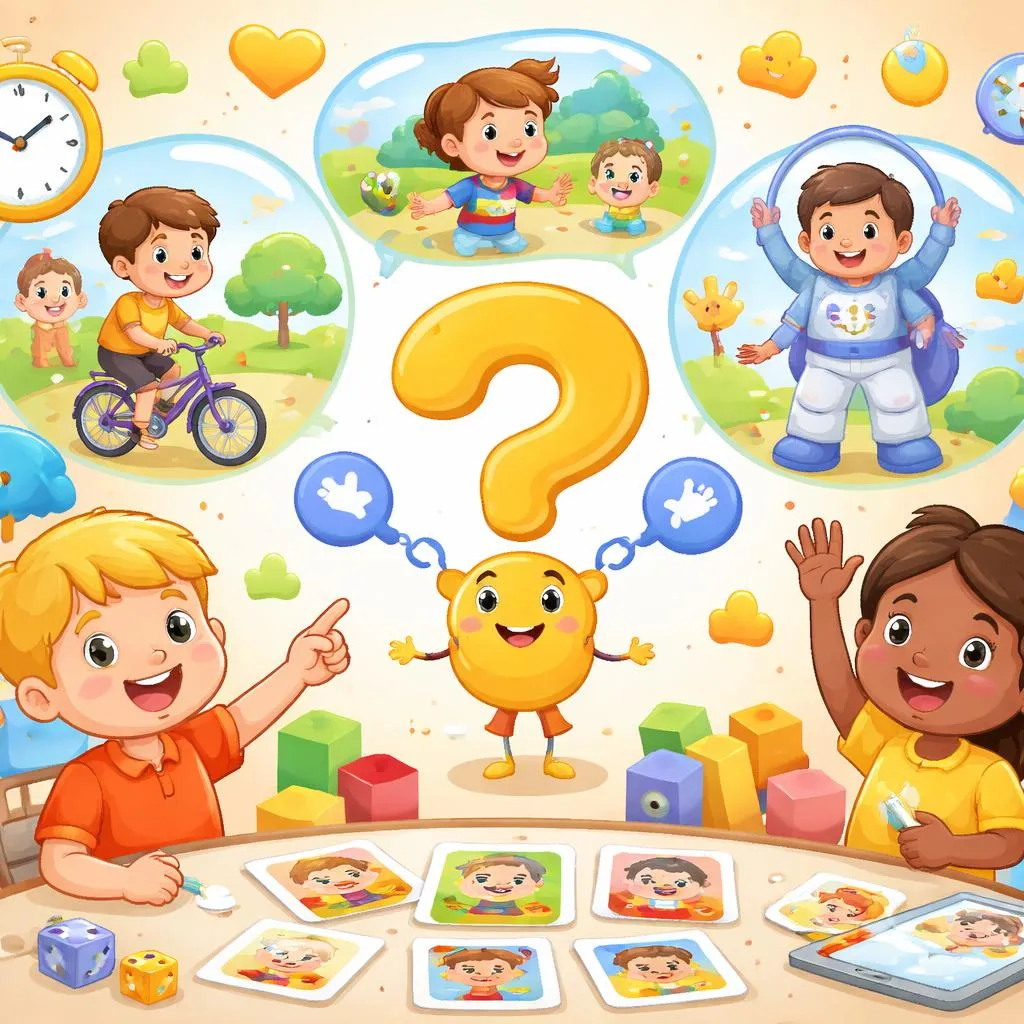

Meaning of tobe meaning
The phrase tobe meaning refers to the meaning of the verb “to be.” The verb “to be” is one of the most important verbs in English.
“To be” shows identity, feelings, age, and location. It helps describe who someone is and how someone feels.
This verb appears in many daily sentences. It also appears in stories, songs, and conversations.
Understanding tobe meaning builds a strong foundation for English learning. It helps form basic sentences and express ideas clearly.
Conjugation of the Verb “To Be”
The verb “to be” changes its form depending on the subject and time. These forms are called conjugations.
The basic forms are am, is, are, was, were, and will be. Each form matches a different subject and tense.
Conjugation helps create clear and correct sentences. Learning these forms supports speaking, reading, and writing.
Present Tense of “To Be”
The present tense forms are am, is, and are.
“Am” pairs with I. “Is” pairs with he, she, it, and singular nouns. “Are” pairs with you, we, they, and plural nouns.
Examples help clarify usage. I am happy. She is a teacher. They are friends.
The present tense describes what is true now. It also describes habits and general facts.
Past Tense of “To Be”
The past tense forms are was and were.
“Was” pairs with I, he, she, it, and singular nouns. “Were” pairs with you, we, they, and plural nouns.
Examples show past meaning. I was tired yesterday. We were at the park.
The past tense describes what happened before now. It helps tell stories and share experiences.
Future Tense of “To Be”
The future tense form is will be.
This form pairs with all subjects. I will be ready. They will be happy.
The future tense describes what will happen later. It helps talk about plans, dreams, and predictions.
Understanding future forms supports storytelling and conversation.
Questions with “To Be”
The verb “to be” often appears in questions. Questions invert the subject and the verb.
Am I late? Is she at school? Are they hungry? Was he sick? Were you happy? Will we be there?
These question patterns support communication and interaction. They help ask about identity, feelings, and location.
Other Uses of “To Be”
The verb “to be” has many functions. It links a subject to a description.
It describes feelings. I am excited.
It describes age. He is seven years old.
It describes location. The book is on the table.
It describes identity and roles. She is a doctor.
It also appears in passive sentences and continuous tenses. These advanced uses appear later in language development.
Daily Life Examples of tobe meaning
Daily routines provide natural examples. I am hungry in the morning. The classroom is quiet. Friends are playing outside.
Stories use “to be” to describe characters and settings. The dragon is big. The princess is brave.
Songs and chants use “to be” for rhythm and meaning. These contexts support natural language learning.
Learning Tips for Understanding tobe meaning
Short sentences support comprehension. Visual aids connect meaning with images.
Role-play activities use “to be” in real situations. Repetition across days strengthens memory.
Sentence frames help build confidence. “I am ___.” “He is ___.” “They are ___.”
Connecting grammar to daily life makes learning meaningful. Encouraging speaking and writing supports active use.
Educational Games for “To Be”
Games make grammar practice enjoyable. A sentence building game uses subject and “to be” cards.
A feelings game matches pictures with sentences like “She is happy.” A location game uses classroom objects and sentences like “The ball is under the chair.”
A question game practices “Am I,” “Is she,” and “Are they.” A storytelling game builds characters using “to be” descriptions.
These games reinforce grammar through play and interaction.
Phonics Points Related to “To Be”
The word “be” uses a long /ee/ sound. The words am, is, and are use short vowel sounds.
Pronunciation practice supports fluency. Chanting forms like “I am, you are, he is” builds rhythm.
Phonics and grammar together support early reading and speaking.
Grammar Patterns with “To Be”
The verb “to be” often links a subject and an adjective. She is kind.
It links a subject and a noun. He is a student.
It links a subject and a prepositional phrase. They are in the library.
These patterns form the backbone of English sentences. Understanding these structures builds strong grammar skills.
Printable Materials for Teaching “To Be”
Printable flashcards show subjects and verb forms. Sentence strips help arrange correct structures.
Tracing worksheets support writing practice. Mini-books provide simple reading practice with “to be” sentences.
Picture cards support matching sentences to images. Printables provide hands-on reinforcement.
Cross-Curricular Connections with “To Be”
The verb “to be” connects to social studies and identity. Sentences describe people, roles, and communities.
Science lessons use “to be” to describe animals and objects. Math lessons use “to be” in comparisons and statements.
Art lessons describe drawings and colors. Music lessons describe feelings and sounds.
Grammar connects to all subjects through language use.
Cultural and Social Learning Through “To Be”
The verb “to be” supports self-expression. Sentences like “I am happy” or “I am curious” express emotions.
Describing others builds empathy and social awareness. Group activities using “to be” encourage communication and cooperation.
Identity language supports confidence and self-awareness. Language learning becomes personal and meaningful.
Using Technology to Teach tobe meaning
Digital apps provide interactive grammar exercises. Animated videos show sentence structures and examples.
Online games reinforce conjugation and sentence building. Recording tools support pronunciation practice.
Technology adds visual and auditory support to grammar learning. Interactive tools increase engagement and motivation.
Common Challenges with tobe meaning
Mixing am, is, and are may occur at first. Clear charts and repetition support accuracy.
Past tense forms was and were may confuse learners. Contrastive practice clarifies differences.
Question inversion may require modeling. Practice with real conversations builds confidence.
Pronunciation of “are” may vary. Slow repetition and listening activities support clarity.
Practical Classroom Strategies for tobe meaning
Use charts that show all forms of “to be.” Model sentences in daily classroom routines.
Ask simple questions using “to be.” Encourage answers with short sentences.
Use real objects and pictures to describe with “to be.” Integrate drawing, acting, and storytelling activities.
Provide consistent feedback and repetition. Create a supportive environment for speaking and experimenting with language.
Tobe meaning forms the foundation of English grammar and communication. Understanding this verb opens the door to describing identity, feelings, time, and place. Clear examples, engaging activities, and consistent practice create a friendly and inspiring path toward confident English use for young learners, supportive parents, and dedicated teachers.