
A Friendly Hello and First Impressions
Bonjour! (bohn-ZHOOR). This is the official "Hello" in French. Barka! (BAR-kah). This is a warm "Thank you" in Moor谷. People use both every day. Learning reading about Burkina Faso starts with these kind, welcoming words.
Burkina Faso is a landlocked country. It is in the heart of West Africa. Its shape looks like a rounded rectangle. The rectangle sits on a high, flat plateau. The country is in Africa. Mali, Niger, and Ghana are its neighbors. The land is mostly savanna and gentle hills.
People call it the "Land of the Upright People". The name "Burkina Faso" means this. "Burkina" means "upright people" in Moor谷. "Faso" means "fatherland" in Dioula. The people are called "Burkinab豕". They are proud of their integrity. Another nickname is the "Country of the Honest Men". Are you ready to meet these upright people?
Deep Dive into Culture and Stories
Echoes of History
A recent and important leader was Thomas Sankara. He was president from 1983 to 1987. He was a revolutionary. He changed the country's name. It was called Upper Volta before. He promoted women's rights. He planted millions of trees. He fought corruption. He was called "Africa's Che Guevara". His ideas inspired many. His story is a key part of learning reading about Burkina Faso.
Long before Sankara, great empires ruled the region. The Mossi Kingdoms were powerful. They started in the 11th century. They built strong societies. They resisted invaders for centuries. Their traditional rulers, the "Mogho Naaba", are still respected today. This deep history shapes the culture.
A Beacon of African Cinema
Burkina Faso gives the world a great film festival. It is called FESPACO. This is the Panafrican Film and Television Festival of Ouagadougou. It happens every two years. It is the largest African film festival. Filmmakers from across Africa come. They show their movies. They compete for the top prize. The festival celebrates African stories. It shows the power of African voices. This is a gift of art and perspective.
A Land of Gentle Plains
Burkina Faso is mostly flat. It is a high plateau. The land is covered in savanna. The savanna is grassland with scattered trees. The south is greener. The north is drier, near the Sahel. There are no major mountains. Three main rivers flow through the country. The Black, Red, and White Voltas are their names.
The climate is tropical. It has two main seasons. The rainy season is from June to October. The dry season is from November to May. The Harmattan wind blows in the dry season. It brings dust from the Sahara. The environment is tough. Farming is difficult. People grow sorghum, millet, and cotton. Houses are often made of mud bricks. They have flat roofs. The design keeps the house cool.
A special tree is the shea tree. It gives shea nuts. Women make shea butter from the nuts. The butter is for skin and cooking. The tree is called "women's gold". The baobab tree is also iconic. It stores water in its trunk. The national animal is the white stallion. It is a symbol of the Mossi kings. The red rose is the national flower. It represents the blood of ancestors.
Landmarks of Mud and Memory
Visit the Ruins of Lorop谷ni. They are a UNESCO World Heritage site. They are in the south. The ruins are stone walls. They are over 1,000 years old. The walls are from the Lohron or Koulango people. They were a gold trading settlement. The site is mysterious. Why was it abandoned? A legend says a king hid his treasure there. The ruins are a silent witness to a rich past.
See the Grand Mosque of Bobo-Dioulasso. It is a beautiful mud-brick mosque. It was built in 1893. The architecture is Sudano-Sahelian. It has tall, conical towers. The towers are held up by wooden beams. The beams stick out like pins. This helps with repairs. The mosque is still used today. It is a cool, peaceful place.
Another important site is the Monument of the Martyrs. It is in the capital, Ouagadougou. It honors those who died for the nation. The monument is a tall, modern sculpture. It looks like a flame or a hand. It is a place of reflection. It reminds people of the cost of freedom.
Festivals of Film and Mask
The biggest festival is FESPACO. It happens in odd-numbered years. The city of Ouagadougou fills with people. Cinemas show films day and night. Directors and actors walk the red carpet. The opening parade is colorful. Traditional dancers and musicians perform. The festival is a celebration of African creativity. It shows the world African perspectives.
A unique traditional event is the Moro-Naba ceremony. It happens every Friday morning. The Mogho Naaba, the Mossi emperor, holds court. He wears traditional robes. His horsemen are present. The ceremony reenacts a historical event. The emperor almost leaves to go to war. His ministers convince him to stay. It is a short, symbolic ritual. It shows the power of diplomacy.
Food and Flavors
The national dish is T?. It is a thick porridge. It is made from millet, sorghum, or corn flour. The porridge is white and smooth. People eat it with their hands. They dip it into a sauce. The sauce can be okra, peanut, or leaf sauce. Meat or fish is often in the sauce. T? is filling and nutritious. It tastes like the staple of daily life.
You must try Riz Gras. This means "Fat Rice". It is a popular party dish. The rice is cooked with tomatoes and onions. It has small pieces of meat and vegetables. The rice gets a red-orange color. It is flavorful and a little oily. Families eat it at celebrations. It tastes like a festive, savory treat.
A Culture of Rhythm and Resilience
Music is everywhere in Burkina Faso. The balafon is a famous instrument. It is like a wooden xylophone. Gourds under the keys make the sound resonate. Griots are storytellers and musicians. They pass history through songs. The rhythm of the djembe drum is powerful. It makes everyone want to dance. This love for music is a joyful part of learning reading about Burkina Faso.
The people are known for their resilience. Life can be hard. The climate is harsh. But the Burkinab豕 are creative. They find solutions. They are masters of improvisation. They fix things with what they have. This spirit is called "Syst豕me D". It means being resourceful. It is a way of life.
Tips for Young Explorers
Cultural Manners Matter
Greetings are very, very important. Always say "Bonjour" when you meet someone. Ask about the person's health, family, and work. Do not rush the greeting. This shows respect. A handshake is common. Use your right hand.
Elders are highly respected. Always greet the oldest person first. Listen when they speak. Do not interrupt. Stand up when an elder enters the room. Offer them your seat. This is good manners.
When eating, use your right hand. The left hand is considered unclean. Wash your hands before and after the meal. Eat from the part of the bowl in front of you. Try a little of everything. Compliment the cook.
A Note on Staying Safe
Burkina Faso has security problems. Terrorist groups are active in some areas. Kidnapping is a risk. Some borders are dangerous. Always check travel advisories. It is best to travel with a trusted tour company. They know the safe areas.
In cities, be careful at night. Do not walk alone. Keep your belongings close. Do not show expensive items. Use common sense. Listen to local advice.
A Tasty Stop
Look for "brochettes" on the street. They are grilled meat skewers. The meat is often beef or goat. It is marinated in spices. The skewers are cooked over charcoal. They are served with onions and chili sauce. Eat them hot. The meat is smoky, tender, and delicious.
Healthy and Happy Travels
Drink only bottled or boiled water. This is the most important rule. Do not drink tap water. Avoid ice in drinks. Brush your teeth with bottled water. This keeps your stomach happy.
Malaria is a big risk. Take anti-malaria medicine. Use insect repellent. Wear long sleeves in the evening. Sleep under a mosquito net. This protects you from mosquito bites.
The sun is extremely strong. Wear a hat and use sunscreen. The Harmattan wind can be dusty. It can irritate your eyes and throat. A scarf can help. Drink lots of water to stay hydrated.
Your Invitation to Explore
Start your journey with music. Listen to Burkinab豕 balafon music online. Hear the melodic, wooden sounds. Or, watch a movie from FESPACO. See a story from West Africa. This is a wonderful way of learning reading about Burkina Faso.
Visit an African market in your city. Look for shea butter. Feel its smooth texture. Smell its nutty scent. Imagine the women collecting the nuts. You can also try cooking a simple millet porridge. Taste the staple food of millions.
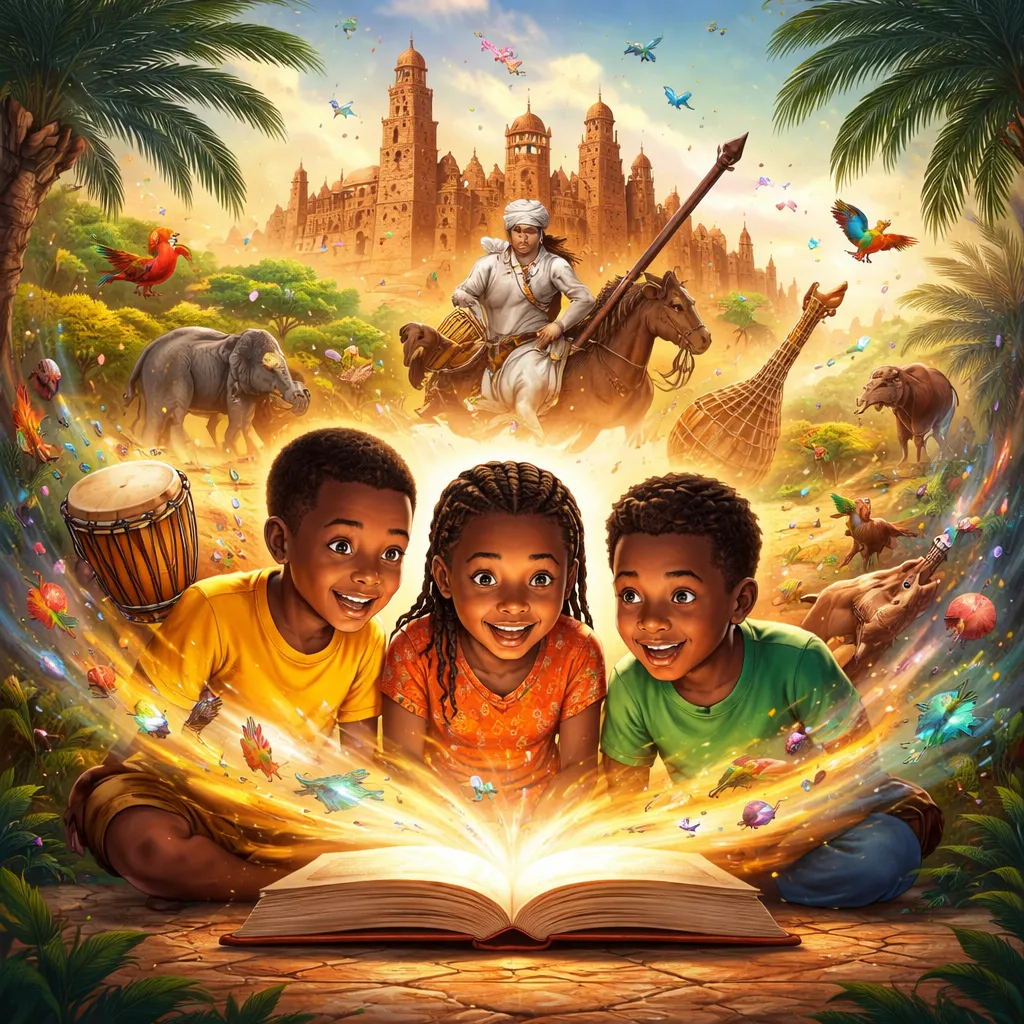
The world is a big, open book. Each country is a different chapter. Burkina Faso's chapter is about upright people, music, and resilience. Open it with respect. Read about its films, festivals, and shea trees. Your curiosity is your guide.
Burkinab豕 families share a bowl of t?. Friends gather to listen to a griot's stories. Children play with toys made from recycled materials. We all know these feelings. We love sharing meals. We enjoy music and stories. We use our creativity. Learning about Burkina Faso shows us this. Our global family is connected by shared human spirit. Keep exploring, one page, one country, at a time. Your adventure has just begun.