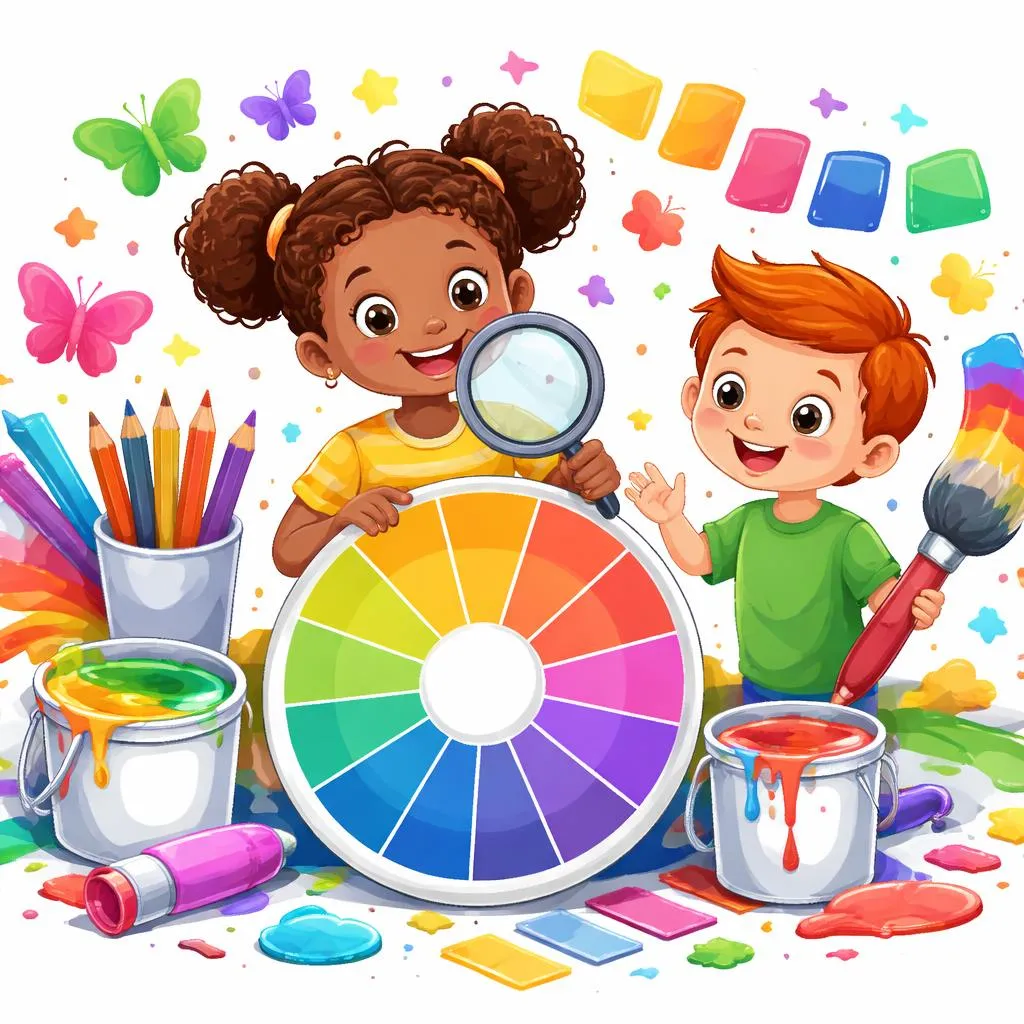
What Are Color Words? Color words describe how something looks. They add detail. They create images. They make sentences more vivid. Without color words, description feels plain. With color words, language becomes lively. A car. A red car. Small change. Big difference. Basic Color Words in English These are common basic colors. Red Blue Yellow Green Orange Purple Pink Brown Black White Gray These words appear early in English learning. Simple spelling. Clear meaning. Primary and Secondary Colors Primary colors are: Red Blue Yellow Secondary colors are made by mixing primary colors. Green Orange Purple Color mixing builds creativity. Language connects with art. Art supports vocabulary growth. Light and Dark Shades Color words can become more specific. Light blue Dark green Bright yellow Pale pink Deep purple Shades add precision. Precision improves description. The sky was blue. The sky was light blue with soft white clouds. More detail creates stronger images. Colors in Nature Nature provides many color examples. Green grass. Blue ocean. Golden sun. White snow. Brown tree trunks. Seasonal colors change. Autumn leaves turn orange and red. Winter brings gray skies and white frost. Nature vocabulary builds descriptive skills. Colors and Feelings Color words often connect with emotion. Blue can describe sadness. Green can describe envy. Red can describe anger. Pink can describe love. These are symbolic meanings. Symbolic language adds depth. The room felt dark and gray. The celebration looked bright and colorful. Color changes mood. Mood influences tone. Colors in Daily Life Clothing uses color words. Black shoes. White shirt. Blue jeans. Food uses color words. Green apples. Yellow bananas. Red strawberries. Everyday vocabulary includes colors. Frequent repetition builds memory. Colors and Proper Names Some colors appear in place names and titles. The Red Sea is located near Egypt. The White House stands in the United States. Color words become part of official names. Capital letters appear in proper nouns. Grammar and vocabulary connect. Comparing Colors Adjectives can compare shades. Darker Lighter Brighter This blue is darker than that one. The second painting is brighter. Comparison words create contrast. Contrast sharpens meaning. Compound Color Words Some color words combine two colors. Blue-green Red-orange Black-and-white Hyphens connect the words when they describe a noun. A blue-green lake. A black-and-white photo. Clear punctuation supports clarity. Expanding Color Vocabulary Advanced color words include: Turquoise Beige Maroon Navy Lavender Coral Learning more color words improves creative writing. A turquoise sea sounds more vivid than a blue sea. Specific words create strong images. Strong images capture attention. Why Learning Color Words Matters Color words strengthen descriptive language. They appear in art, fashion, nature, food, travel, and daily conversation. Clear color vocabulary improves speaking. It improves writing. It improves imagination. From simple red and blue to detailed shades like turquoise and maroon, mastering color words builds expressive and confident English communication. Warm and Cool Colors Color words are often divided into warm and cool groups. Warm colors include: Red Orange Yellow These colors feel energetic. They suggest heat and sunlight. Cool colors include: Blue Green Purple These colors feel calm. They suggest water and sky. Warm colors create excitement. Cool colors create relaxation. Understanding this difference helps in art and design vocabulary. Neutral Colors Neutral colors are simple and balanced. Black White Gray Brown Beige Neutral colors often appear in clothing and home decoration. A gray sofa. A black jacket. A white wall. Neutral tones feel calm and classic. Classic style remains popular. Metallic Color Words Some color words describe metal shades. Gold Silver Bronze A gold ring. A silver coin. A bronze medal. Metallic colors often represent value and achievement. Gold medals appear in international sports events such as the Olympic Games. Color connects with culture. Culture connects with language. Color Words as Nouns and Adjectives Color words can function as adjectives. A blue sky. A green field. They can also function as nouns. Blue is calming. Green represents nature. Grammar role changes. Spelling stays the same. Context determines function. Idioms with Color Words English uses color words in idioms. Out of the blue – unexpected. Green with envy – very jealous. See red – become angry. Once in a blue moon – very rarely. Idioms expand vocabulary. Literal meaning changes. Cultural knowledge becomes important. Color Words in Flags and Symbols Many national flags include color descriptions. The flag of France includes blue, white, and red. The flag of Japan includes red and white. Colors often symbolize ideas. Red may symbolize courage. White may symbolize peace. Green may symbolize growth. Symbolism deepens understanding. Color and Fashion Vocabulary Fashion descriptions rely heavily on color words. A navy suit. A pastel dress. A bright red scarf. Fashion magazines use detailed color terms. Emerald green. Sky blue. Cherry red. Specific vocabulary increases precision. Precision enhances style description. Color Gradients and Patterns Some objects contain more than one color. Rainbow colors include red, orange, yellow, green, blue, indigo, and violet. The rainbow often appears after rain. Color blending creates gradients. Dark blue fading into light blue. Patterns may also combine colors. Striped black-and-white shirt. Polka-dot red dress. Compound descriptions require careful word order. Teaching Practice for Color Words Practice by describing classroom objects. A brown desk. A whiteboard. A blue notebook. Add detail. A small blue notebook. A large brown wooden desk. More adjectives build stronger sentences. Practice sorting objects by color. Group all red items together. Visual learning supports memory. Memory improves fluency. Color Words in Creative Writing Creative paragraphs often depend on vivid color vocabulary. The golden sunset spread across the pink horizon while dark purple clouds slowly moved over the quiet sea. A cool blue wind touched the bright green trees along the shore. Notice how colors build atmosphere. Atmosphere creates emotion. Emotion strengthens storytelling. Expanding Advanced Color Vocabulary More advanced shades include: Crimson Scarlet Olive Teal Magenta Ivory Crimson is a deep red. Olive is a dark yellow-green. Ivory is a soft off-white. Learning these words increases descriptive range. Range improves expression. Why Mastering Color Words Builds Strong Vocabulary Color words appear in art, science, geography, fashion, literature, and daily conversation. They describe objects clearly and add emotional tone to communication. Simple colors build foundation. Detailed shades build precision. Precision strengthens writing. From basic red and blue to expressive shades like crimson and teal, expanding color vocabulary allows richer description, clearer imagery, and more confident English communication in both spoken and written forms.
What Are Color Words in English and How Can They Improve Vocabulary?
