What Is Nationality in English? Nationality describes where a person comes from. It connects a person to a country. It answers the question: Where is someone from? Nationality words are often adjectives. They can also describe people. Clear vocabulary. Global connection. Country and Nationality Examples Here are common examples. United States – American Canada – Canadian United Kingdom – British Australia – Australian India – Indian Japan – Japanese Brazil – Brazilian France – French Germany – German China – Chinese Country name. Nationality adjective. Clear pattern. Using Nationality as an Adjective Nationality words often describe nouns. An American teacher. A Canadian student. A British actor. A Japanese artist. Nationality adjectives come before the noun. Correct order matters. Capital letters are required. Always capitalize nationality words. Using Nationality as a Noun Nationality words can also describe people directly. She is American. He is Canadian. They are Australian. Some nationality words use “the” when describing a group. The French are famous for cuisine. The Japanese value tradition. Grammar structure changes slightly. Meaning stays clear. Common Nationality Endings Many nationality words follow patterns. “-an” American Canadian Brazilian Indian “-ese” Chinese Japanese “-ish” British Spanish “-er” New Zealander Patterns help memory. Memory builds confidence. Nationality in Questions and Answers Nationality often appears in simple conversations. Where are you from? I am from Italy. I am Italian. What is her nationality? She is German. Simple structure. Clear response. Nationality and Language Sometimes nationality and language are related. In Spain, the nationality is Spanish and the language is Spanish. In France, the nationality is French and the language is French. In Germany, the nationality is German and the language is German. However, in United States, the nationality is American, but the language is English. Nationality and language are not always the same word. Important distinction. Nationality in Cultural Context Nationality words appear in sports and international events. Brazilian soccer players. Canadian athletes. Japanese engineers. During the Olympic Games, athletes from many countries compete together. Nationality shows identity. Identity connects people to culture. Practice Activity for Nationality Examples Create a chart. Country | Nationality Mexico – Mexican Egypt – Egyptian South Korea – Korean Practice sentence building. She is Mexican. He is Egyptian. They are Korean. Repetition improves fluency. Fluency builds confidence. Why Learning Nationality Examples Is Important Nationality vocabulary supports travel, school, business, and global communication. It helps introduce people. It helps describe culture. It supports respectful conversation. From American and British to Japanese and Brazilian, learning nationality examples strengthens English vocabulary and builds cultural awareness in everyday communication. More Nationality Examples Around the World Expanding nationality vocabulary strengthens global awareness. More examples from different continents: Argentina – Argentine or Argentinian Chile – Chilean Peru – Peruvian Sweden – Swedish Norway – Norwegian Denmark – Danish Thailand – Thai Vietnam – Vietnamese Philippines – Filipino Kenya – Kenyan Nigeria – Nigerian South Africa – South African Different endings. Different spelling. Same grammar rule. Capital letters always. Nationality and Plural Forms Nationality words can describe one person or many people. One person: She is Canadian. He is Brazilian. More than one person: They are Canadians. They are Brazilians. Add “s” for most nationality nouns. But some nationality words do not change. One Japanese person. Two Japanese people. No extra “s.” Important grammar detail. Nationality as Identity Words Nationality vocabulary also appears in introductions. She is an Italian doctor working in London. He is a Korean student studying in New York City. Nationality gives background information. Background creates context. Context improves communication. Nationality in Adjective Order Nationality usually appears before the main noun. A French bakery. A German car. A Mexican restaurant. Nationality often comes before the noun. Not after. Correct order supports natural English. Nationality in Food and Culture Nationality words describe food, music, and traditions. Italian pizza. Japanese sushi. Indian curry. Mexican tacos. Food vocabulary connects with nationality. Culture becomes visible through language. Language builds understanding. Nationality in Sports and Teams Nationality words appear in sports commentary. The Brazilian team scored. The German player passed the ball. The Canadian swimmer won a medal. In the FIFA World Cup, nationality is very important. Teams represent countries. Nationality shows pride. Pride builds excitement. Classroom Practice Ideas Matching activity: Country on one side. Nationality on the other side. Sentence building activity: She is from Turkey. She is Turkish. Fill in the blank: He is from Poland. He is ______. Answer: Polish. Spelling practice improves accuracy. Accuracy builds confidence. Comparing Nationality and Citizenship Nationality describes cultural or national identity. Citizenship describes legal belonging. Sometimes they are the same. Sometimes they are different. For example, a person born in India may later become a citizen of Canada. Nationality and citizenship can overlap. Vocabulary helps explain differences clearly. Why Nationality Examples Strengthen Vocabulary Nationality vocabulary appears in geography lessons. It appears in history lessons. It appears in daily conversation. Learning nationality examples improves reading skills, supports social communication, strengthens grammar accuracy, and increases cultural awareness. Clear vocabulary. Clear communication. Stronger English foundation. Nationality Examples in Sentences for Writing Practice Sentence writing helps vocabulary grow stronger. Nationality words can appear at the beginning, middle, or end of a sentence. An Australian scientist discovered a new idea. A Spanish artist painted the picture. The Chinese student answered quickly. Longer sentences also work well. A Brazilian musician performed on stage while the Canadian audience listened carefully. Nationality adds detail. Detail makes writing richer. Nationality in Maps and Geography Lessons Nationality vocabulary connects closely with geography. When studying continents, nationality words appear naturally. In Europe: People from Italy are Italian. People from Greece are Greek. People from Portugal are Portuguese. In Asia: People from Malaysia are Malaysian. People from Indonesia are Indonesian. In Africa: People from Morocco are Moroccan. People from Ethiopia are Ethiopian. Geography and vocabulary support each other. Visual maps help memory. Memory improves recall. Irregular Nationality Forms Some nationality words do not follow common patterns. From Netherlands – Dutch. From Switzerland – Swiss. From Hungary – Hungarian. “Dutch” and “Swiss” do not clearly match the country spelling. Irregular forms require practice. Practice builds familiarity. Familiarity increases fluency. Nationality in Reading Comprehension Stories often include nationality words. A German inventor created a machine. A Japanese traveler explored a new city. An Egyptian guide shared history near the pyramids. Nationality provides background information about characters. It shapes the story setting. It enriches imagination. Reading becomes more colorful. Nationality and Adjective Agreement Nationality adjectives do not change for gender. A French boy. A French girl. Same adjective. No change. This makes English simpler than some other languages. Consistency supports confidence. Comparing Nationality and Ethnicity Nationality relates to a country. Ethnicity relates to cultural heritage. The two ideas can overlap, but they are not identical. Clear vocabulary prevents confusion. Understanding differences improves communication skills. Writing Paragraphs with Nationality Examples Short paragraph practice: A Canadian teacher visited Japan during summer vacation. The Japanese students welcomed the Canadian guest warmly. Cultural exchange created friendship and learning opportunities for everyone involved. Nationality words connect ideas smoothly. They show global movement. They support storytelling. Nationality in Real-World Communication Airports, schools, and workplaces use nationality vocabulary frequently. International events bring people together. In the United Nations, representatives from many countries cooperate. American delegates speak with French diplomats. Indian scientists collaborate with Australian researchers. Nationality vocabulary becomes practical. Practical language builds real confidence. Expanding Nationality Vocabulary Daily Daily exposure strengthens retention. Create flashcards. Write sentences. Read global news headlines. Watch international sports events. Notice nationality words in context. Learning nationality examples expands vocabulary, improves descriptive writing, strengthens grammar awareness, and encourages global understanding in everyday English communication.
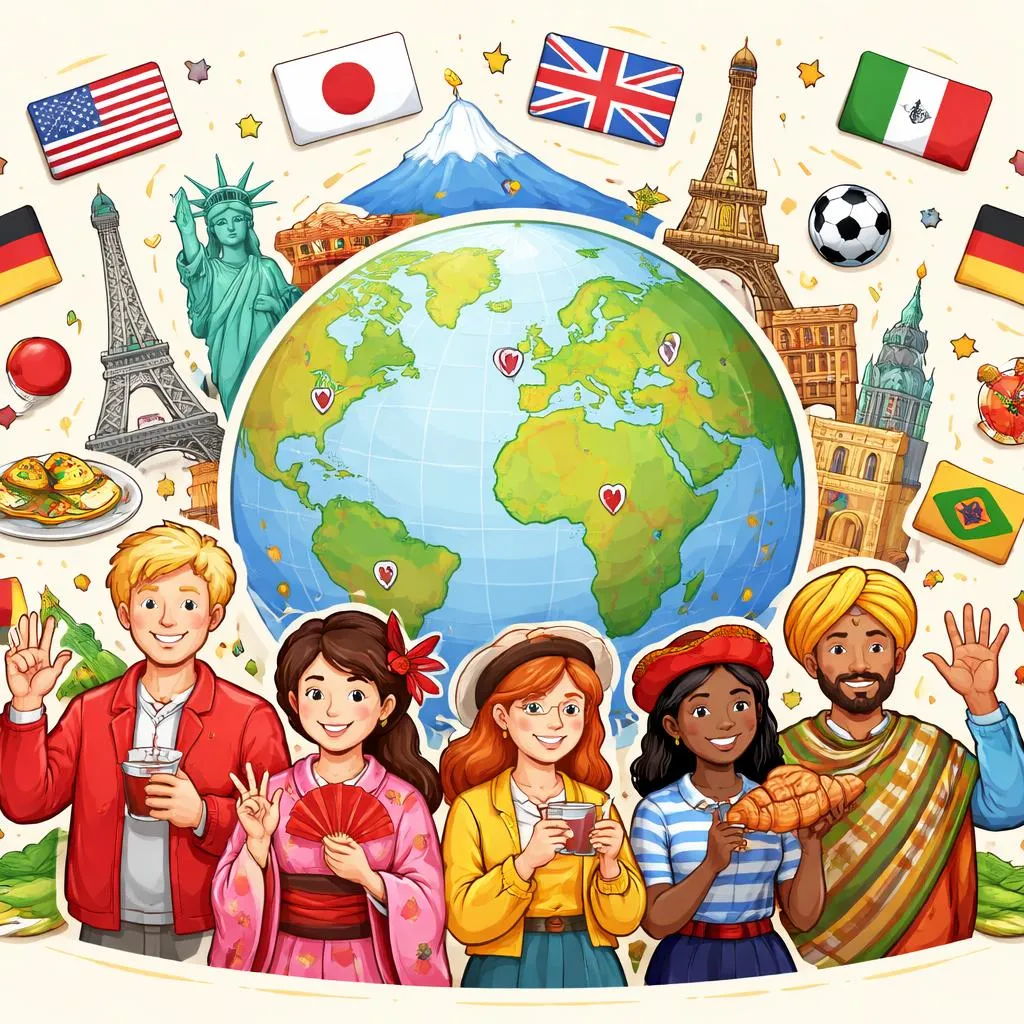
What Are Some Nationality Examples in English and How Are They Used?
