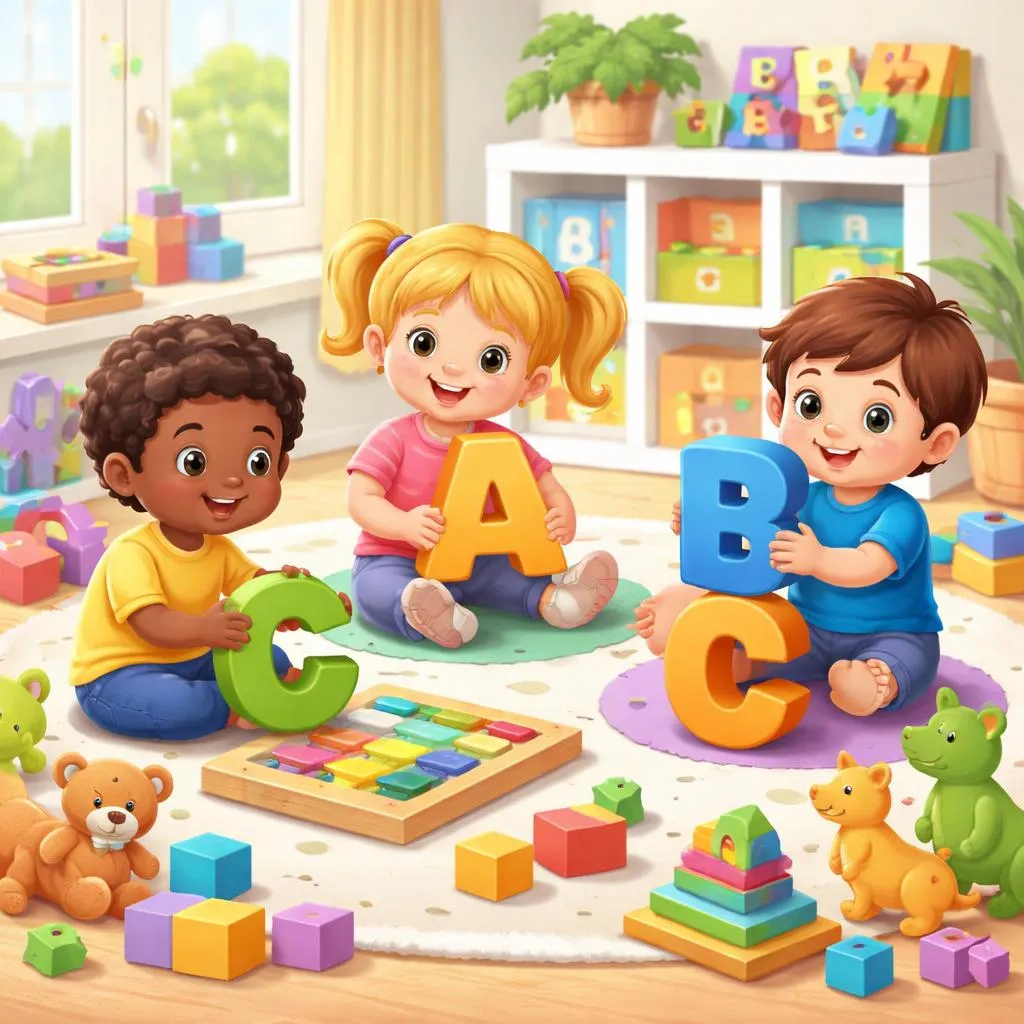

The alphabet is the foundation of reading and writing. Children need to know letter names and sounds. They need to recognize letters in print. They need to form letters with their hands. ABC learning activities make this important work feel like play. Children learn through songs, games, and hands-on exploration. They discover that letters are everywhere. They become excited about reading. Let us explore how to guide young learners through the alphabet with engaging activities that build strong foundations.
What Are ABC Learning Activities? ABC learning activities are games and exercises that teach the alphabet. They help children learn letter names, letter sounds, and letter shapes. They build the skills needed for reading and writing.
Types of ABC learning activities: Letter recognition - identifying letters by name Letter sounds - learning what sounds letters make Letter formation - learning to write letters Alphabet order - learning the sequence of letters Matching - matching uppercase and lowercase letters Sorting - grouping letters by different features
Skills developed through ABC activities: Phonemic awareness - hearing sounds in words Visual discrimination - seeing differences between letters Fine motor skills - controlling small muscles for writing Memory - remembering letter names and sounds Print awareness - understanding that print carries meaning
ABC activities should be playful and hands-on. Young children learn best when they are having fun. They need to touch, move, and explore.
Categories of ABC Learning Activities ABC activities can be organized by the skills they teach. Here are categories with examples.
Letter recognition activities: Alphabet books - read books that feature each letter Letter hunt - find letters in the classroom or environment Letter matching - match uppercase to lowercase letters Letter sort - sort letters by shape, lines, or curves Letter bingo - identify letters on a game board Letter puzzles - put letter pieces together
Letter sound activities: Sound sorting - sort pictures by beginning sounds I spy sounds - "I spy something that starts with B" Sound songs - sing songs that emphasize letter sounds Sound bags - pull objects from a bag and name the beginning sound Sound matching - match letters to pictures with that sound
Letter formation activities: Sand writing - trace letters in sand or salt Play dough letters - form letters with play dough Finger painting - paint letters with fingers Air writing - write letters in the air with large movements Tracing - trace letters with fingers or pencils Stamping - stamp letters with alphabet stamps
Multisensory alphabet activities: Texture letters - trace letters made from sandpaper or fabric Magnetic letters - arrange magnetic letters on a board Alphabet sensory bins - find letters hidden in rice or beans Letter cookies - form letter shapes with cookie dough Sidewalk chalk - write letters with chalk outside
Alphabet order activities: Alphabet song - sing the ABC song regularly Letter line - arrange letter cards in order Missing letter - figure out which letter is missing Alphabet puzzles - put letters in order on a puzzle board
Use a variety of activities to reach all learners. Some children learn best through songs. Others need hands-on exploration. Offer many options.
Daily Life Examples of ABC Learning The best alphabet learning happens in everyday moments. Here are examples of ABC activities in daily life.
Morning meeting: Start the day with the alphabet song. Point to a letter chart as you sing. Ask children to find letters in their names.
Story time: Read alphabet books. Point to letters as you read. Ask children to find letters they know. Talk about the sounds letters make.
Center time: Set up an alphabet center with magnetic letters, letter puzzles, and alphabet stamps. Children explore letters independently.
Snack time: Talk about the first letters of snack foods. "Apple starts with A." "Banana starts with B." Make letter shapes with pretzel sticks.
Outdoor play: Write letters with sidewalk chalk. Play letter hopscotch. Find letters on signs and license plates.
Writing time: Encourage children to write letters, even if they are not perfect. Celebrate their attempts. Provide examples to copy.
Transition times: Play letter games while waiting. "I'm thinking of a letter that starts with S." "Find something in the room that starts with M."
Name activities: Children's names are very meaningful. Practice the first letters of names. Compare names that start with the same letter.
Use these everyday moments to reinforce alphabet learning. Consistent exposure helps children remember.
Printable Flashcards for ABC Learning Flashcards provide visual support for learning letters. Here are ideas for creating and using them.
Uppercase letter cards: Create cards with clear uppercase letters. A, B, C, D through Z. Use a simple, clear font.
Lowercase letter cards: Create cards with lowercase letters. a, b, c, d through z. Children match uppercase to lowercase.
Picture cards: Create cards with pictures for each letter sound. A - apple, B - ball, C - cat, D - dog. Use these for sound activities.
Letter formation cards: Create cards showing the correct way to form each letter. Include arrows showing the order of strokes.
Alphabet sequence cards: Create cards with the whole alphabet in order. Use as a reference for children.
Letter hunt cards: Create cards with a letter and several pictures. Children circle the pictures that start with that letter.
Laminate the cards for durability. Keep them in a pocket chart for easy access. Use them for games, sorting, and daily review.
Learning Activities for the Alphabet Active learning helps children remember letters. Here are activities that work well in the classroom.
Alphabet Sensory Bin: Fill a bin with rice, beans, or sand. Add magnetic or plastic letters. Children dig for letters and name them when found.
Play Dough Letters: Provide play dough and letter mats. Children roll the dough into snakes and form them into letter shapes.
Letter Hunt: Hide letter cards around the room. Children search for them. When they find a letter, they name it and bring it to the group.
Alphabet Bingo: Create bingo cards with letters. Call out letters. Children cover the matching letter. First to cover a row wins.
Letter Sort: Provide a collection of magnetic letters. Children sort them into groups. Uppercase here. Lowercase there. Letters with curves. Letters with straight lines.
Name Puzzles: Write each child's name on a sentence strip. Cut between the letters. Children arrange the letters in order to spell their name.
Alphabet Books: Read alphabet books throughout the year. After reading, talk about the featured letter. Add it to an alphabet wall.
Letter of the Day: Focus on one letter each day. Introduce the letter name and sound. Find things that start with that letter. Practice writing it.
Educational Games for Alphabet Learning Games make alphabet learning joyful. Here are games for practicing letters.
Letter Memory Match: Create pairs of letter cards. Place them face down. Children take turns flipping two cards, trying to find matches. When they make a match, they name the letter.
Alphabet Go Fish: Create a deck of letter cards. Children play Go Fish asking for letters. "Do you have B?" This builds letter recognition through game play.
Letter Swat: Place letter cards on the table. Call out a letter. Two children race to swat the correct letter with a fly swatter. First to swat correctly wins.
Letter Hop: Place letter cards on the floor in a circle. Play music. Children walk around the circle. When the music stops, they stand on a letter and name it.
I Spy a Letter: Play I Spy with letters. "I spy a letter that is in your name." "I spy a letter that makes the /m/ sound." Children guess the letter.
Letter Bingo: Create bingo cards with letters. Call out letters. Children cover the matching letter. First to cover a row wins.
Alphabet Scavenger Hunt: Give children a clipboard with a list of letters. They search the classroom for each letter in print. They check off letters as they find them.
Connecting Letters to Sounds Learning letter names is important. Learning letter sounds is essential for reading. Here are activities that connect letters to sounds.
Beginning Sound Sort: Provide picture cards and letter cards. Children sort pictures by their beginning sound and place them with the correct letter.
Sound Bags: Fill bags with small objects. Each bag contains objects that start with one letter. Children pull out objects and name the beginning sound.
Alphabet Song with Sounds: Sing the alphabet song but add sounds. "A says /a/, B says /b/, C says /c/..." This connects letter names to sounds.
Sound Hunt: Go on a sound hunt around the classroom. "Find something that starts with /b/." Children search and bring items to share.
Mystery Sound Game: Hold up a picture. Children say the word and identify the beginning sound. They find the letter that makes that sound.
Letter Sound Puzzles: Create puzzles with two pieces. One piece has a letter. One piece has a picture. Children match the letter to the picture with that sound.
Sound Songs: Sing songs that emphasize letter sounds. "Apples and bananas" is a favorite for vowel sounds.
Using Names for Alphabet Learning Children's names are the most meaningful words to them. Names are perfect for alphabet learning.
Name Chart: Create a chart with every child's name. Point to names during morning meeting. Talk about the first letter of each name.
Name Comparison: Compare names that start with the same letter. "Maria and Malik both start with M." "Look, M is for Maria and M is for Malik."
Name Puzzles: Write each child's name on a sentence strip. Cut between the letters. Children arrange the letters to spell their name.
Name Graphing: Graph how many children have names that start with each letter. Which letter has the most names?
Name Writing: Provide opportunities for children to write their names. Name cards provide a model. Celebrate every attempt.
Name Letter Hunt: Children search for letters from their name in the classroom. They can circle them in books or find them on charts.
Name Songs: Sing songs that include children's names. "Who has a name that starts with J? Juan starts with J!" This builds community and letter knowledge.
Creating an Alphabet-Rich Environment The classroom environment should support alphabet learning. Here are ideas for creating an alphabet-rich space.
Alphabet Wall: Display the alphabet at children's eye level. Include uppercase and lowercase letters. Add pictures for each letter sound.
Name Displays: Display children's names prominently. Use name cards on tables, cubbies, and the helper chart. Children see their names every day.
Labeled Objects: Label classroom objects with words. Children see that print carries meaning. They notice letters in familiar words.
Alphabet Books: Keep a basket of alphabet books in the reading center. Include a variety of styles and themes. Change them throughout the year.
Letter Manipulatives: Provide magnetic letters, letter puzzles, alphabet stamps, and letter tiles. Children explore letters with their hands.
Writing Center: Set up a writing center with paper, pencils, markers, and alphabet cards. Children practice writing letters and words.
Environmental Print: Display familiar logos and signs. Children recognize letters in McDonald's, Target, and other familiar places.
ABC learning activities build the foundation for all future reading and writing. Children who know their letters and sounds have a head start on literacy. They approach books with confidence. They understand how print works. They begin to make connections between letters and words. With songs, games, and hands-on exploration, alphabet learning becomes a joyful adventure. Children discover that letters are everywhere. They become excited about reading. And that excitement lasts a lifetime.