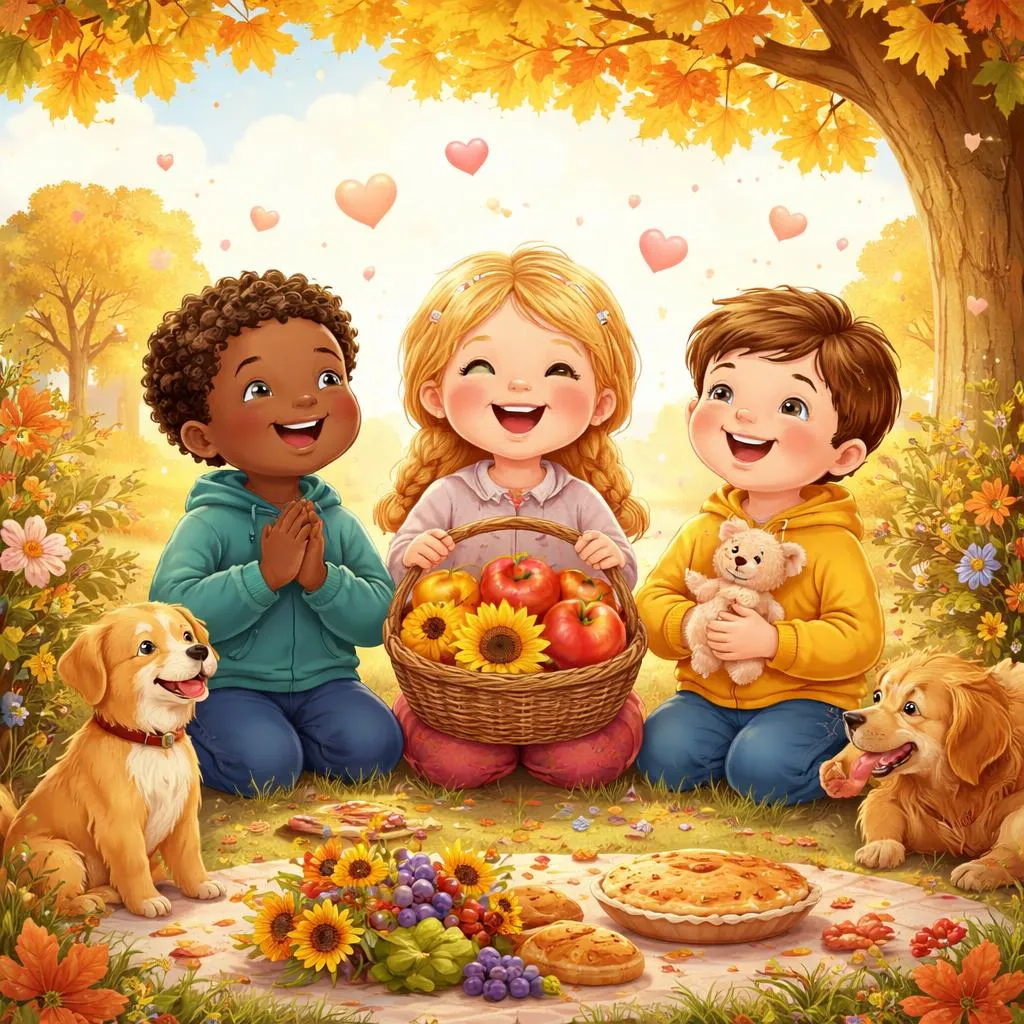

What Is a Children's Story on Thankfulness? Let us explore this meaningful genre of children's literature together. A children's story on thankfulness focuses on gratitude and appreciation. Characters learn to notice and appreciate the good things in life. They discover that thankfulness is more than just saying "thank you." It is an attitude of the heart that notices blessings. The stories show characters who are grateful for big and small things. A warm home, food to eat, and people who love them. Characters learn to say thank you to God and to others. They discover that grateful people are happier people. The stories often show characters who start out ungrateful. Through events in the story, they learn to appreciate what they have. The happy ending shows them transformed by gratitude.
Meaning and Purpose of Thankfulness Stories These stories serve several important purposes in character development. They teach children to notice the good things in their lives. Gratitude is a skill that can be learned and practiced. The stories also build contentment and reduce complaining. Grateful children are less focused on what they lack. The narratives also strengthen relationships with others. Thankful children express appreciation to family and friends. This builds stronger bonds and positive connections. The stories also encourage thankfulness to God for blessings. Children learn that every good gift comes from above. Gratitude also builds resilience during hard times. Thankful people can find blessings even in difficulties. These stories plant seeds of gratitude that grow throughout life.
Common Elements in Thankfulness Stories We can identify several elements common to thankfulness narratives. A character starts the story feeling ungrateful or discontent. They want more or different things than they have. Something happens that changes their perspective. They might see someone with less than they have. They might lose something they took for granted. A wise person helps them see their blessings clearly. A parent, teacher, or friend points out what they have. The character begins to notice all the good things. They make a list or think about their blessings. They express thanks to God and to others. The character becomes happier and more content. The story ends with gratitude as a new habit.
Vocabulary Learning from Thankfulness Stories Thankfulness stories introduce rich gratitude vocabulary for children. Thankfulness means the quality of being grateful and appreciative. Gratitude means the quality of being thankful; readiness to show appreciation. Appreciation means recognition of the good qualities of someone or something. Blessing means a gift from God or something that brings happiness. Contentment means a state of happiness and satisfaction. Grateful means feeling or showing thanks for something received. Thankful means pleased and relieved; expressing gratitude. Count means to say numbers in order, also used for naming blessings. Notice means to become aware of something by seeing or hearing. Attitude means a settled way of thinking or feeling. We can teach these words with examples from stories. Use them in sentences about times children felt grateful.
Phonics Points in Thankfulness Stories Thankfulness stories provide useful phonics practice with gratitude vocabulary. Thankfulness has the TH digraph and short A and FUL and NESS. Gratitude has the GR blend and short A and long U. Appreciation has the short A and long E and long A and SH sound. Blessing has the BL blend and short E and ING. Contentment has the short O and short E and short E and MENT. Grateful has the GR blend and long A and FUL suffix. Thankful has the TH digraph and short A and FUL suffix. Count has the C sound and OU diphthong and NT blend. Notice has the long O and short I and soft C. Attitude has the short A and short I and long U. We can focus on one sound pattern from each story. Find all words with that sound in the thankfulness tale. Write them on leaf or heart shapes for practice.
Grammar Patterns in Thankfulness Narratives Thankfulness stories model useful grammar for young readers naturally. Past tense tells what happened in the story. "Yesterday Maya felt unhappy with her toys." Present tense describes what gratitude means generally. "Thankful people notice blessings every day." Future tense shows intentions to be more grateful. "Tomorrow I will say thank you for three things." Questions explore what we are thankful for. "What are you grateful for today?" "How do you feel when you give thanks?" Commands appear in gratitude practices. "Count your blessings." "Say thank you often." Descriptive language paints grateful scenes. "The happy, thankful girl hugged her mother with joy." Prepositional phrases describe what we are thankful for. "For family, for food, for friends, for home." We can point out these patterns during reading.
Daily Life Connections Through Thankfulness Stories Thankfulness stories connect directly to children's daily experiences. Children receive gifts for birthdays and holidays. They learn to say thank you for what they get. Mealtime prayers often include thank you to God. Many families give thanks before eating together. Children have many blessings to notice each day. Food, clothing, home, and family are all gifts. Saying thank you to parents and teachers happens daily. Children express appreciation for help and kindness. Comparing with others happens naturally to children. They notice what friends have that they don't. Thankfulness stories help them appreciate their own blessings. We can point out these connections during reading. "You said thank you for your snack today." "We thank God for our food at dinner."
Learning Activities for Thankfulness Stories Many activities deepen understanding of gratitude themes. Create a gratitude jar where children add notes of thanks. Read them together at the end of each week. Make a thankfulness tree with paper leaves for blessings. Add a leaf each day with something to be thankful for. Start a gratitude journal with daily entries. Draw or write one thing to thank God for each day. Practice saying thank you in different situations. Role-play receiving gifts, help, and kind words. Create thank you cards for people who help us. Give them to parents, teachers, and community helpers. Make a blessings collage with pictures of things to be thankful for. Cut out magazine pictures or draw your own. These activities make thankfulness a daily practice.
Printable Materials for Thankfulness Learning Printable resources support deep engagement with gratitude themes. Create a gratitude journal template with daily prompts. "Today I am thankful for..." with space to draw and write. Design thankfulness cards with sentence starters for writing. "I am grateful for..." "Thank you for..." Make a blessings scavenger hunt checklist for home or classroom. Find things to be thankful for in every room. Create a thankfulness tree template with leaves to cut out. Write blessings on leaves and add to tree display. Design a thank you card template for various occasions. Birthday, thank you, just because, and blank included. Make a gratitude alphabet chart listing something for each letter. A is for apples, B is for books, C is for cat. These printables structure thankfulness exploration activities effectively.
Educational Games About Thankfulness Games make gratitude learning playful and interactive. Play "Thankfulness Circle" where each person shares something they're thankful for. Pass a talking piece around the circle. Create "Gratitude Bingo" with blessings on cards. Mark when you notice each blessing during the day. Play "Thankful Charades" acting out things to be thankful for. Family, food, pets, home, friends, and school appear. Design "Gratitude Scavenger Hunt" finding specific blessings. Find something soft, something warm, something that makes you smile. Play "Count Your Blessings" relay naming thanks quickly. Teams race to name things they're thankful for. Create "Thankful Memory" matching pictures of blessings with words. Match home with house picture, family with people picture. These games build gratitude awareness through active participation.
Teaching That Thankfulness Is a Choice Thankfulness stories emphasize that gratitude is a choice. It's not about having more or better things. It's about noticing and appreciating what we have. Two people can have the same circumstances. One is grateful, the other complains constantly. The difference is in their attitude and choice. Children can learn to choose thankfulness. They can decide to notice blessings instead of problems. They can choose to say thank you even when sad. This choice becomes easier with practice. Gratitude becomes a habit that shapes character. Thankful people are happier people always. Children can make this choice starting today.
The Difference Thankfulness Makes Thankfulness changes how we experience life completely. Grateful people notice good things everywhere. Ungrateful people miss blessings all around them. Grateful people enjoy what they have more. They savor and appreciate their blessings. Ungrateful people always want something else. They never feel satisfied with what they have. Grateful people have better relationships. They express appreciation to others regularly. Ungrateful people take others for granted. Grateful people are more resilient in hard times. They can find blessings even when struggling. This difference affects every area of life. Thankfulness truly transforms how we live.
Thankfulness to God Many thankfulness stories include gratitude to God. They teach that every good gift comes from above. God provides food, family, home, and all blessings. Thanking God is a natural response to his goodness. Prayer becomes a conversation of thanks and praise. Children learn to talk to God about their gratitude. They thank him for specific blessings each day. This builds a personal relationship with God. Gratitude to God deepens faith and trust. Children learn that God is the source of all good things. Thanking him becomes a joyful habit. The foundation for lifelong faith is laid.