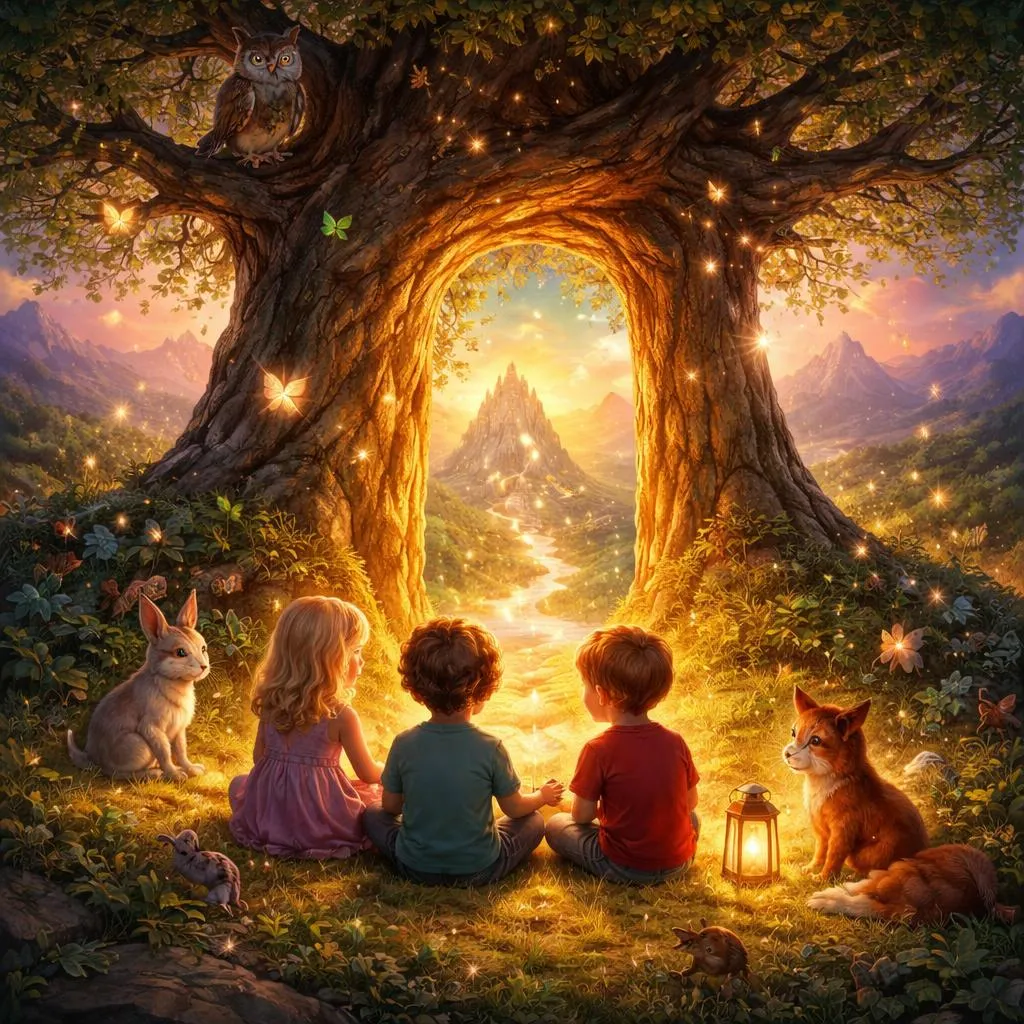

What Are Allegorical Children's Stories? Let us explore this rich genre of children's literature together. Allegorical children's stories have a deeper meaning beneath the surface story. Characters and events represent ideas larger than themselves. The story works on two levels at the same time. The surface story entertains with engaging plots and characters. The deeper level teaches moral, spiritual, or philosophical truths. Children may enjoy the story without understanding the allegory. Adults often appreciate the deeper meanings they missed as children. Classic examples include "The Lion, the Witch and the Wardrobe." Aslan represents Jesus in this beloved tale. "The Pilgrim's Progress" is another famous allegory. "The Little Prince" contains allegorical elements about human nature. These stories reward reading at every age and stage.
Meaning and Purpose of Allegorical Stories Allegorical stories serve several important purposes in children's development. They introduce complex ideas through accessible narratives. Abstract concepts become concrete through story elements. Children absorb truths without needing to understand them fully. The stories also reward repeated reading across a lifetime. New meanings emerge as readers mature and gain experience. Allegories also create safe spaces to explore difficult topics. Death, loss, and suffering can be examined symbolically. The stories also build critical thinking about multiple meanings. Children learn that stories can say more than they seem to. This skill transfers to all kinds of texts and media. Allegories also connect generations through shared literary experiences.
Common Elements in Allegorical Stories We can identify several elements common to allegorical narratives. Characters often represent abstract concepts or ideas. A character might stand for courage, greed, faith, or hope. Events in the story symbolize real-world situations. A battle might represent internal struggle against temptation. Settings can represent spiritual or emotional states. A dark forest might symbolize confusion or despair. Objects often carry symbolic meaning beyond themselves. A key might represent knowledge or access to truth. Numbers may have symbolic significance in the story. Seven often represents completeness or perfection. The story has two levels of meaning operating simultaneously. The surface story works on its own as engaging narrative.
Categories of Allegorical Stories We can organize allegorical stories into several helpful categories. Religious allegories explore spiritual truths and faith. C.S. Lewis's Narnia books are the most famous examples. Moral allegories teach lessons about right and wrong. George Orwell's "Animal Farm" works for older children. Political allegories comment on government and society. Some fairy tales contain political allegory elements. Philosophical allegories explore questions about existence. "The Little Prince" falls into this category. Personal allegories represent internal psychological struggles. Characters might represent different parts of one person. Social allegories examine how people live together. Community, justice, and fairness appear in these tales.
Vocabulary Learning from Allegorical Stories Allegorical stories introduce rich literary vocabulary for children. Allegory means a story with a hidden meaning beneath the surface. Symbol means something that represents something else. Represent means to stand for or be a symbol of. Abstract means existing as an idea but not physically. Concrete means existing in a material, physical form. Meaning refers to what something signifies or represents. Interpret means to explain the meaning of something. Moral means a lesson about right and wrong behavior. Spiritual means relating to deep feelings and beliefs. Philosophical means relating to the study of fundamental truths. We can teach these words with examples from allegories. Use them in sentences about stories children know.
Phonics Points in Allegorical Stories Allegorical stories provide useful phonics practice with varied vocabulary. Allegory has the short A and short E and short O and long E. Symbol has the short I and short O and L sound. Represent has the short E and short E and short E and short E and NT. Abstract has the short A and short A and CT. Concrete has the short O and short E and long E and T. Meaning has the long E and long E and ING. Interpret has the short I and short E and short E and T. Moral has the short O and short A and L sound. Spiritual has the SP blend and short I and short I and short A and L. Philosophical has the short I and short O and short O and short I and short A and L. We can focus on one sound pattern from each allegory. Find all words with that sound in the allegorical tale. Write them on key or door shapes for practice.
Grammar Patterns in Allegorical Narratives Allegorical stories model useful grammar for young readers naturally. Past tense carries the main narrative throughout. "Four children entered the wardrobe and discovered Narnia." Present tense appears in dialogue and timeless truths. "Once a king or queen in Narnia, always a king or queen." Future tense shows what will happen in the story. "Aslan will return when the time is right." Questions explore deeper meanings. "Why did the Witch tempt Edmund with Turkish delight?" "What does Aslan's sacrifice mean?" Commands appear in moments of guidance. "Trust the lion." "Do not eat the enchanted food." Descriptive language paints both surface and symbolic pictures. "The great, golden lion walked slowly toward the stone table." Prepositional phrases describe locations. "In the wardrobe, through the forest, at the stone table." We can point out these patterns during reading.
Daily Life Connections Through Allegorical Stories Allegorical stories connect to children's experiences in meaningful ways. Children understand stories about good and evil. They recognize courage, kindness, and selfishness in themselves. The symbolic level may be beyond them initially. But the surface story teaches valuable lessons anyway. As children grow, they begin to notice deeper meanings. They might suddenly understand what a story was really about. This "aha" moment is exciting and empowering. Allegories grow with children throughout development. A story read at five means one thing. The same story at ten means something more. At fifteen, even deeper meanings emerge. This makes allegories perfect for family reading. Everyone gets something different from the same tale.
Learning Activities for Allegorical Stories Many activities deepen understanding of allegorical themes. Read the story first for surface enjoyment and plot. Discuss what happened and who the characters were. Read again looking for possible deeper meanings. What might characters and events represent? Create a chart comparing surface and symbolic levels. List what each character might stand for. Draw pictures showing both levels of meaning. Illustrate the surface story and the deeper truth. Write about what the story means to you personally. How does it connect to your life and experiences? Compare different interpretations with classmates. Notice how meanings can vary between readers. These activities build analytical thinking about literature.
Printable Materials for Allegorical Learning Printable resources support deep engagement with allegorical themes. Create a two-level chart for tracking surface and symbolic meanings. List characters, events, and objects on both levels. Design vocabulary cards with allegory terms and definitions. Allegory, symbol, represent, abstract, concrete, interpret, moral included. Make a "What It Might Mean" prediction sheet for symbols. Write guesses about symbolic meanings before discussing. Create a comparison chart for different allegorical stories. List title, surface story, and possible deeper meanings. Design a creative writing template for original allegories. Plan surface story and hidden meaning separately. Make an allegory discovery journal for noting insights. Record "aha" moments when meanings become clear. These printables structure allegory exploration effectively.
Educational Games About Allegorical Stories Games make allegory learning playful and interactive. Play "Symbol Match" pairing symbols with possible meanings. Match lion with courage or royalty, winter with death or dormancy. Create "Surface or Symbol" sorting story elements. Decide whether an element is surface story or deeper meaning. Play "Allegory Charades" acting out concepts from allegories. Act out sacrifice, betrayal, redemption, or hope. Design "Two Levels Bingo" with surface and symbolic elements on cards. Mark when elements appear in discussion or reading. Play "What Does It Mean?" with objects from allegorical stories. Discuss possible symbolic meanings of keys, doors, water, light. Create "Allegory Detectives" hunting for clues to deeper meaning. Work in teams to uncover hidden messages. These games build allegory awareness through active participation.
Teaching That Stories Can Have Layers Allegories teach children that stories can have multiple meanings. The surface story is like the tip of an iceberg. Deeper meanings lie beneath the surface waiting to be found. This discovery process is exciting and engaging. Children become active readers, not passive consumers. They look for clues and make connections. They discuss possibilities with others. They learn that their interpretations matter. There may not be one single correct meaning. Multiple valid interpretations can coexist. This builds confidence in literary analysis. Children trust their own insights and observations. They become lifelong thoughtful readers.
Why Allegories Work for Children Allegories work wonderfully for children for several reasons. The surface story engages them completely. They love the adventure, characters, and plot. They don't need to understand deeper meanings to enjoy the story. But the deeper truths are still reaching them. They absorb values and ideas through the narrative. When they're ready, the deeper meanings emerge. The story has been waiting for them all along. This makes allegories perfect for repeated reading. Each encounter offers something new. Children never outgrow these stories completely. They simply understand them differently at each age. This is the magic of allegorical literature.