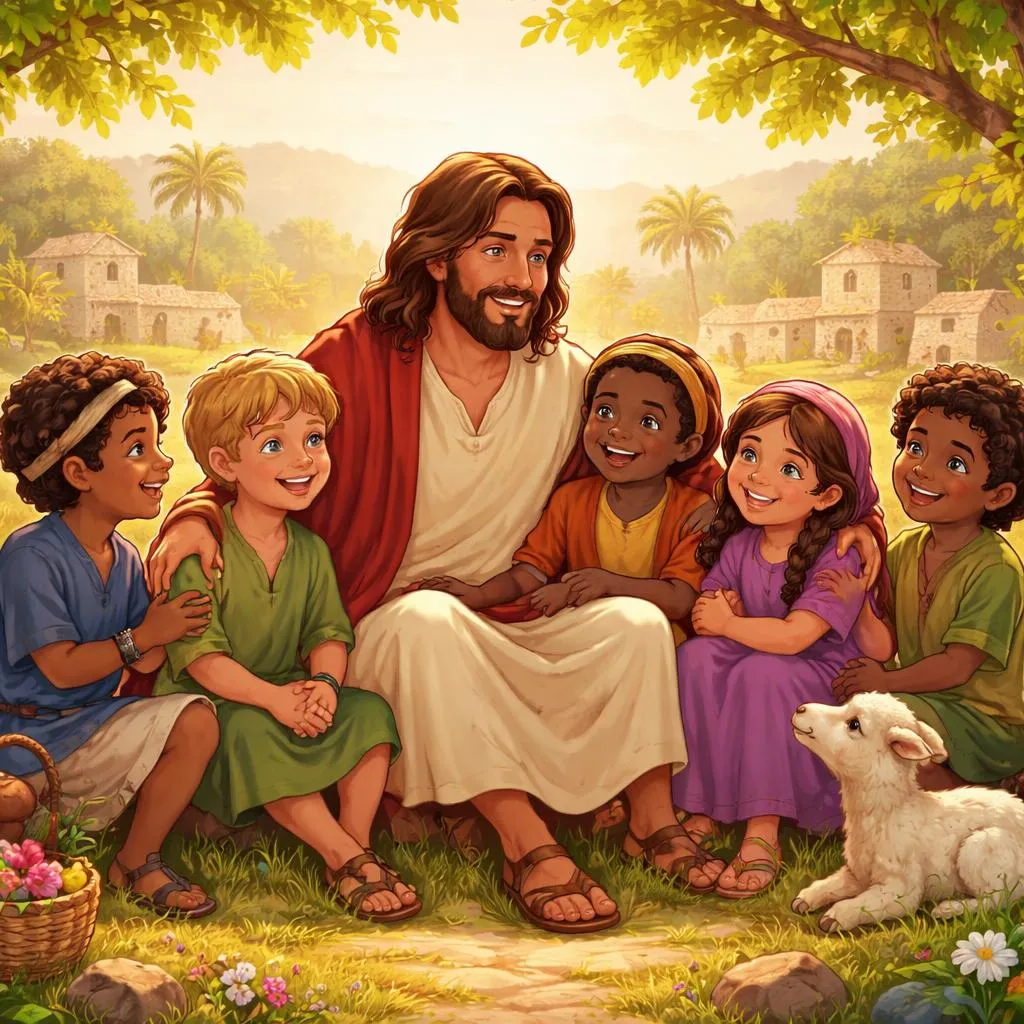

What Are Children's Bible Stories About Friendship? Let us explore these heartwarming biblical narratives together. Children's Bible stories about friendship focus on relationships between characters. They show how people in the Bible cared for each other. These stories demonstrate loyalty, kindness, and sacrifice for friends. David and Jonathan share one of the most famous friendships. Ruth and Naomi show loyalty between daughter-in-law and mother-in-law. Jesus and his disciples model friendship with a purpose. The stories reveal what true friendship looks like in action. Characters make choices that put friends first often. They show that friendship requires effort and commitment. These narratives provide wonderful examples for children to follow. The friendships in the Bible cross age, culture, and circumstance.
Meaning and Purpose of Friendship Stories These stories serve several important purposes in faith formation. They model what healthy friendships look like in real life. Children learn that friends support each other through difficulties. The stories also show that friendship involves sacrifice sometimes. True friends give up something for the other's good. The narratives also reveal that God values friendship deeply. Jesus called his disciples friends, not just followers. Children learn that friendship is a gift from God. The stories also build understanding of loyalty and commitment. Friends stay together even when times get hard. The narratives provide language for discussing friendship values. Words like loyal, faithful, and devoted gain meaning through stories. Children internalize these concepts through repeated exposure.
David and Jonathan: A Covenant Friendship David and Jonathan share one of the Bible's most beautiful friendships. Jonathan was the son of King Saul, who hated David. Despite his father's jealousy, Jonathan loved David deeply. They made a covenant promising lifelong loyalty to each other. Jonathan protected David from Saul's murderous plans repeatedly. He warned David when danger was coming. Jonathan gave David his own robe and armor as gifts. This showed Jonathan's recognition of David's future kingship. Their friendship endured despite the cost to Jonathan. He knew David would become king instead of him. Yet Jonathan rejoiced in David's success and blessing. This selfless love models true friendship for children always. Friends want what is best for each other, not selfish gain.
Ruth and Naomi: Loyalty Across Generations Ruth and Naomi demonstrate friendship that crosses age and culture. Naomi was an older widow from Israel. Ruth was her young Moabite daughter-in-law. After both women lost their husbands, Naomi urged Ruth to stay home. She thought Ruth would have a better life among her own people. But Ruth refused to leave Naomi alone and vulnerable. Her famous words express complete loyalty and commitment. "Where you go I will go, and where you stay I will stay. Your people will be my people and your God my God." Ruth worked hard to provide food for them both. She gleaned in fields to support Naomi faithfully. Their friendship led to Ruth marrying Boaz and having a family. This family line continued to King David and eventually Jesus. Selfless friendship became part of God's great plan for salvation.
Jesus and His Disciples: Friends With Purpose Jesus modeled friendship with his chosen disciples intentionally. He called them friends, not servants, in a radical statement. "I have called you friends, for everything I learned from my Father I have made known to you." He shared his life, teaching, and mission with them completely. He ate with them, traveled with them, and taught them constantly. He trusted them to carry on his work after he left. Jesus also showed friendship through serving his disciples. He washed their feet, a task usually done by servants. He forgave them when they failed and misunderstood repeatedly. He restored Peter after denial with gentle questions. He prepared breakfast for them after the resurrection. This friendship had purpose beyond just enjoying each other's company. Jesus prepared them to change the world with his message.
Vocabulary Learning from Friendship Stories Friendship stories introduce rich relational vocabulary naturally. Friend means a person whom one knows and likes deeply. Loyal means faithful and true to commitments made. Faithful means keeping promises and staying true always. Covenant means a sacred agreement between people or with God. Trust means believing someone is reliable and honest. Kindness means being friendly, generous, and considerate toward others. Selfless means caring more about others than yourself. Sacrifice means giving up something for someone else's good. Encourage means giving support, confidence, and hope to someone. Protect means keeping someone safe from harm or danger. We can teach these words with examples from Bible stories. Use them in sentences about characters children know.
Phonics Points in Friendship Stories Friendship stories provide useful phonics practice with relational language. Friend has the FR blend and long E and ND blend. Loyal has the LOY combination and L sound. Faithful has the long A and FUL suffix and L sound. Covenant has the short O and short E and short A. Trust has the TR blend and short U and ST blend. Kindness has the long I and ND blend and NESS suffix. Selfless has the short E and less suffix. Sacrifice has the short A and short I and soft C. Encourage has the short E and long O and GE. Protect has the short O and short E and CT ending. We can focus on one sound pattern from each story. Find all words with that sound in the friendship tale. Write them on heart or handshake shapes for practice.
Grammar Patterns in Friendship Narratives Friendship stories model useful grammar for young readers naturally. Past tense tells what happened in these biblical friendships. "David and Jonathan made a covenant of friendship." Present tense describes what friendship means generally. "True friends love each other through good times and bad." Future tense shows how friendships continue affecting lives. "Ruth's loyalty will be remembered forever." Questions explore friendship dynamics and choices. "Why did Jonathan help David even knowing he would be king?" "How did Ruth show loyalty to Naomi?" Commands appear in expressions of commitment. "Do not leave me." "Stay with me." Descriptive language paints relational scenes vividly. "The faithful, loving Ruth worked hard to provide for Naomi." Prepositional phrases describe relationships between friends. "With her friend, beside Naomi, through difficulties." We can point out these patterns during reading.
Daily Life Connections Through Friendship Stories Friendship stories connect to children's everyday experiences meaningfully. Children have best friends they love spending time with. They understand the joy of having someone special. They also experience friendship challenges and conflicts sometimes. The Bible stories show how to navigate these difficulties. Choosing a friend's good over your own happens in life. Sharing, helping, and encouraging are daily opportunities. Standing by someone when others turn away matters. Children know what it feels like to need a loyal friend. They also know what it feels like to be that friend. The stories validate these experiences and provide guidance. We can point out connections during reading naturally. "You helped your friend like Jonathan helped David." "That was loyal like Ruth staying with Naomi."
Learning Activities for Friendship Stories Many activities deepen understanding of biblical friendship themes. Create a friendship covenant like David and Jonathan made. Write promises of how to be a good friend to others. Make a loyalty chain showing ways to show friendship. Link paper strips with kind actions written on them. Act out the story of Ruth and Naomi's loyalty. Practice the famous words Ruth spoke to Naomi. Draw pictures of Jesus washing the disciples' feet. Discuss what serving friends looks like today. Create a friendship book listing qualities of good friends. Illustrate each quality with examples from Bible stories. Write thank you notes to friends who have shown kindness. Describe what their friendship means to you personally. These activities make biblical friendship concepts tangible.
Printable Materials for Friendship Lessons Printable resources support deep engagement with friendship themes. Create friendship cards with Bible verses about friendship. "A friend loves at all times" from Proverbs included. Design a friendship comparison chart for David/Jonathan and Ruth/Naomi. List similarities and differences between these friendships. Make vocabulary cards with friendship words and definitions. Friend, loyal, faithful, covenant, trust, kindness included. Create a friendship covenant template for children to complete. Write promises to be a good friend to others. Design a friendship acrostic using the word FRIEND. Each letter starts a sentence about friendship qualities. Make a friendship journal for recording kind acts. Note times when showing friendship to others each day. These printables structure friendship exploration activities effectively.
Educational Games About Bible Friendships Games make friendship learning playful and interactive. Play "Friendship Charades" acting out Bible friendship scenes. David and Jonathan, Ruth and Naomi, Jesus and disciples appear. Create "Match the Friends" pairing biblical friends with their stories. Match David with Jonathan, Ruth with Naomi. Play "Who Said It?" matching quotes with friends who spoke. "Where you go I will go" matches Ruth. Design "Friendship Bingo" with friendship qualities on cards. Loyal, faithful, kind, helpful, protective, encouraging included. Play "Friendship Freeze" where children freeze in friendly poses. Show helping, sharing, encouraging, and protecting poses. Create "Friendship Web" passing yarn while sharing compliments. Connect everyone in classroom friendship web visibly. These games build friendship awareness through active participation.
Teaching About Jesus as Friend Jesus modeled friendship in ways children can understand. He spent time with his friends, eating and talking together. He listened to their concerns and answered their questions. He taught them important things about God and life. He protected them from danger and stood up for them. He forgave them when they made mistakes or failed. He trusted them with important work and responsibilities. He even died for his friends, the ultimate sacrifice. Children can learn that Jesus is their friend too. They can talk to him in prayer like talking to friend. They can trust him to listen and care about them. This personal friendship with Jesus matters for faith development.
Applying Friendship Lessons Today Bible friendship stories apply directly to children's lives today. David and Jonathan show that friends can be honest always. They told each other the truth even when hard. Ruth and Naomi show that friends help practically. Ruth worked to provide food for them both. Jesus and disciples show that friends spend time together. They ate, walked, and talked regularly. These examples give children concrete ways to be good friends. Being honest, helpful, and present matters daily. The stories also show that friendships require effort. Good relationships don't just happen; they are built. Children learn to invest in friendships intentionally and carefully.
The Blessing of Friendship The Bible presents friendship as a gift from God to treasure. Good friends make life richer, happier, and more meaningful. They share joys and sorrows, successes and failures. They encourage us when we feel discouraged and alone. They celebrate with us when good things happen. They challenge us to be better people than we are. They see our potential and believe in us always. The Bible friendships show these gifts beautifully. David had Jonathan when facing Saul's anger. Ruth had Naomi when starting a new life. The disciples had each other after Jesus returned to heaven. Children learn that friendship is worth seeking and keeping. They understand that good friends are blessings from God.