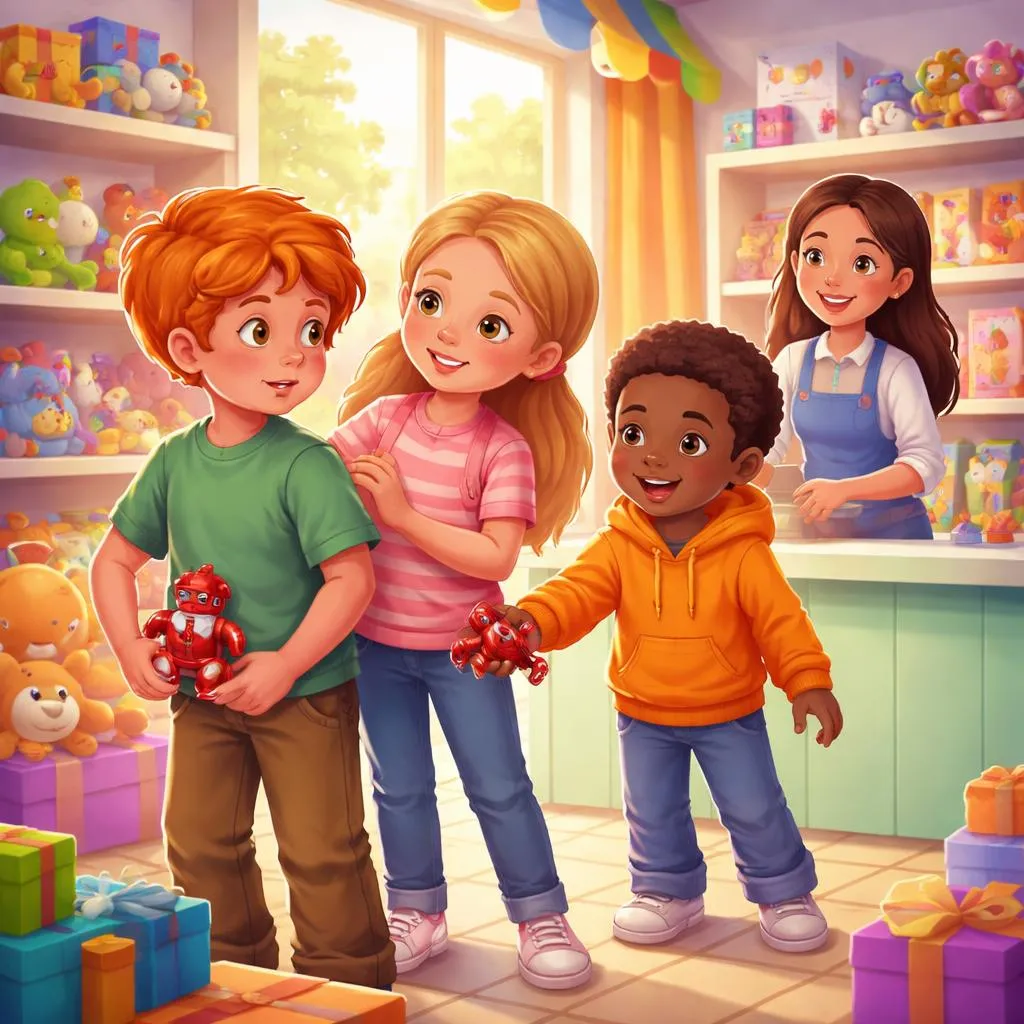

Young children often struggle with the concept of ownership. What belongs to me? What belongs to someone else? Why cannot I take things I want? These questions arise naturally in early childhood. Children's story books about stealing address these questions with gentleness and wisdom. They feature characters who take something that does not belong to them. They show the feelings that follow. They reveal the importance of honesty and making things right. This article explores how teachers can use these stories to help children develop a strong sense of integrity and respect for others' belongings.
What Are Children's Story Books About Stealing? Children's story books about stealing are narratives that explore the theme of taking what does not belong to you. The main character takes something. A toy from a friend. Money from a parent's wallet. Candy from a store. Something from a classroom. The story follows what happens next. The character may feel guilty. They may hide what they did. They may face consequences. Eventually, they learn to tell the truth and make amends. The story ends with forgiveness and the chance to do better. These books do not shame children. They acknowledge that taking things can be tempting. They show that everyone can make mistakes and learn from them.
Meaning and Explanation Behind Stealing Stories Stealing stories address several important developmental concepts. First, they teach about ownership. Young children are still learning that things belong to specific people. They may see something they want and simply take it. Stories help them understand that this causes problems.
Second, they explore feelings. The child who loses something feels sad and angry. The child who took something feels guilty and scared. These emotions become clear through the story. Children learn that stealing hurts everyone involved.
Third, they model what to do after a mistake. The character must admit what they did. They must return the item. They must apologize. They may need to face consequences. This shows that mistakes can be fixed. It is never too late to make things right.
Fourth, they build empathy. Seeing the story from both sides helps children imagine how others feel. The victim's pain becomes real. The thief's regret becomes understandable. This dual perspective builds emotional intelligence.
Categories or Lists of Stealing Story Books Children's story books about stealing appear in several forms.
Accidental Taking Stories: The character takes something without meaning to.
A child picks up a toy that looks like theirs.
Someone borrows without asking and forgets to return.
Finding something and keeping it instead of seeking the owner.
Temptation Stories: The character wants something very badly.
A beautiful pen on the teacher's desk.
Candy in a store when no one is watching.
A friend's special toy that is not for sharing.
Peer Pressure Stories: Friends influence the decision.
A friend says it is okay to take it.
Everyone else is doing it.
Being dared to take something.
Making Amends Stories: Focus on what happens after taking.
Living with guilt and fear.
Deciding to tell the truth.
Returning the item and apologizing.
Finding ways to make up for the wrong.
Forgiveness Stories: Emphasize the response of the wronged person.
The owner forgives the taker.
Understanding why the person took it.
Giving a second chance.
Classroom and School Stories: Situations that happen in educational settings.
Taking supplies from the class bin.
Pocketing a classroom book.
Taking someone's snack.
Daily Life Examples from Stealing Stories Children's story books about stealing connect directly to classroom experiences. A child who takes a crayon from another's desk recognizes the story. Someone who finds a toy and keeps it sees themselves. The child who accidentally brings home classroom scissors understands.
Teachers can draw these connections gently. "Remember how the character in our story felt after taking the toy? That is how we feel inside when we know we have done something wrong." "The story showed that we can always make things right. It is never too late to tell the truth."
The stories also provide language for addressing real incidents. Instead of accusing, a teacher can say, "This reminds me of a story we read. In that story, the character took something and then felt very worried. They felt better after telling the truth." This approach reduces shame and opens the door to confession.
Vocabulary Learning from Stealing Stories These stories introduce important moral vocabulary.
Honesty Words: Honest, truth, lie, confess, admit, apologize, forgive, forgive, trust.
Ownership Words: Mine, yours, theirs, belong, owner, property, borrow, lend, return, keep.
Emotion Words: Guilty, ashamed, worried, scared, relieved, sorry, sad, angry, forgiving.
Action Words: Take, steal, borrow, return, give, share, hide, find, lose, replace.
Consequence Words: Consequence, punishment, forgiveness, second chance, lesson, learn.
Teachers can introduce these words during and after reading. Point them out in the text. Use them in discussions about real classroom situations. The vocabulary becomes meaningful through connection to moral concepts.
Phonics Points in Stealing Stories Moral vocabulary offers phonics practice.
Beginning Sounds: Steal starts with ST. Truth starts with TR. Sorry starts with S. Forgive starts with F. Practice these beginning sounds.
Vowel Sounds: Steal has long E. Take has long A. Return has vowel sounds in each syllable. These patterns appear.
Syllable Practice: Steal has one. Honest has two. Forgive has two. Apologize has four. Practice clapping.
Word Families: Take and make rhyme. Tell and well rhyme. Return and learn rhyme. These patterns build phonemic awareness.
Teachers can notice these patterns during reading. The moral content makes the words personally meaningful.
Grammar Patterns in Stealing Stories Stealing stories provide natural grammar instruction.
Past Tense for Actions: Stories use past tense. He took the toy. She hid it in her pocket. They felt guilty. This models narrative past tense.
Modal Verbs for Choices: Characters face choices using modals. I should return it. I could tell the truth. I will apologize. These show possibility and obligation.
Questions About Morality: Stories raise moral questions. Was that right? What should she do? How would you feel? These question forms appear naturally.
Conditional Sentences: If I return it, she might forgive me. If I tell the truth, I will feel better. These conditionals appear in moral reasoning.
Teachers can point out these patterns gently. The grammar learning happens within meaningful moral contexts.
Learning Activities for Stealing Stories Activities help children internalize lessons about honesty.
Activity 1: "What Would You Do?" Scenarios Present simple scenarios involving taking something. Discuss what the character should do. Practice problem-solving together.
Activity 2: Feelings Chart Create a chart showing how different people feel when something is taken. The person who lost it. The person who took it. The person who finds out.
Activity 3: Honesty Award Create certificates recognizing honest behavior. When children return something or tell the truth, they receive recognition.
Activity 4: Role Play Act out situations involving borrowing and returning. Practice asking permission. Practice returning things promptly.
Activity 5: Lost and Found Practice Create a classroom lost and found. Practice what to do when finding something. Put it in the lost and found. Ask if anyone lost it.
Activity 6: Apology Practice Practice saying sorry in meaningful ways. Not just "sorry" but "I am sorry I took your crayon. It was wrong. I will ask next time."
Printable Materials for Stealing Stories Printable resources support learning about honesty.
Honesty Pledge Cards: Small cards with a simple honesty pledge. Children sign and keep them.
"What Would You Do?" Scenario Cards: Cards describing situations involving taking. Children discuss or write responses.
Feelings Chart: Chart showing emotions related to stealing and honesty.
Apology Letter Template: Simple template for writing apology letters when needed.
Honesty Award Certificates: Printable certificates recognizing honest behavior.
Story Response Sheet: Questions about stealing stories for comprehension and discussion.
Educational Games for Honesty Learning Games make moral learning engaging.
Game: Honesty Bingo Create bingo cards with honesty-related words and situations. Call out definitions. Children cover matches.
Game: Scenario Sort Create cards with different actions. Children sort into "honest" and "dishonest" piles. Discuss borderline cases.
Game: Truth or Lie Game Say simple statements. Children decide if they are truth or lie. Discuss how we know.
Game: Lost and Found Match Place objects around the room. Children practice finding lost items and returning them to the correct owner.
Game: Consequence Chain Start with a small action. "A child takes a crayon." Children add what happens next, building a chain of consequences.
Connecting Stealing Stories to Other Subjects These stories connect across the curriculum.
Social Studies Connection: Explore rules and laws in communities. Why do we have rules about property? How do different cultures handle ownership?
History Connection: Learn about historical figures known for honesty. George Washington and the cherry tree. Stories from various cultures about truth-tellers.
Art Connection: Create posters about honesty for the classroom. Illustrate scenes from stories about making things right.
Math Connection: If something is taken, how do we make it right? If a child takes five stickers, how many should they return? How many to apologize?
Writing Connection: Write stories about characters who face honesty dilemmas. Write about a time someone was honest.
The Importance of Forgiveness Children's story books about stealing teach something beyond "do not take things." They also teach about forgiveness. The child who took something can make it right. The person who was hurt can forgive. Relationships can heal.
This matters enormously. Children will make mistakes. They will take things they should not. The goal is not perfection. The goal is learning to own mistakes and repair harm. Stories that end with forgiveness show this path.
They also teach the wronged person's role. Forgiveness does not mean pretending it did not happen. It means accepting the apology and moving forward. It means giving a second chance. This models healthy relationships.
The best stealing stories leave children with hope. Mistakes happen. Everyone makes them. What matters is what happens next. Telling the truth. Making amends. Trying to do better. These are the skills that build character for life.