
A Friendly Hello and First Impressions
Ol芍! (oh-LAH). This is a friendly "Hello" in Portuguese. Obrigadu! (oh-bree-GAH-doo) 每 men say this. Obrigada! (oh-bree-GAH-dah) 每 women say this. Both mean "Thank you". Learning reading about Guinea-Bissau starts with these Portuguese words in Africa.
Guinea-Bissau is a small country in West Africa. Its shape looks like a flat, uneven leaf. The leaf is on the Atlantic coast. The country is in Africa. Senegal and Guinea are its neighbors. The Atlantic Ocean is to the west. The land is mostly flat with many rivers. It has an archipelago of islands, the Bijag車s. The landscape is green, watery, and calm.
People call it the "Pioneer of Independence". It was the first Portuguese colony in Africa to break away. Another nickname is the "Land of the Bijag車s". These islands are a unique biosphere. Are you ready to explore a country of rivers and islands?
Deep Dive into Culture and Stories
Echoes of History
A great independence hero is very important. His name was Am赤lcar Cabral. He was an agronomist and poet. He led the fight for freedom from Portugal. The war started in 1963. He was a brilliant thinker and organizer. He was killed in 1973, before independence. Guinea-Bissau became free in 1974. His story is a key part of learning reading about Guinea-Bissau. It is a story of sacrifice and intellect.
The country's recent history has been unstable. It has had many coups and political changes. This makes building the nation difficult. But the people are resilient. They continue to work for peace and development.
A Model of Island Conservation
Guinea-Bissau gives the world a model of conservation. The Bijag車s Archipelago is a UNESCO Biosphere Reserve. The islands are a sanctuary for wildlife. They have rare sea turtles, hippos, and birds. The local communities protect the environment. They live in harmony with nature. This is a gift of traditional ecological wisdom. It is a key part of learning reading about Guinea-Bissau.
A Land of Rivers and Islands
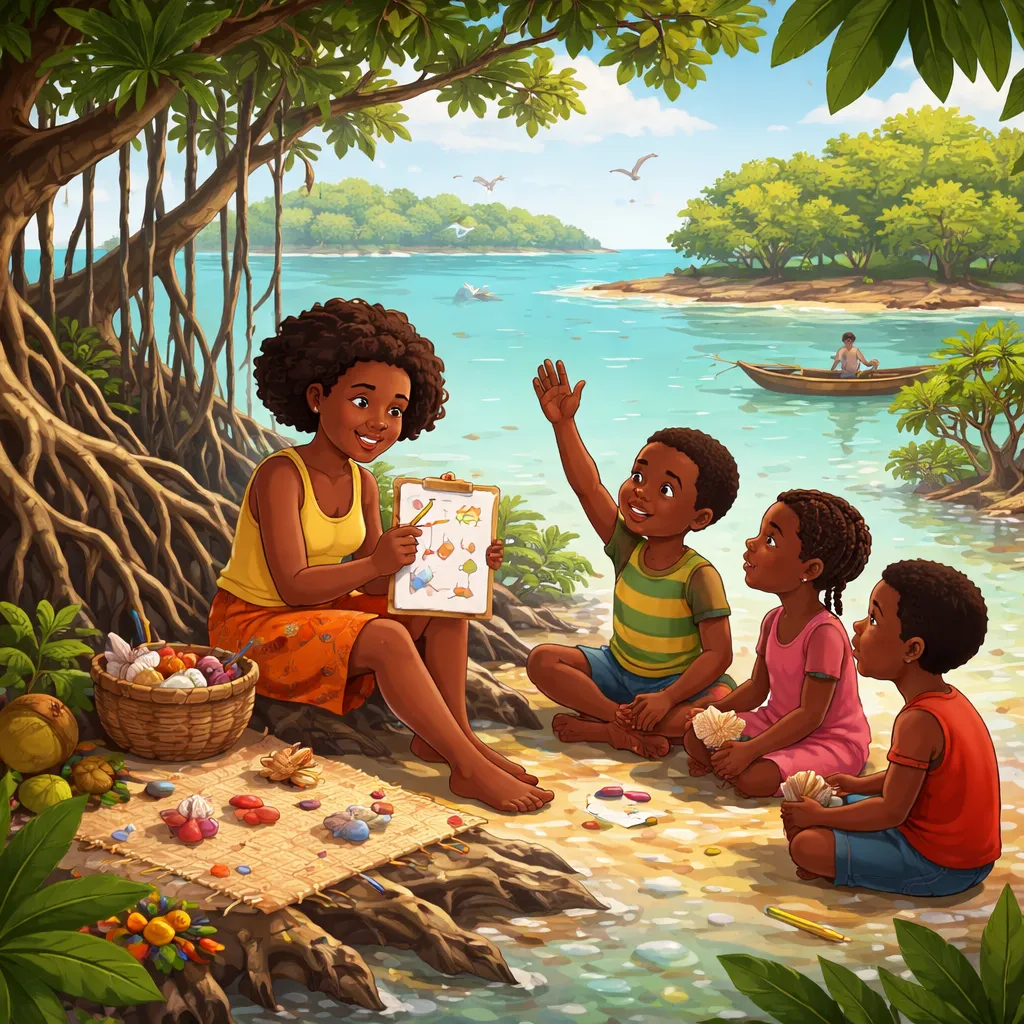
Guinea-Bissau's geography is low and wet. The mainland is a coastal plain. It is covered with mangroves and swamps. Many rivers cut through the land. The Bijag車s Archipelago has about 88 islands. The landscape is flat, green, and interlaced with water.
The climate is tropical. It is hot and humid. There is a long rainy season. The environment shapes life. People grow cashews, rice, and peanuts. They fish in the rivers and sea. Houses in villages are often made of mud and straw. They are raised on stilts in wet areas. The main export is cashew nuts. Fish and peanuts are also important.
A special animal is the saltwater hippopotamus. It lives in the mangroves and islands. It is a rare and amazing sight. The national animal is the manatee. It is gentle and lives in the rivers. The national bird is the grey parrot. It is very intelligent. The kapok tree is tall and provides shade.
Landmarks of Memory and Nature
Visit the Fortaleza d'Amura. It is a historic fort in the capital, Bissau. It was built by the Portuguese. It is now the mausoleum of Am赤lcar Cabral. The fort is a place of memory and respect. A fun story says the fort's walls have seen many changes. They hold the secrets of the country's struggle. The site is simple and powerful.
See the Orango Islands National Park. It is in the Bijag車s Archipelago. It is a park of mangroves, beaches, and forests. You can see saltwater hippos and many birds. You explore by boat. A local legend says the islands are the backs of giant sea turtles. The park is wild and peaceful.
Another wonder is the Varela Beach. It is on the mainland coast. The beach is long and has golden sand. The waves are strong. It is a beautiful, quiet place. It feels like the edge of the world.
Festivals of Mask and Memory
The biggest national holiday is Independence Day. It is on September 24th. It marks the declaration of independence in 1973. There is a ceremony at the Fortaleza d'Amura. Government officials give speeches. Cultural groups perform dances. People remember Am赤lcar Cabral.
The national flag is everywhere. The colors are red, yellow, green, and black. A black star is on the red band. Families have quiet gatherings. The day is about remembering the long fight for freedom.
Another important festival is Carnival. It happens before Lent. People in Bissau wear masks and costumes. They dance in the streets. The music is lively. The festival mixes Catholic traditions with local culture. It is a burst of color and joy.
Food and Flavors
The national dish is Jollof de Arroz. It is a version of Jollof rice. It is cooked with fish or meat, tomatoes, and spices. It is flavorful and hearty. Families eat it for celebrations. It tastes like a party, shared with everyone.
You must try Caldo de Mancarra. It is a stew or soup. It is made with peanuts (mancarra) and fish. It is thick, creamy, and nutty. People eat it with rice. It is a comforting, everyday meal. It tastes like the land and the sea.
A Culture of Rhythm and Community
Music is central to life. The "gumbe" is a traditional musical style. It uses a water drum. The rhythm is fast and happy. People sing and dance to gumbe at parties. This love for rhythm is a joyful part of learning reading about Guinea-Bissau.
The country is known for its matriarchal society on the Bijag車s islands. In some islands, women choose their husbands. Women manage the community and the economy. This is unique and shows the strength of women.
Tips for Young Explorers
Cultural Manners Matter
Greetings are polite and important. A handshake is common. Say "Ol芍, como est芍?" (Hello, how are you?). Ask about the person's health and family. This shows you care. Take time for greetings.
Elders are highly respected. Always greet the oldest person first. Listen when they speak. Do not interrupt. Use polite language. This is very important.
When eating, use your right hand if not using utensils. The left hand is considered unclean. Wash your hands before and after the meal. Try a bit of everything offered. Compliment the cook.
A Note on Staying Safe
Guinea-Bissau is a fragile state. Political instability can lead to sudden unrest. It is important to check travel advisories. Travel with a guide. Do not walk alone at night. Avoid political gatherings. Keep your belongings secure.
The sun is very strong. Use a high SPF sunscreen. Wear a hat. Drink lots of bottled water. Dehydration is a risk. Protect yourself from the sun.
Malaria is a big risk. Take anti-malaria medicine if your doctor says. Use strong insect repellent. Wear long sleeves in the evening. Sleep under a mosquito net.
A Tasty Stop
Look for "past谷is" on the street. They are fried pastries. They are often filled with fish or meat. They are golden and crispy. Eat them hot. The past谷is are savory, flaky, and delicious. They are a popular snack.
Healthy and Happy Travels
Drink only bottled or boiled water. This is the most important rule. Do not drink tap water. Avoid ice in drinks. Brush your teeth with bottled water. This keeps your stomach healthy.
Be careful with street food. Eat at busy places. The food should be cooked fresh and hot. Peeling your own fruit is a safe choice.
Wear comfortable, light clothing. The weather is hot and humid. Cotton clothes are best. Good walking shoes are useful, but you may also need rubber boots in wet areas.
Your Invitation to Explore
Start your journey with a map. Look for Guinea-Bissau on the West African coast. See its many rivers and the Bijag車s islands. Imagine the mangrove forests. Or, listen to the rhythm of gumbe music. Try to clap along. This is a wonderful way of learning reading about Guinea-Bissau.
Visit a market. Look for cashew nuts. Taste their sweet, buttery flavor. Imagine the cashew orchards. You can also try drawing a mangrove tree with its tangled roots. Imagine the fish and birds living around it.
The world is a big, open book. Each country is a different chapter. Guinea-Bissau's chapter is about quiet struggle, unique islands, and community rhythm. Open it with respect. Read about its heroes, hippos, and harmony with nature. Your curiosity is your guide.
Families in Bissau share a pot of jollof rice. Villagers fish in the calm rivers. Children play soccer on a dusty field. We all know these scenes. We love sharing meals. We work with nature. We play and hope for a better future. Learning about Guinea-Bissau shows us this. Our global family shares the same dreams for peace and community. Keep exploring, one page, one country, at a time. Your adventure has just begun.