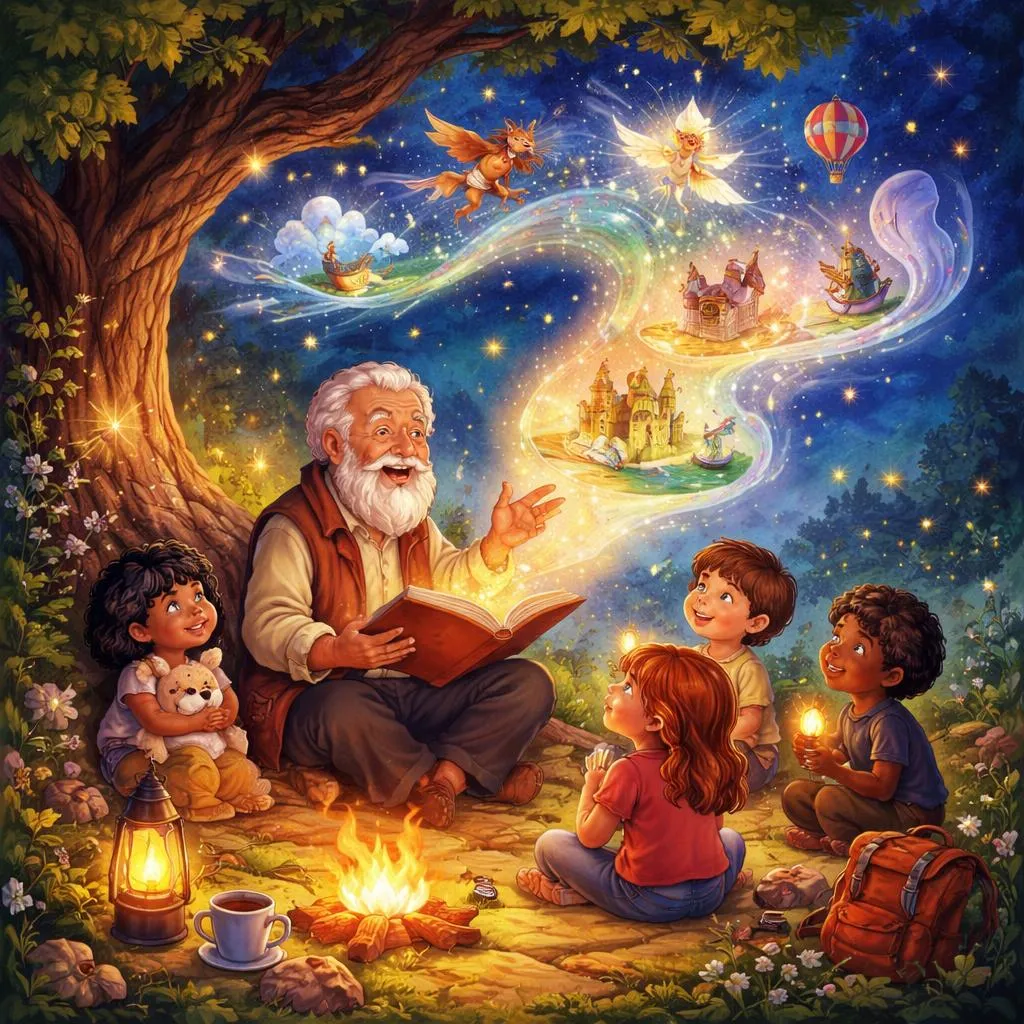

A story takes you to another world. A storyteller brings characters to life. The words “story, storyteller, storybook, storied” all come from one family. Each word talks about a tale or a history. But each one has a different job in a sentence. Learning this family helps children love reading and sharing adventures. Let us explore these four words together.
What Does “Same Word, Different Forms” Mean? One core idea can grow into many word shapes. The meaning stays the same at the heart. But the word changes its ending or combines for a new role. For example, “story” is a noun. “Storyteller” is a noun. “Storybook” is a noun. “Storied” is an adjective. Knowing these four forms helps a child talk about tales and histories.
Personal Pronouns Change Their Form Pronouns change from “he” to “him” or “his”. Our word family changes by adding suffixes and compounds. Think of “story” as the core tale or history. “Storyteller” combines story with teller to name a person. “Storybook” combines story with book to name an object. “Storied” turns the idea into a description. Each form answers a simple question. What tale? Story. Who tells tales? Storyteller. What book has tales? Storybook. What is famous in history? Storied.
From Verb to Noun to Adjective to Adverb – One Family, Many Words This family has nouns and an adjective. Let us start with the noun “story”. Noun: Tell me a story before bed. “Story” means a tale, real or made up.
Next is the noun “storyteller”. Noun: My grandmother is a wonderful storyteller. “Storyteller” means a person who tells stories.
Then the noun “storybook”. Noun: This storybook has beautiful pictures. “Storybook” means a book of stories for children.
Finally the adjective “storied”. Adjective: The storied history of the castle attracted tourists. “Storied” means famous in story or history. This family has no verb or adverb form.
One Root, Many Roles – How Words Grow from Actions to Qualities The Latin word “historia” meant history or tale. From this root, we built a family about narratives. “Story” kept the main noun meaning. Combining “story” with “teller” made “storyteller” (the person). Combining “story” with “book” made “storybook” (the object). Adding -ed made “storied” (having a famous story). Children can see the same pattern in other families. For example, “tale, taleteller, talebook, taled (rare)”. Learning compounds helps kids describe creative things.
Same Meaning, Different Jobs – Is It a Verb or a Noun? Look at each word’s job carefully. “Story” is a noun. Example: I read a funny story.
“Storyteller” is a noun. Example: The storyteller used different voices.
“Storybook” is a noun. Example: Her favorite storybook is about a dragon.
“Storied” is an adjective. Example: The storied musician had many fans. Each form has one clear job. That makes this family easy to learn.
Adjectives and Adverbs – When Do We Add -ly? This family has no adverb form. We do not say “storily”. Use other words instead. Example: She told the story dramatically. For young learners, focus on “story” and “storyteller” as everyday words. A simple reminder: “Storied means something has a famous past.”
Watch Out for Tricky Spelling Changes (Double Letters, y to i, and More) “Story” has no double letters. It ends with a y. Combine with “teller” to make “storyteller”. Story + teller = storyteller (change the y? No, keep the y). Combine with “book” to make “storybook”. Story + book = storybook (keep the y). Add -ed to make “storied”. Story → stor + ied (change y to i, add ed). A common mistake is writing “storyteller” as “story teller” as two words. “Storyteller” as one word is correct. Another mistake is “storybook” as two words. “Storybook” as one word is correct. Another mistake is “storied” spelled “storyed”. Say “Storied changes y to i. Story becomes storied.” Another mistake is “storied” meaning just “having many stories” (like a building). That meaning is different but also correct.
Let’s Practice – Can You Choose the Right Form? Try these sentences with your child. Read each one aloud. Pick the correct word from the family.
Please tell me a bedtime ______. Answer: story (noun)
My dad is a great ______. He makes everything exciting. Answer: storyteller (noun)
I read a ______ about a kind giant. Answer: storybook (noun)
The ______ walls of the old library held many secrets. Answer: storied (adjective)
A ______ can take you on an adventure without leaving your room. Answer: story (noun)
The ______ used puppets to act out the tale. Answer: storyteller (noun)
This ______ has a shiny cover and gold pages. Answer: storybook (noun)
Venice is a ______ city with canals and legends. Answer: storied (adjective)
What is your favorite ______ from when you were little? Answer: story (noun)
A good ______ knows when to pause for effect. Answer: storyteller (noun)
After the practice, ask your child one question. Is this word a tale, a person who tells tales, a book of tales, or a famous history? That simple question teaches grammar through the magic of stories.
Tips for Parents – Help Your Child Learn Word Families in a Fun Way Use a family memory to teach “story”. Say “Let me tell you a story about when you were a baby.”
Use a campfire to teach “storyteller”. Say “At camp, the counselor is the storyteller.”
Use a library trip to teach “storybook”. Say “Find a storybook with a dragon on the cover.”
Use a museum or old building to teach “storied”. Say “This old castle has a storied past. Many kings lived here.”
Play “fill in the blank” during car rides. Say “Tell me a ______ about your day at school.” (story) Say “Grandpa is a wonderful ______.” (storyteller) Say “Read me a ______ before I sleep.” (storybook) Say “The ______ career of that singer inspired millions.” (storied)
Read a fairy tale or a legend together. Ask “Who is the storyteller in this book?” Ask “Is this a storied place or a made-up one?”
Turn a drawing activity into a word lesson. Draw a book opening. Label “story”. Draw a person with a microphone. Label “storyteller”. Draw a stack of colorful books. Label “storybooks”. Draw an old castle with a crown. Label “storied past”.
When your child makes a mistake, stay calm. If they say “I want to storytell,” say “Almost. You want to tell a story. Storyteller is the person. Storytell is not a verb.” If they say “The book is story,” say “Close. The book is a storybook. A story is the tale inside.”
Write the four words on sticky notes. Put them on a bookshelf or a nightstand. Each time you read together, point to “story” and “storybook”.
Remember that stories connect families. Use these words to share memories and imagination. Soon your child will create their own story. They will become a storyteller for younger siblings. They will treasure storybooks forever. And they will learn the storied history of your family. That is the lasting power of learning one small word family together.