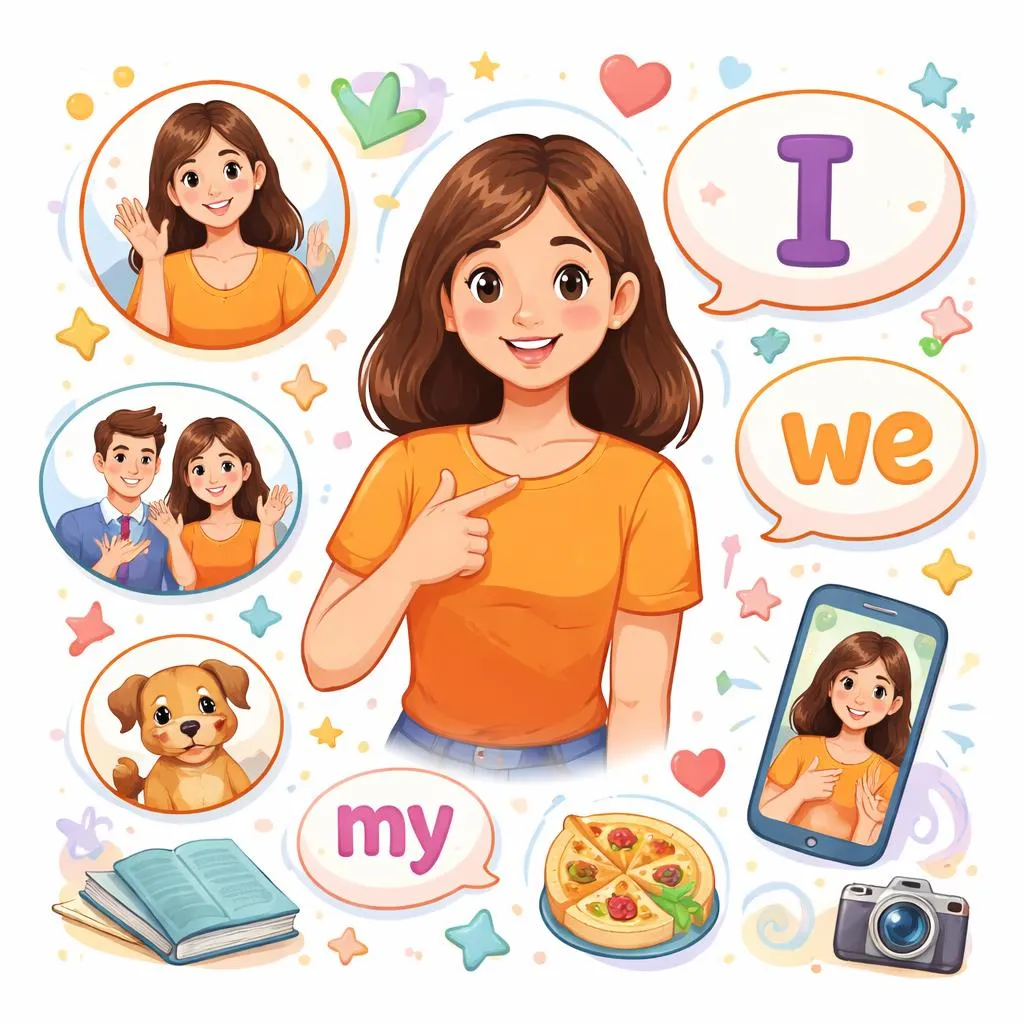

Understanding what is first person is important in grammar and writing. First person refers to the speaker or writer. It is used when someone talks about themselves.
In English, first person uses specific pronouns.
First Person Definition
First person is a grammatical point of view used when the speaker refers to themselves.
It shows that the subject of the sentence is the person speaking or writing.
Example:
I am learning English. We are ready for the meeting.
In both sentences, the speaker includes themselves.
First Person Pronouns
First person pronouns include singular and plural forms.
Singular
I me my mine myself
Examples:
I enjoy reading. She gave me the book. This is my notebook. The choice is mine. I taught myself Spanish.
Plural
we us our ours ourselves
Examples:
We are working together. They invited us to the event. This is our project. The victory is ours. We prepared ourselves carefully.
Plural first person includes the speaker and at least one other person.
First Person in Writing
First person is common in personal writing.
journals personal essays blogs autobiographies
In these texts, the writer shares personal experiences.
Example:
I traveled to a new country last year. I learned many things from that experience.
The use of “I” makes the writing personal and direct.
First Person in Stories
In storytelling, first person creates a close connection between narrator and reader.
Example:
I opened the door and felt nervous.
The reader experiences events through the narrator’s perspective.
This style is often used in novels and short stories.
First Person vs. Second Person vs. Third Person
Understanding first person is easier when compared with other points of view.
First person: I am studying.
Second person: You are studying.
Third person: He is studying. She is studying. They are studying.
First person focuses on the speaker. Second person addresses the listener. Third person talks about someone else.
First Person in Academic Writing
In formal academic writing, first person was traditionally avoided. However, modern academic style sometimes allows it, especially when explaining research actions.
Example:
In this study, we analyze the data collected from participants.
“We” is often used instead of “I” in research papers, even if there is only one author.
This creates a more formal tone.
Advantages of First Person
Using first person:
creates personal connection shows clear responsibility expresses personal opinion adds authenticity
Example:
I believe this solution is effective.
This sentence clearly shows the writer’s viewpoint.
First Person in Speech
In everyday conversation, first person is natural and frequent.
I think that is a good idea. We should leave early. I feel tired today.
First person makes communication direct and personal.
Common Mistakes With First Person
Incorrect agreement:
We was ready. Correct: We were ready.
Using objective form incorrectly:
Me went to the store. Correct: I went to the store.
Understanding subject and object forms prevents errors.
First Person Possessive Forms
Possessive adjectives:
my our
Possessive pronouns:
mine ours
Examples:
This is my phone. That car is mine. This is our classroom. The decision is ours.
Possessive forms show ownership.
Reflexive Forms
myself ourselves
Example:
I prepared myself for the test. We introduced ourselves to the audience.
Reflexive pronouns refer back to the subject.
Why Understanding First Person Matters
Knowing what is first person helps with:
clear communication correct pronoun use effective storytelling stronger writing structure
Recognizing first person improves grammar awareness and writing skills.
Practice Sentences
I completed the assignment yesterday. We are planning a trip. This is my responsibility. The final decision is ours. I reminded myself to stay focused.
Each sentence uses first person correctly.
Understanding first person builds a foundation for mastering point of view in English grammar and writing.
First Person in Narrative Writing
First person narration places the reader inside the narrator’s mind. The story unfolds through personal experience.
Example:
I walked into the room and immediately noticed the silence.
The reader only knows what the narrator knows. Thoughts, feelings, and reactions are limited to that single perspective.
This creates intimacy and emotional depth.
In longer narratives, first person helps readers connect strongly with the main character.
First Person in Autobiography and Memoir
Autobiographies and memoirs rely heavily on first person.
An autobiography tells the writer’s life story.
A memoir focuses on specific experiences.
Both use “I” and “my” to describe events directly.
Example:
I grew up in a small town. My childhood was filled with adventure.
First person makes life stories authentic and personal.
First Person in Opinion Writing
Opinion essays often use first person to express personal views.
I believe education is important. In my opinion, teamwork improves results. I strongly support this idea.
Using first person clearly shows responsibility for the argument.
However, in highly formal writing, some writers prefer more neutral phrasing.
Instead of:
I think this solution works.
They may write:
This solution appears effective.
Both forms are correct depending on style and context.
First Person in Plural Perspective
First person plural uses “we” and “our.” It can create unity.
We must work together to solve this problem. Our goal is to improve communication.
“We” can include the speaker and audience.
In speeches, leaders often use “we” to build connection.
Example:
We face many challenges, but we will overcome them.
This inclusive language strengthens engagement.
First Person in Research Writing
In research papers, first person plural is common.
We conducted a survey of 200 participants. We analyzed the results carefully.
Even when there is one author, “we” is sometimes used for a formal tone.
Modern academic style increasingly accepts first person because it clarifies who performed the action.
Clear responsibility improves transparency.
First Person in Reflective Writing
Reflective writing asks the writer to examine personal learning.
I learned that preparation is essential. I realized the importance of communication.
Reflection encourages self-awareness.
First person supports this type of analysis.
First Person and Verb Agreement
First person singular uses base verb form in present tense.
I work every day. I study English.
First person plural also uses base form.
We work every day. We study English.
In past tense, agreement changes:
I was late. We were late.
Correct verb agreement is essential.
First Person in Dialogue
In conversation or fictional dialogue, first person appears naturally.
I don’t understand. I need more time. We agree with your proposal.
Dialogue often mixes first, second, and third person.
Understanding shifts in perspective improves reading comprehension.
Shifting Between First and Other Perspectives
Writers sometimes shift perspective intentionally.
First person:
I experienced many challenges during the project.
Third person:
The team experienced many challenges during the project.
Perspective affects tone and distance.
First person feels personal. Third person feels objective.
Writers choose based on purpose.
First Person and Tone
Tone changes depending on how first person is used.
Neutral tone:
I completed the assignment.
Emotional tone:
I was thrilled to complete the assignment.
Formal tone:
We conducted a detailed analysis.
Informal tone:
I worked really hard on this.
Word choice shapes tone even within first person structure.
Overuse of First Person
While first person is useful, excessive repetition of “I” can weaken writing.
Example:
I think this is important. I believe it is useful. I feel it should change.
Improved:
This issue is important. It provides clear benefits and deserves attention.
Balancing sentence structure strengthens style.
First Person in Public Speaking
Speakers use first person to connect with audiences.
I am honored to be here today. We appreciate your support.
Personal statements build trust.
Sharing experiences increases engagement.
Summary Expansion
First person refers to the speaker or writer. It uses pronouns such as I, me, my, mine, we, us, our, ours. It appears in personal writing, storytelling, academic research, and speeches. It creates closeness and authenticity. It requires correct verb agreement and pronoun usage.
Understanding first person strengthens writing clarity, narrative voice, and grammatical accuracy. Mastery of perspective allows writers to control tone, connection, and purpose effectively in English communication.