What Is Saying Hello? Saying hello is the act of greeting someone. A greeting is a word or phrase used when meeting someone. Saying hello shows friendliness. Saying hello shows respect. Saying hello begins communication. In English learning, saying hello is one of the first social skills introduced. Simple greetings build confidence. Confident greetings support strong speaking habits. Why Is Saying Hello Important? Saying hello creates connection. It opens a conversation. It helps people feel welcome. It shows good manners. In school settings, saying hello builds a positive classroom atmosphere. Polite greetings support social development. Language learning includes social language, not only grammar. Saying hello is part of everyday English. Common Ways of Saying Hello English includes many ways of saying hello. Hello Hi Hi there Good morning Good afternoon Good evening These expressions are used in different situations. Hello is neutral and polite. Hi is friendly and informal. Good morning is used before noon. Good afternoon is used after noon. Good evening is used in the evening. Learning when to use each greeting supports communication accuracy. Formal and Informal Greetings Some greetings are formal. Good morning, Mr. Smith. Good afternoon, teacher. Some greetings are informal. Hi, Anna. Hello, Sam. Formal greetings are used with teachers, principals, or new people. Informal greetings are used with friends and classmates. Understanding context improves language awareness. Body Language When Saying Hello Saying hello includes more than words. Body language supports meaning. A smile shows warmth. Eye contact shows attention. A wave shows friendliness. In some cultures, a handshake is common. In others, a bow or nod is used. Teaching greetings includes both words and gestures. Clear modeling supports confident behavior. Vocabulary Related to Saying Hello Greeting means words used when meeting someone. Polite means showing good manners. Friendly means kind and warm. Conversation means talking with someone. Introduce means telling someone a name. Visitor means a person who comes to a place. Practice sentences build familiarity. Hello, teacher. Good morning, class. Hi, friend. Nice to meet you. Repeating greetings supports automatic use. Responding When Someone Says Hello Communication includes response. Hello. Hi. Good morning. Responding politely is important. Nice to meet you. Nice to see you. How are you? When asked “How are you?” common responses include: I am fine. I am good. I am happy. Short answers are acceptable for beginners. Full sentences build stronger habits. Classroom Practice with Saying Hello Structured routines strengthen learning. Morning greeting circles build consistency. Each learner says hello to the group. The teacher models clear pronunciation. Role-play supports real-life practice. A visitor enters the classroom. Learners greet the visitor politely. Pair work encourages repetition. One learner greets. The other responds. Switch roles and repeat. Repetition builds fluency. Learning Activities for Saying Hello Interactive activities increase engagement. Greeting Ball Game A soft ball is passed. The person holding the ball says hello to someone. This builds quick thinking and speaking. Greeting Role Cards Cards show different situations. Meeting a teacher. Meeting a friend. Meeting a principal. Learners choose the correct greeting. This builds context awareness. Greeting Song Activity Simple greeting songs support memory. Music makes phrases easier to remember. Rhythm supports pronunciation. Movement increases participation. Printable Materials for Saying Hello Visual charts show greeting expressions. Flashcards support quick drills. Matching worksheets connect situations with greetings. Dialogue practice sheets support structured speaking. Consistent review builds confidence. Daily Life Connections of Saying Hello Saying hello happens every day. At school. At home. In stores. In parks. In online classes. Practicing greetings prepares learners for real situations. Social language becomes natural through repetition. Expanding Greetings Beyond Hello More expressions add variety. Good to see you. Welcome. How have you been? It’s nice to meet you. Expanding vocabulary improves conversation skills. Gradual introduction prevents overload. Clear explanation supports understanding. Cultural Awareness and Greetings Greetings differ around the world. In Japan, a bow is common. In United States, a handshake or wave is common. In France, cheek kisses may be used in informal settings. Learning about global greetings builds cultural respect. Respect supports positive communication. Building Confidence Through Saying Hello Short daily greeting routines strengthen habits. Clear pronunciation builds clarity. Smiling reduces nervousness. Positive feedback increases motivation. Saying hello may seem simple. However, strong greetings create strong first impressions. Strong first impressions support successful communication. Mini Dialogue Practice Good morning. Good morning. Hello. How are you? I am fine. Thank you. Hi. Nice to meet you. Nice to meet you too. Short dialogues build rhythm and fluency. Practice supports automatic language use. Saying hello becomes natural through daily guided interaction. Confident greetings lead to confident conversations. Language grows step by step through simple, polite expressions. Saying Hello in Different Times of the Day Time changes the greeting. Good morning is used early in the day. Good afternoon is used after lunch. Good evening is used when the sun goes down. Good night is not usually a greeting. Good night is used when leaving or going to sleep. Understanding time words supports correct greeting use. Morning routines can include repeating Good morning together. Afternoon classes can begin with Good afternoon, everyone. Evening events can begin with Good evening, parents and guests. Daily repetition builds automatic habits. Saying Hello in School Settings School provides many chances for saying hello. Greeting the teacher at the door builds respect. Greeting classmates builds friendship. Greeting the principal builds confidence. Simple classroom models help structure practice. Good morning, Ms. Lee. Hello, class. Hi, Tom. Clear voice and eye contact strengthen communication skills. Greeting charts near the classroom door remind learners to use English greetings. Routine makes polite language natural. Telephone and Online Greetings Modern communication includes phones and video calls. Telephone greetings are slightly different. Hello, this is Anna speaking. Good afternoon, Maple School. Online class greetings also follow structure. Good morning, teacher. Hello, everyone. Clear voice is especially important on the phone. Smiling while speaking improves tone. Digital communication still requires polite greetings. Practicing these forms prepares learners for real-world situations. Greeting New People Meeting new people requires extra politeness. Hello. Nice to meet you. It’s a pleasure to meet you. These phrases are slightly more formal. Introducing names is part of greeting. Hello. My name is Daniel. Hi. I am Lily. The response often includes repetition of the name. Nice to meet you, Daniel. Using someone’s name builds connection. Connection supports positive relationships. Structured role-play activities help learners practice introductions. Greeting Friends Greeting friends can be relaxed. Hi. Hey. Hi there. Tone is friendly. Smiles are natural. Short greetings are common between close friends. Teaching the difference between formal and informal greetings prevents misunderstandings. Context awareness is part of language development. Weather Greetings and Small Talk After saying hello, short conversation often follows. This is called small talk. Weather is a common topic. Good morning. It is sunny today. Hello. It is very cold. Simple weather words expand conversation. Sunny Rainy Windy Cloudy Adding one extra sentence after saying hello builds longer speaking turns. Good afternoon. It is rainy today. Please bring an umbrella. Small talk builds conversational flow. Greeting Songs and Chants Songs make greetings memorable. Hello, hello, how are you? I am fine, I am fine, thank you. Chants support rhythm and pronunciation. Clapping while chanting increases energy. Music lowers anxiety. Lower anxiety increases participation. Daily greeting songs create a positive learning atmosphere. Routine songs support classroom management. Visual and Movement Activities for Greetings Visual learning strengthens memory. Posters can show greeting phrases with pictures. A sun picture next to Good morning. A moon picture next to Good evening. Movement activities increase engagement. Stand up when hearing Good morning. Wave when hearing Hello. Sit down when hearing Good night. Physical response connects listening with action. Action-based learning improves retention. Polite Expressions After Saying Hello Polite expressions often follow greetings. How are you? How is everything? How is your day? Responses can vary. I am fine. I am great. I am a little tired. Teaching emotional vocabulary adds depth. Happy Excited Calm Busy Combining greetings with feelings builds expressive language. Hello. I am happy today. Good morning. I am excited for class. Emotional expression supports social development. Greeting Games for Group Practice Group games increase participation. Circle Greeting Game Learners stand in a circle. Each learner turns to the right and says hello. Rotation continues until everyone has greeted each other. This builds repetition without boredom. Secret Greeting Card Cards contain greeting phrases. A learner reads the card aloud. Others guess if it is formal or informal. Classification tasks strengthen understanding. Greeting Bingo A bingo board contains greeting phrases. When a phrase is heard, it is marked. Listening skills improve through focused attention. Games reduce fear of speaking. Reduced fear increases fluency. Writing Practice with Greetings Writing greetings supports literacy. Short dialogues can be copied and completed. Hello, ______. Good morning, ______. Blank spaces encourage active participation. Letter writing introduces greeting structure. Dear Anna, Hello. How are you? Email writing also includes greetings. Hello Mr. Brown, Good afternoon. Understanding written greetings prepares learners for academic communication. Cultural Greeting Awareness Greeting customs vary across cultures. In India, “Namaste” is a respectful greeting. In Spain, “Hola” is common. In China, “Ni hao” is used. Learning about international greetings builds global awareness. Comparing greetings develops curiosity. Curiosity supports motivation. Respect for cultural differences builds empathy. Building Long-Term Confidence in Greetings Confidence grows through repetition. Small daily practice is effective. Clear modeling supports correct pronunciation. Encouragement builds courage. Mistakes are part of learning. Correction should be gentle and supportive. Successful greetings create positive first impressions. Positive first impressions build strong communication skills. Saying hello may seem simple. However, this small expression opens every conversation. Strong greeting habits support academic success. Strong greeting habits support social success. Language development begins with simple words. Hello becomes the first step toward fluent and confident English communication.
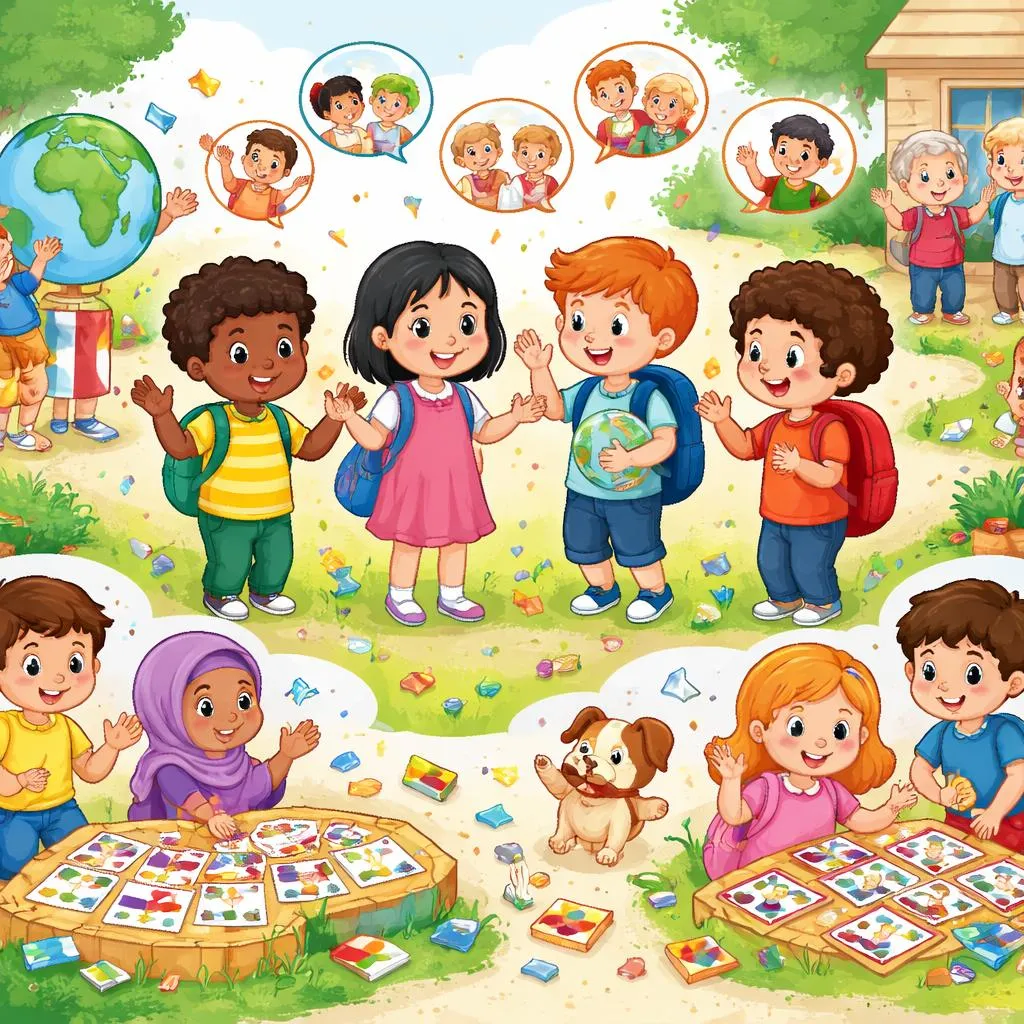
What Is Saying Hello? Meaning, Expressions, Vocabulary, and Fun Learning Activities for Kids
