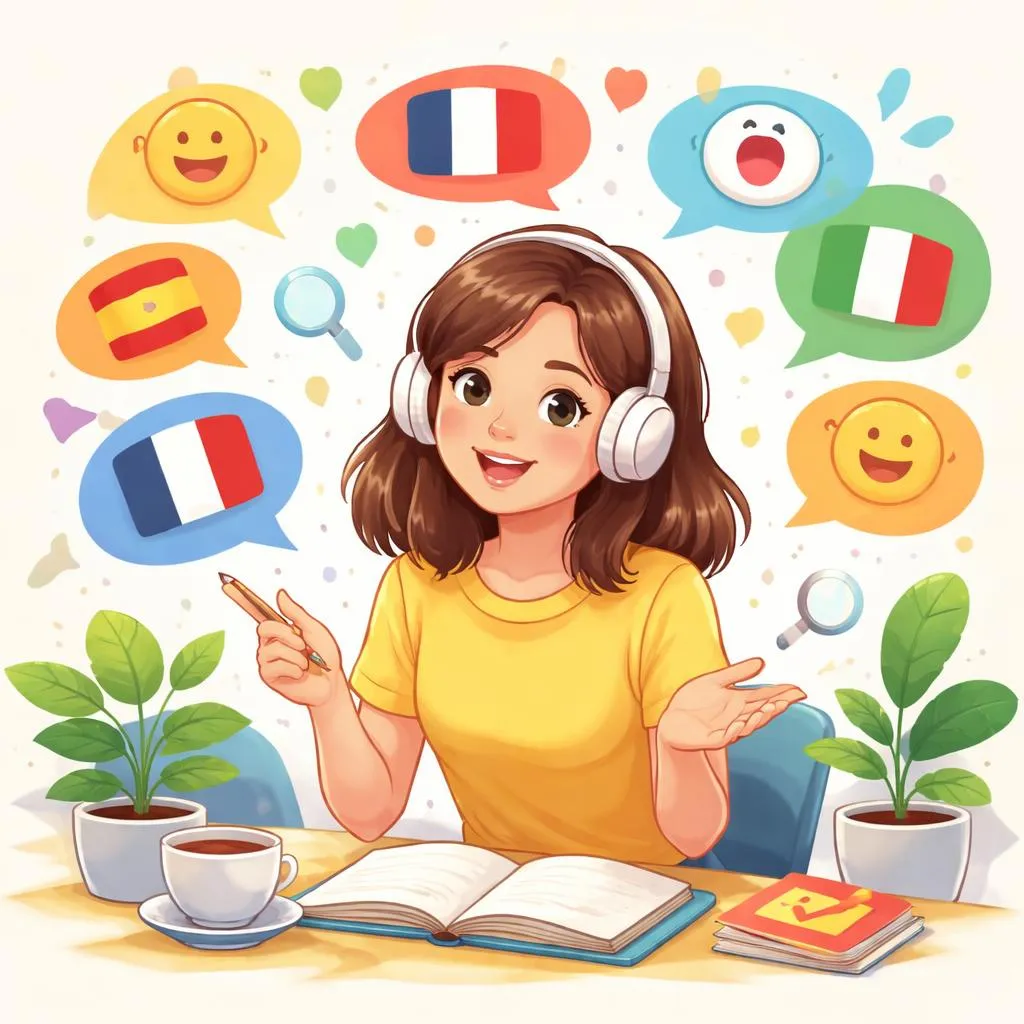

What Does “Easiest Language to Learn” Really Mean? The idea of the easiest language to learn depends on background. Native language matters. Learning style matters. Exposure matters. A language that feels simple for one learner may feel difficult for another. Pronunciation, grammar, writing system, and vocabulary similarity all influence difficulty. Short answer. It depends.
Spanish as an Easy Language For many English speakers, Spanish is often considered one of the easiest languages to learn. The alphabet is familiar. Pronunciation is consistent. Words are often phonetic, meaning letters match sounds closely. Grammar has clear patterns, even though verb conjugation requires practice. Spanish is spoken widely in countries such as Spain and Mexico, so learning resources are easy to find. Consistent spelling helps beginners. Clear sound system. Practical vocabulary.
French and Similar Vocabulary French is another language often described as approachable for English speakers because many English words have French origins. Historical influence from France shaped English vocabulary centuries ago. Words like restaurant, animal, color, and important look similar in both languages. However, pronunciation can be challenging. Silent letters appear frequently. Spelling may not match sound. Familiar words. Complex sounds.
Italian and Phonetic Simplicity Italian is sometimes considered easy because pronunciation is very regular. Each letter usually represents one sound. Words are pronounced as written. This phonetic system reduces confusion. Italy, located in Italy, has a clear vowel system that supports accurate pronunciation practice. Simple sound rules. Predictable patterns. Musical rhythm.
Languages With Simple Grammar Structures Some learners find languages with limited verb conjugation easier. For example, Indonesian is often described as structurally simple because verbs do not change based on subject. No complex tense endings. No gender agreement. Straightforward sentence structure. Simplicity reduces memorization pressure. Short grammar. Clear structure. Why Similarity to Native Language Matters Languages that share vocabulary roots or grammar systems with English usually feel easier. English belongs to the Germanic language family. Because of this, languages such as Dutch and Norwegian may feel more familiar to English speakers. Shared sentence patterns. Similar word order. Recognizable vocabulary.
Familiarity builds confidence. Writing System and Difficulty Alphabet familiarity also plays a major role. Languages using the Latin alphabet are often easier for English speakers to approach. Learning a completely new writing system, such as the Cyrillic alphabet used in Russia, requires extra effort. A new script adds another learning layer. More symbols. More memorization.
Motivation and Exposure Ease is not only about grammar. Motivation matters. A language connected to travel, culture, music, or family heritage often feels easier because interest increases practice time. More practice. Faster progress. Exposure through films, songs, and conversation improves comprehension naturally.
Interest drives effort.
No Single Easiest Language There is no universal answer to the question “What is the easiest language to learn?” Spanish may feel simple for one learner. Italian may feel smoother for another. Dutch may feel familiar. Indonesian may feel structurally clear. Background determines perception. Perception shapes progress. Learning becomes easier with consistent practice, clear goals, and strong motivation. Short sessions help. Regular review matters. Confidence grows over time.
More About What Is the Easiest Language to Learn Language difficulty is relative. No single answer fits everyone. Background shapes experience. Native language plays a big role. Alphabet familiarity matters. Grammar structure matters. Pronunciation patterns matter. Small differences feel big at the beginning. Short words feel easier.
Clear rules feel safer. Languages With Clear Pronunciation Many learners prefer languages where spelling matches sound. Spanish is often praised for this reason. Words are pronounced as written. Fewer surprises. Italian works in a similar way. Regular vowel sounds. Predictable stress patterns. Reading becomes easier. Speaking feels more natural. Clear sounds. Less confusion. Simple Grammar Feels Comfortable Complex verb tables can slow progress. Languages with fewer verb changes often feel easier. Indonesian is known for minimal conjugation. Verbs stay mostly the same. No complicated endings. No gender agreement. Straight lines. Straight rules. Grammar simplicity reduces anxiety. Familiar Vocabulary Helps English shares vocabulary roots with several European languages. French has influenced English for centuries. Many words look similar. Restaurant. Animal. Important. Culture. Recognition builds confidence. Confidence builds motivation. Similar words feel friendly. Sentence Structure and Word Order Languages that keep subject–verb–object order feel familiar to English speakers. Dutch and Norwegian often follow similar patterns. Sentences look recognizable. Structure feels logical. Fewer surprises in word placement. Familiar structure. Faster understanding. Writing Systems Add Challenge A new alphabet creates extra work. Learning new symbols takes time. Russian uses the Cyrillic script. New letters. New sounds. Extra memorization. It does not mean impossible. It just means more steps. More symbols. More practice. Tone and Sound Systems Some languages use tones to change meaning. Mandarin Chinese is an example. A small tone difference changes the word meaning completely. This feature may feel difficult for beginners. Listening becomes very important. Sound awareness increases. Tone matters. Pitch matters. Exposure Makes Learning Easier Regular exposure reduces difficulty. Movies help. Music helps. Conversations help. Daily contact with the language speeds up progress. Short practice every day works better than long practice once a week. Consistency wins. Motivation Changes Everything Interest in culture increases effort. Travel goals create purpose. Career goals create focus. Personal connection increases dedication. A language connected to emotion feels easier to continue learning. Interest fuels persistence. Age and Learning Style Children often learn pronunciation faster. Adults often understand grammar explanations better. Each stage has advantages. Visual learners prefer reading. Auditory learners prefer listening. Speaking practice builds fluency for everyone. Different styles. Different strengths. The Real Answer The easiest language to learn is often the one that feels meaningful. Structure matters. Similarity matters. Practice matters more. Clear goals help. Small progress counts. One step at a time. Simple practice. Steady growth. Language learning is not about finding the easiest option. It is about building confidence through repetition, exposure, and curiosity. When learning feels engaging, difficulty feels smaller. When practice becomes routine, progress becomes visible.