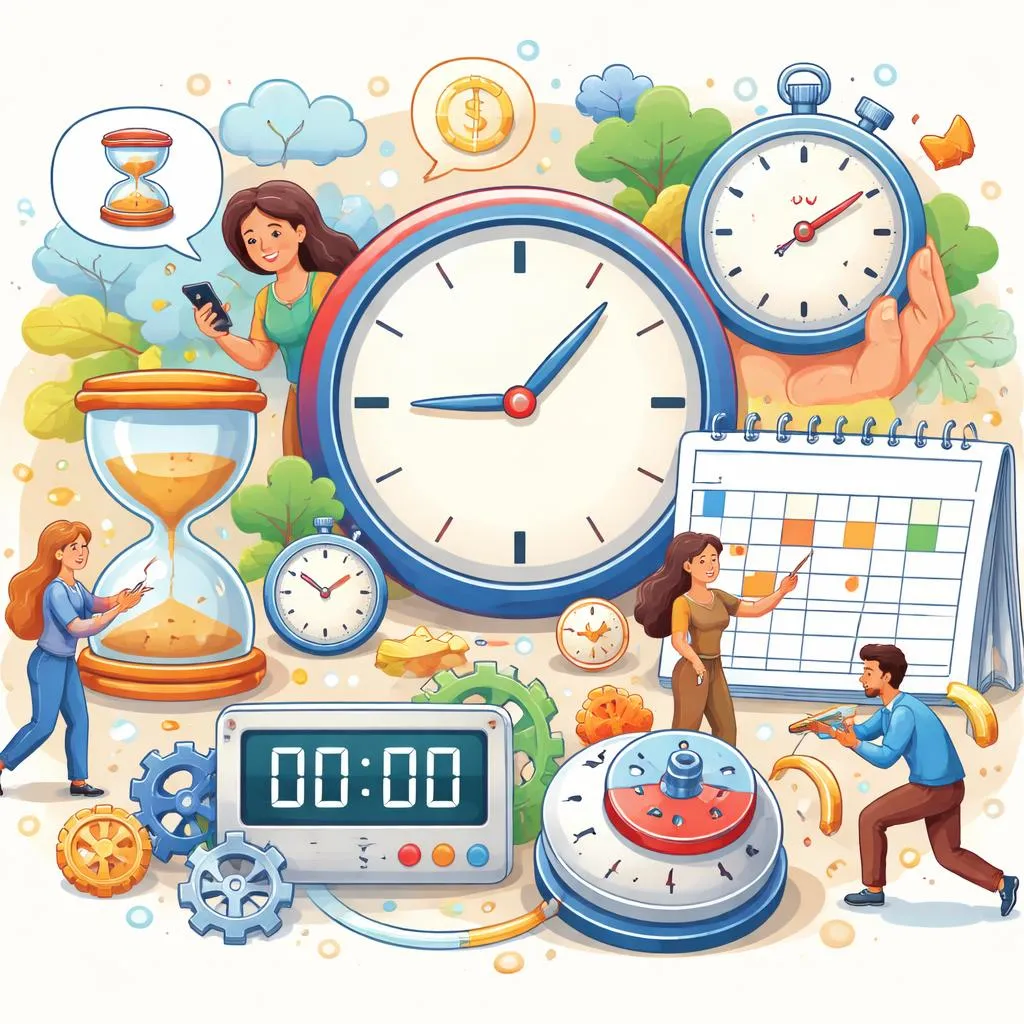

Time measures the minutes of your day. A timely arrival means you are not late. The words “time, timely, timer, timing, timetable” all come from one family. Each word talks about clocks, schedules, or moments. But each one has a different job in a sentence. Learning this family helps children plan their days and understand schedules. Let us explore these five words together.
What Does “Same Word, Different Forms” Mean? One core idea can grow into many word shapes. The meaning stays the same at the heart. But the word changes its ending or combines for a new role. For example, “time” is a noun or a verb. “Timely” is an adjective. “Timer” is a noun. “Timing” is a noun or a verb form. “Timetable” is a noun. Knowing these five forms helps a child manage minutes and hours.
Personal Pronouns Change Their Form Pronouns change from “he” to “him” or “his”. Our word family changes by adding suffixes and compounds. Think of “time” as the core measure of moments. “Timely” turns that idea into a description of good timing. “Timer” turns the idea into a device. “Timing” turns the idea into the act of choosing a moment. “Timetable” combines time with table to name a schedule. Each form answers a simple question. What measure? Time. What happens at the right moment? Timely. What device counts time? Timer. What is the choice of moment? Timing. What is a schedule? Timetable.
From Verb to Noun to Adjective to Adverb – One Family, Many Words This family has nouns, a verb, and an adjective. Let us start with the noun “time”. Noun: Time passes quickly when you play. “Time” means minutes, hours, days.
“Time” can also be a verb. Verb: Time how long it takes to run around the yard. Here “time” means to measure how long something takes.
Next is the adjective “timely”. Adjective: Your timely help saved the project. “Timely” means happening at a good or useful moment.
Then the noun “timer”. Noun: Set the timer for 20 minutes. “Timer” means a device that counts down or up.
Then “timing” as a noun. Noun: Your timing was perfect. You arrived exactly when we needed you. “Timing” can also be a verb form. Verb (ongoing): She is timing the race with a stopwatch.
Finally the noun “timetable”. Noun: The train timetable shows all departure times. “Timetable” means a schedule of events or times.
One Root, Many Roles – How Words Grow from Actions to Qualities The Old English word “tima” meant a period or season. From this root, we built a family about schedule. “Time” kept the main noun and verb meanings. Adding -ly made “timely” (in good time). Adding -er made “timer” (the device). Adding -ing made “timing” (the selection of time). Combining “time” with “table” made “timetable” (a table of times). Children can see the same pattern in other families. For example, “clock, clockly (rare), clocker, clocking, clockwork (different)”. Learning compounds like “timetable” helps kids read schedules.
Same Meaning, Different Jobs – Is It a Verb or a Noun? Look at each word’s job carefully. “Time” can be a noun or a verb. Noun example: Time heals many wounds. Verb example: Time your speech to keep it under two minutes.
“Timely” is an adjective. Example: A timely reminder helped me remember the appointment.
“Timer” is a noun. Example: The oven timer will beep when the cookies are done.
“Timing” is a noun or a verb form. Noun example: Your timing was off; you spoke too soon. Verb example: He is timing the runners.
“Timetable” is a noun. Example: Check the bus timetable before you leave. Each form has a clear job. Only “time” and “timing” have two roles.
Adjectives and Adverbs – When Do We Add -ly? We add -ly to “time” to make “timely”. Time + ly = timely. No letter changes. No letters lost. But careful: “timely” is an adjective, not an adverb. Example: a timely arrival (arrival is the noun). For the adverb, we use “in a timely manner.” For young learners, focus on “timely” as an adjective for good moments. A simple reminder: “Timely means happening at the right time.”
Watch Out for Tricky Spelling Changes (Double Letters, y to i, and More) “Time” has no double letters. Add -ly to make “timely”. Time + ly = timely (keep the e). Add -er to make “timer”. Time → timer (drop the e, add er). Add -ing to make “timing”. Time → timing (drop the e, add ing). Combine with “table” to make “timetable”. Time + table = timetable (keep the e). A common mistake is writing “time” as “tim” (missing e). Say “Time has a silent e at the end.” Another mistake is “timely” spelled “timley” (missing e). Say “Timely keeps the e from time.” Another mistake is “timer” spelled “timer” (correct) but some write “timmer” (double m). Say “Timer has one m. Time + er.” Another mistake is “timetable” written as “time table” as two words. “Timetable” as one word is correct.
Let’s Practice – Can You Choose the Right Form? Try these sentences with your child. Read each one aloud. Pick the correct word from the family.
______ flies when you are having fun. Answer: time (noun)
A ______ reminder from your friend saved you from being late. Answer: timely (adjective)
Set the ______ for 10 minutes for the game. Answer: timer (noun)
Your ______ was perfect. You asked just as I remembered the answer. Answer: timing (noun)
The school ______ shows that lunch starts at noon. Answer: timetable (noun)
Can you ______ how long it takes to sing the alphabet? Answer: time (verb)
The athlete is ______ his sprints to improve speed. Answer: timing (verb form)
A ______ decision can prevent a big mistake. Answer: timely (adjective)
The kitchen ______ beeped loudly. Answer: timer (noun)
Look at the train ______ before you buy your ticket. Answer: timetable (noun)
After the practice, ask your child one question. Is this word a duration, a right-moment description, a device, a choice of moment, or a schedule? That simple question teaches grammar through punctuality.
Tips for Parents – Help Your Child Learn Word Families in a Fun Way Use a clock to teach “time”. Say “Time tells us when to eat and sleep.”
Use a rescue to teach “timely”. Say “Your timely call helped me find my keys.”
Use a microwave to teach “timer”. Say “Set the timer so we do not burn the popcorn.”
Use a race to teach “timing”. Say “Your timing of the jump was perfect.”
Use a school schedule to teach “timetable”. Say “The timetable tells you when math class starts.”
Play “fill in the blank” during car rides. Say “We need to leave on ______.” (time) Say “A ______ warning kept us safe.” (timely) Say “The ______ went off. Time to flip the pancakes.” (timer) Say “The comedian’s ______ made the joke funny.” (timing) Say “The bus ______ is posted at the stop.” (timetable)
Read a story about a race, a school day, or a rescue. Ask “What was the timing of the rescue?” Ask “Did the character arrive at the right time?”
Turn a drawing activity into a word lesson. Draw a clock. Label “time”. Draw a person catching a falling vase. Label “timely catch”. Draw a kitchen device with numbers. Label “timer”. Draw a runner at a finish line. Label “perfect timing”. Draw a chart of classes. Label “timetable”.
When your child makes a mistake, stay calm. If they say “I will timer the eggs,” say “Almost. I will time the eggs. Timer is the device. Time is the verb.” If they say “The timely was good,” for timing, say “Close. The timing was good. Timely is an adjective. Timing is the noun for the chosen moment.”
Write the five words on sticky notes. Put them near a kitchen timer or a family calendar. Each time you plan a day, point to “timetable”.
Remember that time management is a skill. Use these words to help children plan. “Look at the timetable. We have 10 minutes before dinner.” Soon your child will respect time. They will make timely decisions. They will know how to set a timer. They will understand good timing. And they will read a timetable at the train station. That is the punctual power of learning one small word family together.