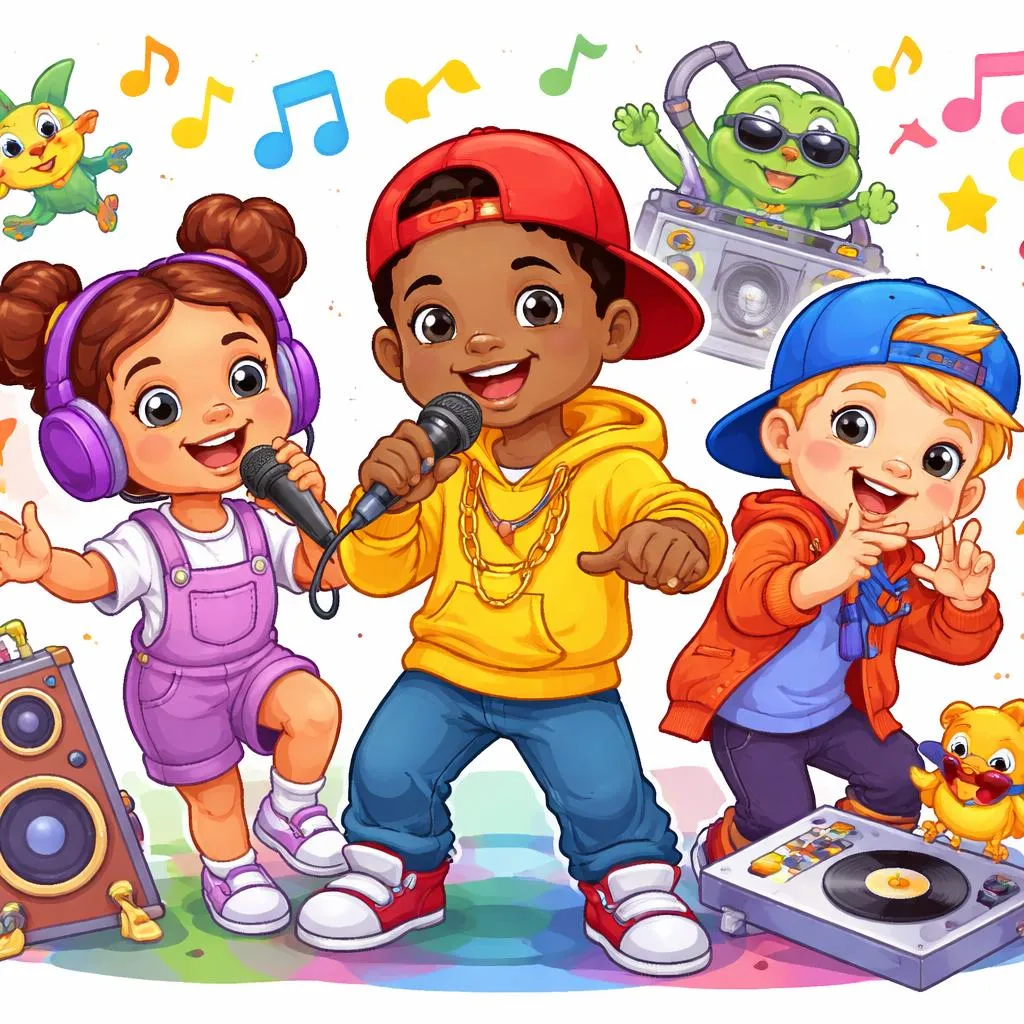

What Is a Children's Story Rap Song? Let us explore this exciting musical genre together. A children's story rap song tells a story using rhythm and rhyme. It combines storytelling with the beat and flow of rap music. The words are spoken rhythmically over a steady beat. The rhythm makes the story fun and engaging for children. The rhymes help children remember the words and story. Rap songs can tell all kinds of stories for children. Fairy tales, Bible stories, and educational topics work well. Original stories created just for the song also work. The beat keeps children moving and engaged while learning. The rap style feels modern and exciting to young listeners. Children can learn to perform the raps themselves with practice.
Meaning and Purpose of Story Rap Songs These songs serve several important purposes in children's learning. They combine music and storytelling for powerful engagement. The brain remembers information set to music more easily. Rhythm and rhyme support phonological awareness development. Children learn to hear sounds and patterns in words. The rap format also builds listening skills and attention. Following the story requires focused listening to the words. The songs also make learning fun and enjoyable. Children want to hear the raps again and again. Repetition reinforces the learning each time. The raps also build confidence in oral language skills. Children can perform the raps themselves proudly.
Common Elements in Children's Story Rap Songs We can identify several elements common to story rap songs. A steady beat keeps the rhythm consistent throughout. The beat might be electronic drums or simple percussion. Rhyming words appear at the end of lines. The rhymes make the rap catchy and memorable. A story is told through the lyrics from beginning to end. Characters, setting, problem, and solution are included. The chorus repeats a key phrase several times. This helps listeners remember the main message. Verses move the story forward with new information. The tempo might change to match the story's mood. Fast for exciting parts, slower for serious moments. Actions or dances might accompany the performance.
Categories of Children's Story Rap Songs We can organize story rap songs into several helpful categories. Educational raps teach academic concepts through music. Math facts, spelling rules, and science topics appear. Bible story raps tell biblical narratives with rhythm. Creation, Noah, David, and Jesus stories are popular. Fairy tale raps retell classic stories in rap form. Cinderella, Goldilocks, and Three Little Pigs work well. Original story raps tell brand new tales created just for rap. Authors write specifically for this musical format. Holiday raps celebrate special days throughout the year. Christmas, Easter, and Thanksgiving raps are common. Moral lesson raps teach character values like honesty. Friendship, courage, and kindness themes appear.
Vocabulary Learning From Story Rap Songs Story rap songs introduce rich vocabulary in musical context. Rap means a style of music with rhythm and rhyming speech. Rhyme means words that have the same ending sound. Rhythm means a strong, regular repeated pattern of sound. Beat means the main accent or rhythmic unit in music. Verse means a section of a song with the same melody but different words. Chorus means a repeated section of a song. Lyrics means the words of a song. Flow means the rhythm and pace of rapping. Tempo means the speed at which music is played. Perform means to entertain an audience by singing or rapping. We can teach these words with examples from raps. Use them in sentences about creating and performing raps.
Phonics Points in Story Rap Songs Story rap songs provide excellent phonics practice with rhyming words. The rhymes highlight word families naturally. Cat, hat, bat, sat, and mat appear together. The -at family becomes clear through the rap. The -ig family includes pig, wig, big, and dig. The -ug family has bug, rug, hug, and mug. Consonant blends appear in rhyming pairs. Blow and snow share the -ow pattern. Play and stay share the -ay pattern. Vowel patterns become apparent through rhymes. Boat and goat share the -oat pattern. Moon and soon share the -oon pattern. We can focus on one word family from each rap. Find all the rhyming words in the song. Write them on music note shapes for practice.
Grammar Patterns in Story Rap Songs Story rap songs model useful grammar for young readers naturally. Past tense tells what happened in the story. "The wolf went to the house of straw." Present tense appears in the chorus often. "Listen to the story, hear it now!" Future tense shows what will happen next. "The pigs will build a house of brick." Questions appear in dialogue within the rap. "Little pig, little pig, let me come in?" Commands tell listeners what to do. "Clap your hands!" "Move to the beat!" Descriptive language paints pictures with words. "The strong, brave pig built his house of solid brick." Prepositional phrases describe locations. "In the house, through the woods, down the road." We can point out these patterns during the rap.
Daily Life Connections Through Story Rap Songs Story rap songs connect to children's experiences in meaningful ways. Children love music and move to beats naturally. They dance and sing along with favorite songs. Making up rhymes and rhythms happens in play. Children create their own songs spontaneously. Listening to stories is a daily classroom activity. Adding music makes it even more engaging. Performing for others builds confidence and pride. Children love to show what they can do. Learning through music feels like play, not work. Children don't realize how much they're learning. We can point out these connections during rap activities. "You made up a rhyme just like a rapper!" "Let's move to the beat while we learn."
Learning Activities for Story Rap Songs Many activities deepen engagement with story raps. Listen to story raps and identify the rhyming words. Make a list of all the rhymes heard. Create actions to go with the story rap. Move and dance while performing. Write new verses for a familiar story rap. Add to the story with original rhymes. Perform story raps for classmates and family. Practice until smooth and confident. Create original story raps about any topic. Start with a simple beat and rhyming words. Illustrate the story from a rap song. Draw scenes that match the lyrics. These activities make musical learning active and engaging.
Printable Materials for Story Rap Learning Printable resources support deep engagement with story raps. Create rhyming word cards from the rap song's vocabulary. Match words that rhyme with each other. Design a story rap template for writing original raps. Spaces for verses, chorus, and rhyming words. Make a beat-keeping chart with steady beat patterns. Practice clapping or tapping the rhythm. Create a story sequencing sheet for the rap's narrative. Put story events in correct order. Design a new verse writing page with rhyming prompts. Start lines and let children complete the rhymes. Make a story rap performance checklist for practicing. Clear words, steady beat, expression, movements included. These printables structure rap exploration activities effectively.
Educational Games With Story Rap Songs Games make story rap learning playful and interactive. Play "Rhyme Time" where children complete rhyming lines. Teacher starts a line, children supply the rhyme. Create "Beat Keepers" where children march to the beat. Practice staying on the rhythm together. Play "Freeze Rap" where children dance and freeze when music stops. Freeze in poses showing story characters. Design "Rap Relay" where teams create verses on the spot. Each team adds a line to build a story rap. Play "Name That Rhyme" with rhyming word pairs from the rap. Say two words, children identify if they rhyme. Create "Story Rap Charades" acting out the story while others rap. Performers act, others provide the rap. These games build rap skills through active participation.
Teaching Rhythm and Rhyme Through Rap Rap music is perfect for teaching rhythm and rhyme. The steady beat helps children feel the rhythm physically. Clapping, tapping, and moving to the beat develops timing. Rhyming words become obvious in rap songs. The rhyme falls at predictable places in each line. Children can guess the rhyming word before it comes. This builds prediction skills important for reading. The pattern of stressed and unstressed syllables becomes clear. Children learn the natural rhythm of English. This supports both reading fluency and speech development. Rap makes these abstract concepts concrete and fun.
Creating Original Story Raps Children can create their own story raps with guidance. Start by choosing a simple story to tell. A fairy tale, Bible story, or personal experience works well. Identify the main events in order from beginning to end. List key words that might be easy to rhyme. Practice saying the story with a steady beat. Clap or tap while speaking rhythmically. Write simple rhymes for each part of the story. Don't worry about perfection; focus on fun. Add a repeating chorus that summarizes the story. Practice performing the rap with confidence. Share with classmates and celebrate the creation.
Why Children Love Story Rap Songs Children naturally love the energy of rap music. The beat makes them want to move and dance. The rhymes are catchy and easy to remember. The modern style feels relevant and exciting. Performing raps builds confidence and pride. Children feel like stars when they perform well. The combination of story and music engages multiple senses. Auditory, kinesthetic, and visual learning all happen. Raps can be silly or serious, matching any mood. Children can express themselves through this art form. The skills learned through rap transfer to reading. Rhyming, rhythm, and phonological awareness all improve. Story raps make learning an unforgettable experience.