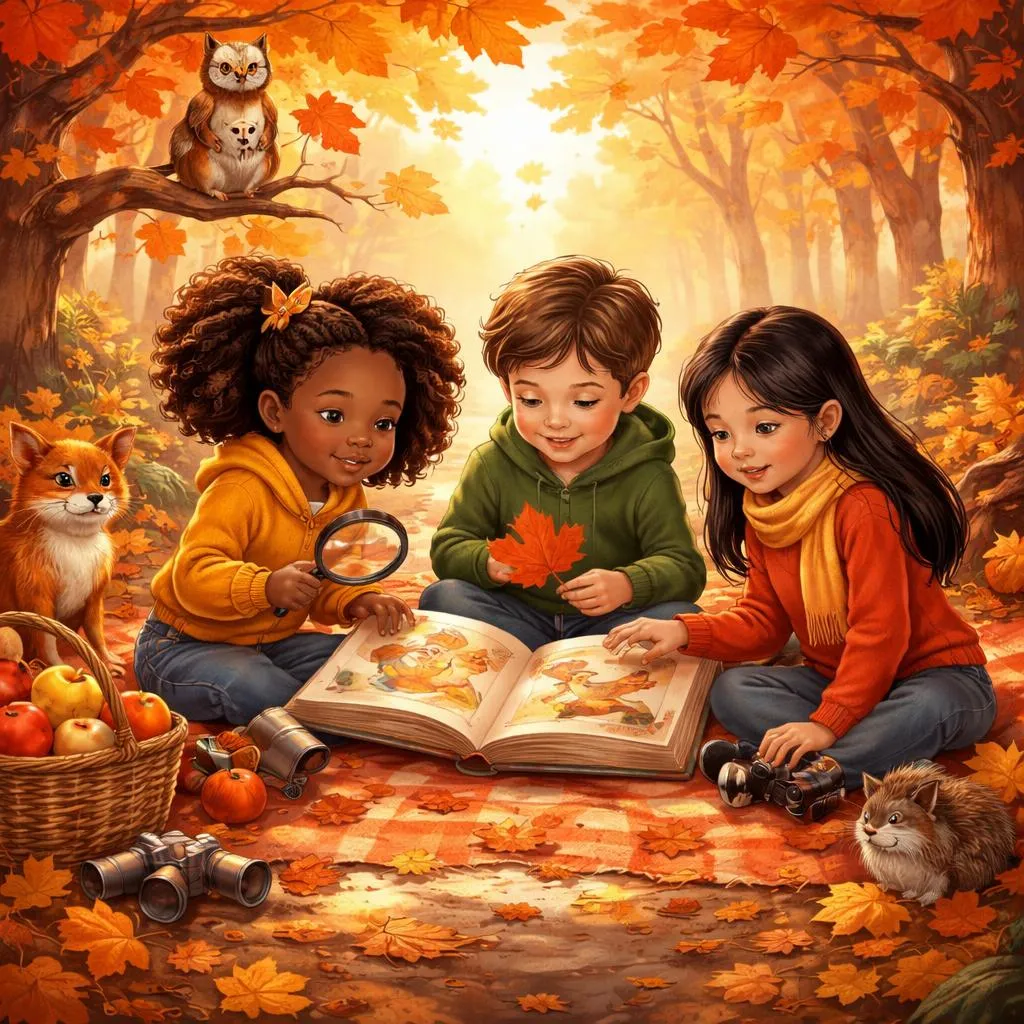

Seasons provide natural themes for language instruction. They offer observable changes. They bring new activities. They create distinct vocabulary sets. Children's stories about fall capture all these elements. The leaves change color. The weather turns cool. Animals prepare for winter. Families celebrate harvest holidays. These narratives connect language learning to the world outside the window. Children see the story elements in real life. The words gain concrete meaning. The themes become personally relevant. Let us explore how autumn tales support vocabulary development, grammar understanding, and cultural learning in early childhood classrooms.
What Are Children's Stories About Fall?
These are narratives set during the autumn season. They feature elements specific to this time of year. Colorful falling leaves appear in many stories. Animals gathering food for winter feature prominently. Harvest celebrations like Thanksgiving provide story contexts. Halloween tales also fall into this category. Some stories teach about the season's science. Others use autumn as a backdrop for adventures. Common themes include change, preparation, and gratitude. The stories range from simple board books for toddlers to more complex picture books for early readers. All share the seasonal setting that makes vocabulary concrete and observable.
Categories of Fall Stories
Understanding different story types helps in selecting appropriate materials for specific learning goals.
Leaf and Tree Stories: These focus on the most visible fall change. Leaves turning colors and falling. Trees preparing for winter. Stories like Leaf Man and Red Leaf, Yellow Leaf explore these themes. They teach color words and tree vocabulary.
Animal Preparation Stories: Tales about animals getting ready for cold weather. Squirrels gathering nuts. Birds flying south. Bears finding dens for hibernation. These teach animal names and action vocabulary.
Harvest Stories: Narratives about gathering crops. Pumpkin patches. Apple orchards. Corn mazes. Farmers markets. These introduce food vocabulary and agricultural terms.
Holiday Stories: Fall includes several holidays. Halloween stories feature costumes and trick-or-treating. Thanksgiving stories focus on family and gratitude. These build cultural vocabulary and traditions.
Weather Stories: Tales about the changing season. Cooler temperatures. Windy days. First frost. Rain and fog. These teach weather vocabulary and seasonal comparisons.
Vocabulary Learning from Fall Stories
Autumn narratives introduce rich vocabulary across multiple domains. The words connect to nature, weather, food, and activities.
Nature Words: leaf, leaves, tree, branch, ground, wind, forest, woods, acorn, pinecone. Color Words: red, orange, yellow, brown, gold, crimson, amber, rust, colorful, bright. Weather Words: cool, cold, wind, breeze, frost, fog, cloud, rain, storm, harvest moon. Animal Words: squirrel, chipmunk, bear, deer, goose, crow, turkey, mouse, owl, raccoon. Food Words: apple, pumpkin, corn, squash, potato, carrot, pie, cider, bread, nuts. Activity Words: rake, jump, gather, collect, carve, bake, cook, share, give, thank.
Each story introduces words in meaningful contexts. A squirrel story teaches gathering and storing. A pumpkin patch story teaches harvest and carving. The season provides natural connections.
Phonics Points in Fall Stories
Specific sound patterns appear frequently in autumn-themed narratives. Identifying these helps build decoding skills.
The /f/ sound: fall, leaf, forest, frost, fog. The season name starts with this sound. Practice saying fall words together.
The /l/ sound: leaf, leaves, fall, colorful, apple. Leaves appear everywhere. Apples feature in harvest stories. The sound repeats naturally.
The /s/ sound: squirrel, scarecrow, September, season. Squirrels star in many fall tales. Scarecrows appear in harvest stories.
The /r/ sound: red, rake, ready, harvest. Red leaves dominate. Rakes gather them. Animals prepare. The sound appears throughout.
Rhyming words: fall/all, leaf/chief, tree/see, apple/cattle. Many fall books use rhyme. Point out patterns naturally during reading.
Grammar Patterns in Fall Stories
Children's stories about fall model essential grammar structures within seasonal narratives.
Present Tense Observation: Stories use present tense for ongoing fall changes. "The leaves turn red." "The wind blows strong." "Squirrels gather nuts." This matches what children observe outside.
Past Tense Narrative: Many fall stories use simple past tense. "The children jumped in the leaves." "We picked apples at the farm." This models past tense for personal experiences.
Comparative Language: Fall invites comparisons. "The leaves are redder than yesterday." "This pumpkin is bigger than that one." "The weather is cooler now." Comparatives appear naturally.
Future Preparation: Animals prepare for winter using future language. "The bear will sleep all winter." "The birds will fly south." "We will wear warm coats." This models future tense meaningfully.
Preposition Use: Fall stories use location words constantly. "Leaves fall from the tree." "Squirrels hide nuts in the ground." "Children play in the leaves." Pictures show these relationships clearly.
Learning Activities for Fall Stories
Active engagement helps children internalize vocabulary and themes through hands-on learning.
Leaf Collection and Sorting: Take students outside to collect real leaves. Sort by color, size, or shape. Use color words. "This leaf is red." "This one is yellow." Count leaves using number words.
Leaf Rubbing Art: Place leaves under paper. Rub crayons over them. Leaf shapes appear. Label the artwork with color words and tree names if known. Display with fall vocabulary cards.
Apple Taste Test: Provide different apple types. Red, green, yellow. Slice and taste. Describe flavors using simple words. Sweet, sour, crunchy, juicy. Graph favorites. Use comparison language.
Pumpkin Investigation: Bring a small pumpkin to class. Describe its appearance. Orange, round, smooth, heavy. Count the lines. Predict what inside looks like. Cut open and explore. Use all five senses vocabulary.
Scarecrow Creation: Create a classroom scarecrow using old clothes and straw or newspaper. Label body parts and clothing items. Give the scarecrow a name. Write a simple story about it.
Learning Activities for Group Settings
Collaborative learning builds language through interaction and shared experiences.
Fall Walk and Talk: Take a walking field trip around the school or neighborhood. Point out fall signs. Leaves changing. Birds gathering. Cooler air. Students describe what they see using complete sentences.
Story Sequencing with Fall Pictures: Create picture cards showing fall activities. Raking leaves. Jumping in piles. Carving pumpkins. Eating Thanksgiving dinner. Small groups arrange in logical order and describe each step.
Harvest Market Role Play: Set up a pretend farmer's market. Students take turns being farmers and customers. Practice shopping language. "How much is the pumpkin?" "I want three apples, please." This builds functional language.
Thankful Circle: Sit in a circle. Pass a small pumpkin or fall object. Each student completes the sentence "I am thankful for..." when holding the object. This builds gratitude and sentence completion skills.
Educational Games from Fall Stories
Games transform learning into playful competition. These require minimal preparation.
Leaf Matching Game: Collect pairs of real or paper leaves with similar colors and shapes. Place face down. Students flip two leaves looking for matches. Name colors when flipping.
Scarecrow Says: Play like Simon Says with fall actions. "Scarecrow says rake the leaves." "Scarecrow says jump in the pile." "Fly south like a bird." Students follow commands. This builds listening comprehension.
Apple Toss: Decorate a basket as an apple barrel. Students stand at a distance and toss small balls or beanbags into the basket. Before tossing, they must name a fall word. This builds vocabulary recall.
Fall Bingo: Create bingo cards with fall pictures. Leaf, apple, pumpkin, scarecrow, squirrel, acorn. Call out words. Students cover matching pictures. First to cover a row wins.
Printable Materials for Fall Stories
Ready-to-use printables extend learning beyond story time into independent practice.
Fall Vocabulary Flashcards: Create cards with fall pictures on one side and words on the other. Leaf, apple, pumpkin, squirrel, acorn, scarecrow, harvest, Thanksgiving. Use for matching games or quick review.
Leaf Color Cards: Create color cards showing fall leaf colors. Red, orange, yellow, brown, gold. Students match real or paper leaves to color cards. Practice color names.
Fall Mini-Book: Fold paper to create a small book. Each page shows one fall element with simple text. "Leaves fall down." "Apples are red." "Squirrels gather nuts." Students illustrate each page.
Coloring Pages: Print outline drawings of fall scenes. Children raking leaves. Pumpkins in a patch. Scarecrow in a field. Thanksgiving dinner. Students color while discussing with partners.
Fall Scavenger Hunt: Create a simple checklist of fall items to find. Red leaf. Yellow leaf. Acorn. Pinecone. Stick. Students check off items they find outdoors. Use present tense to describe finds.
Daily Life Connections to Fall Stories
Linking story themes to daily experiences makes learning relevant and personal.
Weather Observations: Start each day by observing and describing the weather. Use fall vocabulary. "Today is cool and windy." "The sky is gray." "Leaves are blowing." Chart weather patterns through the season.
Clothing Changes: Fall brings clothing changes. Discuss what students wear now versus summer. Jackets, sweaters, boots, hats. Use comparison language. "In fall, we wear warmer clothes."
Food Changes: Fall foods appear in markets and homes. Discuss seasonal foods students eat. Apples, pumpkins, squash, warm soups. Connect to harvest stories. Practice food vocabulary during meals and snacks.
Family Traditions: Fall includes holidays and family activities. Students share their family's fall traditions. Apple picking. Pumpkin carving. Thanksgiving dinner. This builds narrative skills and cultural awareness.
Printable Flashcards from Fall Stories
Effective flashcards support multiple learning styles and review methods.
Picture-Word Cards: Front shows simple fall drawing or printed image. Back shows word in English. Use for self-study, partner practice, or classroom displays. Store in seasonal envelope.
Color Cards with Words: Create cards showing fall colors with color words. Students match real leaves to color cards. Practice saying "This leaf is red" using complete sentences.
Action Cards: Create cards showing fall actions. Raking, jumping, gathering, carving, baking. Students act out actions while others guess. This builds verb vocabulary through movement.
Sequence Cards: Create cards showing fall changes. Green tree. Colorful tree. Bare tree. Snow on branches. Students arrange in order and describe using complete sentences.
Phonics Practice from Fall Words
Use fall vocabulary to practice specific phonics patterns.
Initial Sound Sort: Provide fall picture cards. Leaf, apple, pumpkin, squirrel, acorn, scarecrow. Students sort by beginning sound. L words. A words. P words. This builds phonemic awareness.
Rhyming Word Hunt: Find words that rhyme with fall. All, ball, call, hall, tall. Create rhyming pairs and use in fall sentences. "The leaves fall. I bounce a ball."
Syllable Clapping: Clap syllables in fall vocabulary. Leaf (1). Ap-ple (2). Pump-kin (2). Scare-crow (2). Har-vest (2). This builds phonological awareness through physical movement.
Vowel Sound Sort: Sort fall words by vowel sounds. Leaf has long /e/. Apple has short /a/. Pumpkin has short /u/. This builds vowel discrimination at appropriate levels.
Grammar Patterns Practice
Use fall story sentences to practice specific grammar structures naturally.
Present Tense Observation: Practice present tense using fall observations. "The leaves turn colors." "Squirrels gather nuts." "The wind blows." Students create sentences about what they see outside.
Past Tense Sharing: Share past fall experiences using past tense. "Yesterday we picked apples." "Last week we jumped in leaves." "We ate pumpkin pie." Students share their own past experiences.
Future Tense Planning: Discuss fall plans using future language. "Tomorrow we will rake leaves." "Next week we will carve pumpkins." "We will visit the farm." This models future tense meaningfully.
Because Sentences: Practice causal sentences using "because." "Leaves fall because the days get shorter." "Squirrels gather nuts because winter is coming." "We wear coats because it is cold." This builds causal language.
The Seasonal Teaching Power of Fall Stories
Children's stories about fall offer unique advantages in language classrooms. The season provides observable phenomena that make vocabulary concrete. Children see leaves changing as they learn color words. They feel cooling temperatures while learning weather vocabulary. They taste apples while learning food names. The stories connect to real experience. This connection strengthens memory and understanding. Fall also brings holidays and traditions that build cultural knowledge. The season's themes of change and preparation support social-emotional learning alongside language development. For educators, autumn tales provide rich material across multiple domains. Vocabulary, phonics, grammar, science, and cultural studies all find a place. The season itself becomes a classroom resource. That integration creates deep, meaningful learning that extends far beyond story time.