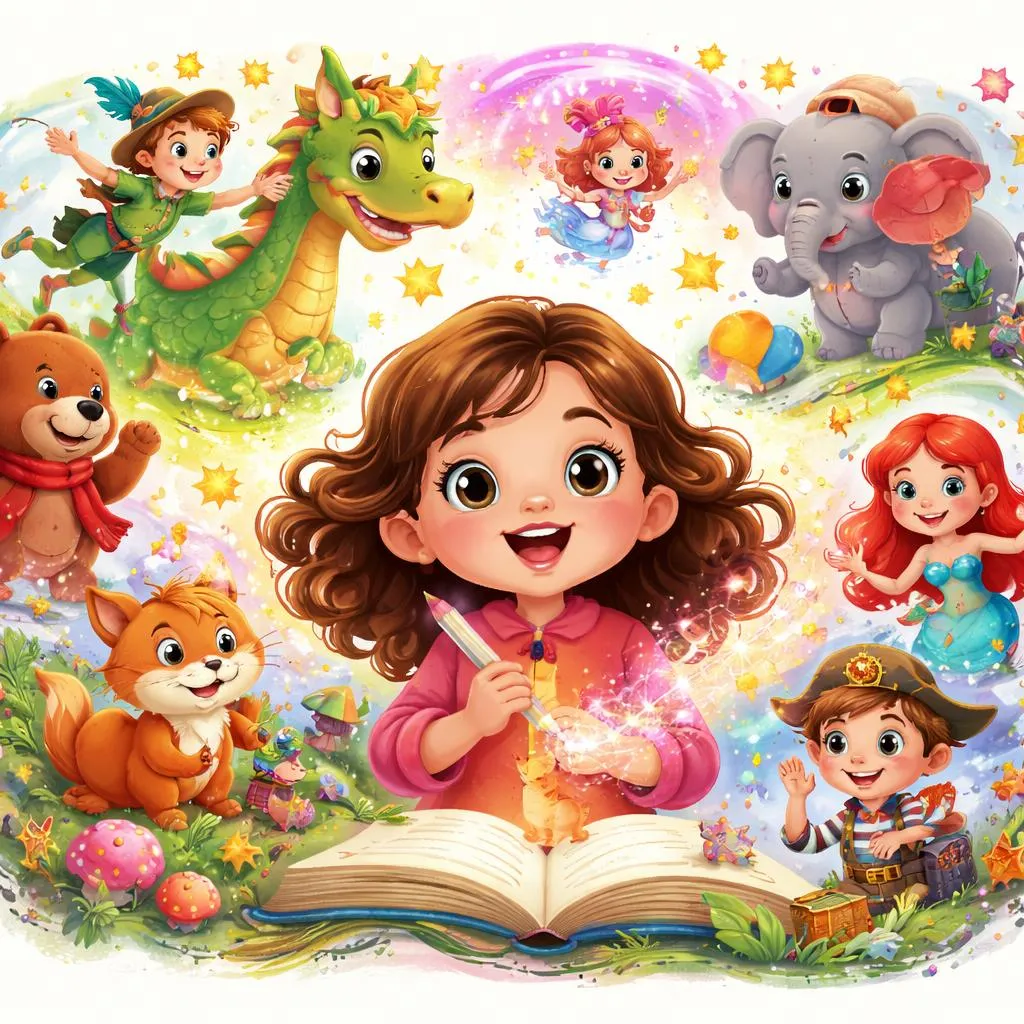

What Are Children's Story Book Character Names? Let us explore this fascinating aspect of children's literature together. Children's story book character names are the names given to characters in stories. These names often have special meanings or sounds. They help readers remember and connect with characters. Some names describe what the character is like. Big Ears suggests someone with large ears. Some names use alliteration to make them catchy. Peter Pan, Willy Wonka, and Donald Duck are examples. Some names are ordinary names children recognize. Charlotte, Wilbur, and Stuart feel like real people. Other names are invented and fantastical. The Cat in the Hat has no other name at all. Names help bring characters to life in readers' imaginations.
Meaning and Purpose of Character Names Character names serve several important purposes in storytelling. They help readers identify and remember different characters. A distinctive name stands out in memory. Names also often reveal something about the character. Cruella de Vil sounds cruel and devilish. Names can also suggest the character's personality or role. Grumpy, Sleepy, and Doc perfectly describe the seven dwarfs. Names also help create the mood of the story. Whimsical names fit fantasy tales; ordinary names fit realistic stories. Names can also show where or when a story takes place. Historical stories use period-appropriate names. Names help children connect with characters they love. A beloved character's name becomes special to readers.
Common Types of Character Names We can identify several types of character names in children's books. Descriptive names tell what the character is like. Big Bad Wolf, Sleeping Beauty, and Papa Bear are examples. Alliterative names have the same beginning sound. Peter Pan, Willy Wonka, and Marilyn Monroe use this pattern. Rhyming names are fun and memorable. Higglety Pigglety and Humpty Dumpty are classics. Ordinary names sound like real people. Harry Potter, Matilda Wormwood, and Ramona Quimby. Animal names fit the creature they belong to. Peter Rabbit, Benjamin Bunny, and Jemima Puddle-Duck. Fantastical names are invented for imaginary worlds. Gandalf, Frodo, and Asgard belong here. Humorous names make children laugh. Captain Underpants and Super Diaper Baby are silly.
Vocabulary Learning From Character Names Character names introduce interesting name vocabulary for children. Name means a word by which a person or thing is known. Character means a person or animal in a story. Alliteration means the same sound at the beginning of nearby words. Description means a word or phrase that tells what something is like. Meaning refers to what a name signifies or represents. Identity means who someone is; their essential being. Personality means the combination of qualities that form character. Memorable means worth remembering or easy to remember. Distinctive means characteristic of one person or thing. Ordinary means normal, not special or different. We can teach these words with examples from familiar stories. Use them in sentences about characters children know.
Phonics Points in Character Names Character names provide useful phonics practice with varied sounds. Peter has the long E and short E and ER sound. Rabbit has the short A and short I. Paddington has the short A and short I and ING. Winnie has the short I and long E. Pooh has the long OO sound. Charlotte has the SH sound and short A and short A and T. Wilbur has the short I and short U and ER sound. Stuart has the ST blend and long U and ART sound. Harry has the short A and long E. Potter has the short O and ER sound. We can focus on one sound pattern from each name. Find other words with that sound in the story. Write them on name tag shapes for practice.
Grammar Patterns in Character Names Character names model useful grammar for young readers naturally. Names function as proper nouns in sentences. "Peter Rabbit ran through Mr. McGregor's garden." Possessive forms show belonging to characters. "Charlotte's web was beautiful." Names appear in dialogue between characters. "Wilbur, you are my friend," said Charlotte. Questions use names to address characters directly. "Where are you going, little duck?" Commands include names when giving directions. "Sit, Spot!" Descriptive language often includes names. "The clever, kind Charlotte saved Wilbur's life." Prepositional phrases show characters' locations. "With Peter, beside Pooh, near Harry." We can point out these patterns during reading.
Daily Life Connections Through Character Names Character names connect to children's lives in meaningful ways. Children have their own names with special meanings. They might be named after family members or for other reasons. Children know friends and classmates by their names. Names identify everyone in their world. Some children are named after book characters. Parents choose names from beloved stories. Children might pretend to be characters using their names. "I am Peter Pan!" they announce during play. Nicknames for children often come from characters. "Winnie" might be borrowed from Winnie the Pooh. We can point out these connections during reading. "Your friend is named Emily just like the character." "You have the same name as that bear!"
Learning Activities for Character Names Many activities deepen understanding of character names. Create name cards for characters in stories read. Write the name and draw the character. Design a name match game pairing names with character pictures. Match the name to the right character. Make a class book of favorite character names. Each child contributes a page with name and drawing. Discuss why authors choose certain names for characters. What does the name tell about the character? Invent new names for familiar characters. What else could the Cat in the Hat be called? Create a character naming guide for writing stories. What names fit brave characters? Funny characters? These activities make character names meaningful and engaging.
Printable Materials for Character Name Learning Printable resources support deep engagement with character names. Create character name cards with names and pictures from stories. Use for identification and matching games. Design a name meaning chart with common character names. List name and what it might mean or suggest. Make a match game pairing characters with their story titles. Match Peter Pan with Neverland, Winnie with Hundred Acre Wood. Create a name sorting activity by name type. Sort into descriptive, alliterative, ordinary, fantastical categories. Design a character name creation sheet for writers. Choose names for different types of characters. Make a favorite character name nomination form. "I like this name because..." prompts included. These printables structure name exploration activities effectively.
Educational Games About Character Names Games make character name learning playful and interactive. Play "Name That Character" describing a character by name. Others guess which character is being described. Create "Name Bingo" with character names on cards. Call out descriptions, children mark matching names. Play "Name Scramble" unscrambling letters to form character names. ETREP NARBEC becomes Peter Rabbit. Design "Name Categories" sorting names by type. Sort into alliterative, descriptive, ordinary, fantastical. Play "Match the Name" pairing characters with their names. Match the picture of Winnie with "Winnie the Pooh." Create "Name Story" where each child adds a sentence using a character name. Continue the story using different character names. These games build name knowledge through active participation.
Teaching That Names Have Meanings Character names often have meanings that enrich stories. Peter means rock, suggesting stability and strength. Charlotte is a feminine form of Charles, meaning free man. Wilbur means wild boar, fitting a pig character. Authors choose names intentionally for effect. Readers can explore what names might mean. Name dictionaries and online resources help. This adds another layer of understanding to stories. Children learn that names are not random choices. Their own names likely have meanings too. This builds appreciation for names in general. The exploration of name meanings becomes a lifelong interest.
Creating Memorable Character Names Aspiring writers can learn to create memorable character names. Consider what the name sounds like when spoken. Does it roll off the tongue easily? Think about what the name suggests or means. Does it fit the character's personality? Use alliteration to make names catchy. Peter Pan, Willy Wonka, and Donald Duck work well. Consider the character's species or type. Animal names should fit the creature. Think about the story's setting and time period. Names should match the world of the story. Make names easy for children to pronounce and remember. Simple, clear names work best for young readers. Practice by renaming familiar characters creatively.
The Power of Names in Storytelling Names have power to shape how readers perceive characters. Cruella de Vil sounds cruel before she does anything. Severus Snape sounds severe and snakelike. Albus Dumbledore sounds wise and grandfatherly. Children form impressions from names immediately. This is part of the author's storytelling toolkit. Names can create expectations that stories fulfill or subvert. A character named Tiny might actually be large. This irony adds humor and interest. Names can also show character growth. A character might earn a new name by story's end. Names are not just labels but part of the story's meaning.
Beloved Character Names Through Generations Some character names have delighted children for generations. Peter Rabbit first appeared over 100 years ago. Winnie the Pooh has been loved since the 1920s. Curious George has entertained since the 1940s. These names carry the weight of tradition and memory. Parents who loved these characters share them with children. The names connect generations of readers. New characters join the ranks of beloved names each year. Harry Potter, Matilda, and Elmer have joined the classics. The names become part of our shared cultural vocabulary. Children grow up knowing these names like old friends. The tradition continues with each new generation of readers.