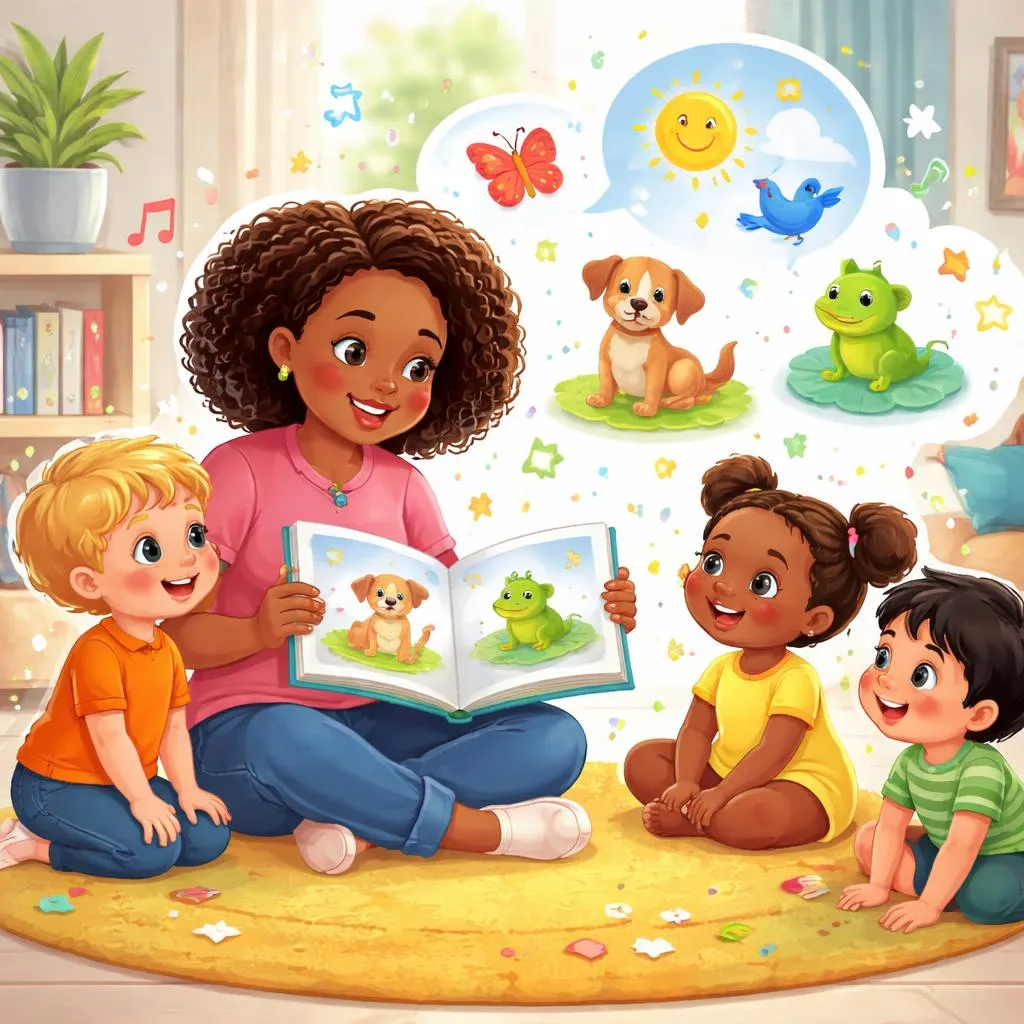

Working with very young learners requires a special approach. Attention spans are short. Vocabulary is limited. Life experience is just beginning. The materials must match these developmental realities. Simple stories for little children's early years provide the perfect foundation. These tales use basic words. They feature clear pictures. They repeat phrases often. They connect to daily experiences. This combination creates ideal conditions for language acquisition. Young minds absorb patterns naturally when stories feel safe and familiar. Let us explore how to select and use these stories effectively in early childhood education settings.
What Are Stories for Little Children's Early Years?
These are simple narratives designed for very young audiences. They typically feature few words per page. Illustrations carry much of the meaning. Plots follow simple sequences. Characters face basic problems. Solutions appear quickly. The language uses repetition and rhythm. These elements support emerging literacy skills. Children can predict what comes next. They join in with repeated phrases. They connect words to pictures. The best stories respect a child's limited experience while expanding it gently. Topics include daily routines, family, animals, and familiar objects. Nothing scary or confusing appears. Safety and predictability matter most at this stage.
Meaning and Explanation of Early Storytelling
Storytelling with little ones serves multiple purposes beyond language learning. It builds neural connections through listening. It strengthens attention through following a narrative. It develops empathy through identifying with characters. It creates positive associations with books and reading. When we share stories for little children's early years, we do more than teach words. We build relationships through shared attention. We model how books work. We show that marks on paper carry meaning. We demonstrate that stories have beginnings, middles, and ends. These foundational concepts prepare children for formal literacy instruction later. The emotional safety of lap reading creates optimal learning conditions.
Categories of Stories for Little Children
Understanding different story types helps in selecting appropriate materials for various learning goals.
Repetitive Pattern Stories: These tales repeat the same phrase throughout. "Brown Bear, Brown Bear, What Do You See?" provides a classic example. Repetition builds confidence. Children anticipate the phrase and join in reading.
Cumulative Stories: Events build upon each other like "The House That Jack Built." Each page adds something new while repeating everything before. This builds memory and sequence understanding.
Concept Books: These teach specific ideas like colors, numbers, or opposites. "Little Blue Truck" introduces animal sounds and colors. The story carries the learning naturally.
Bedtime Stories: Gentle tales ending with sleep. These create calming routines. Language remains simple and soothing. "Goodnight Moon" exemplifies this category perfectly.
Animal Stories: Young children connect deeply with animal characters. "The Very Hungry Caterpillar" teaches days, food, and transformation through an insect's journey.
Daily Life Examples with Little Children's Stories
Integrating stories into daily routines creates natural learning moments. Morning reading might feature a story about getting dressed or eating breakfast. Children connect the story words to their own actions. "Look, the bear puts on his shirt just like you."
During snack time, read a story about food. "The Very Hungry Caterpillar" works wonderfully while eating. Point to the apple in the book. Hold up a real apple. Say the word both times. This concrete connection builds understanding.
Before naptime, choose quiet stories with calming rhythms. "Goodnight Moon" establishes a predictable routine. Children learn that stories signal rest. The language of sleep becomes familiar through repeated exposure.
Outdoor play connects to stories about nature. After reading about a bug, go find real bugs. Use words from the story to describe them. This extends learning beyond book time.
Printable Flashcards from Little Children's Stories
Simple flashcards support early vocabulary development. Create cards featuring characters and objects from familiar stories.
Single Image Cards: Each card shows one clear image. The word appears below in large print. Use thick paper that small hands can manage. Laminating extends life.
Matching Pairs: Create two identical sets of story cards. Children match identical pictures while saying the word. This builds visual discrimination and vocabulary simultaneously.
Story Sequence Cards: Print four to six images showing main story events. Children arrange cards in order. This builds narrative understanding and sequencing skills.
Object to Word Matching: Lay out picture cards. Provide separate word cards. Children match words to pictures. Start with identical matches. Progress to independent matching.
Learning Activities Using Stories for Little Children
Active engagement deepens learning for young children. These activities work well in classrooms or at home.
Story Walk: Place story pictures on the floor in a path. Children walk from picture to picture, retelling the story at each stop. This combines physical movement with language use.
Prop Box: Collect real objects from a story. A basket, a red cape, some flowers for "Little Red Riding Hood." Children retell the story using the props. This builds narrative skills through play.
Story Cooking: Prepare a simple recipe connected to a story. Make porridge after reading "Goldilocks and the Three Bears." Use measuring words and action verbs naturally during cooking.
Character Puppets: Create simple stick puppets of story characters. Children move puppets while retelling events. This lowers language anxiety. The puppet speaks, not the child.
Learning Activities for Group Settings
Group activities build social skills alongside language development. Young children learn from watching peers.
Shared Reading: Gather in a small circle. Show the book's pictures clearly. Read slowly, pointing to words. Children chime in with repeated phrases. This builds book handling skills and phonological awareness.
Story Movement: Assign movements to story elements. When the bear appears, everyone stomps. When the bird appears, everyone flaps. Children listen for cues and respond physically. This builds listening comprehension.
Picture Talk: Display a story illustration without reading. Ask simple questions. "What do you see?" "What is happening here?" Children describe using whatever language they have. This builds observation and oral language.
Story Retelling Chain: Start retelling a familiar story. Stop after one sentence. The next child continues. Pass the story around the circle. This builds narrative skills and listening attention.
Educational Games from Little Children's Stories
Games make learning feel like play. These games require minimal preparation and materials.
Story Hide and Seek: Hide character pictures around the room. Children find them and name the character. For more challenge, they must say something that character did in the story.
What's Missing Game: Place three to five story objects or pictures on a tray. Children study them. Cover the tray. Remove one item. Children identify what disappeared. Name it in English.
Story Memory: Create matching pairs of story pictures. Place them face down. Children take turns flipping two cards, looking for matches. When finding a match, they name the picture.
Character Walk: Call out a character name. Children walk like that character. The stepmother walks proudly. Cinderella walks sadly. The mice run quickly. This builds vocabulary through physical expression.
Printable Materials for Little Children's Stories
Well-designed printables extend learning opportunities. Keep materials simple and visually clear.
Mini Books: Fold paper to create small books. Each page shows one story event with simple text. Children take these home to read with family. This builds pride and home-school connections.
Coloring Pages: Print outline drawings from stories. Children color while discussing the story with adults. This quiet activity reinforces vocabulary in a calm setting.
Simple Worksheets: Create pages with two pictures side by side. Children circle the one from the story today. This builds comprehension and attention.
Story Mats: Print a large scene from the story on legal-size paper. Laminate it. Children place small toys or counters on story elements as they hear them named. This builds listening comprehension.
Phonics Points in Simple Stories
Even very simple stories offer phonics learning opportunities. Focus on initial sounds and rhyming patterns.
Initial Sound Recognition: Point to a picture. Say the word slowly. Emphasize the first sound. "B-b-b-bear. What sound does bear start with?" Children hear the sound in context.
Rhyming Words: Many little children's stories feature rhyme. Point out rhyming pairs. "Cat and hat. They sound the same at the end." This builds phonological awareness essential for reading.
Sound Repetition: Some stories repeat specific sounds. "Silly snake slides slowly." The /s/ sound repeats. Children hear the pattern without formal instruction.
Environmental Print Connection: Connect story words to words children see daily. "Stop" in a story looks like the stop sign outside. This builds print awareness.
Grammar Patterns in Simple Stories
Young children absorb grammar through repeated exposure. Point out patterns naturally during reading.
Present Tense Actions: Stories use present tense for ongoing action. "The bear walks through the forest." This matches how children experience the world.
Simple Questions: Stories often ask questions directly to readers. "Do you see the cat?" Children answer naturally. This builds question-response patterns.
Prepositions: Stories use location words constantly. "In the house." "Under the bed." "On the chair." Point to pictures showing these relationships.
Plurals: Stories introduce one bear and then three bears. Children hear the /s/ sound marking plural. No rule teaching needed. Just repeated exposure.
Selecting Quality Stories for Little Children
Not all books marketed for young children support language development equally. Consider these factors when choosing.
Picture Clarity: Illustrations should clearly show what words describe. Confusing pictures confuse meaning. Simple, bold images work best for beginners.
Text Placement: Words should appear separate from pictures, usually below or beside. This helps children distinguish text from image. It also models reading direction.
Length Appropriateness: Very young children manage only a few minutes of attention. Choose books matching developmental attention spans. Save longer stories for older groups.
Cultural Relevance: Characters and situations should reflect children's experiences while gently expanding them. Familiar contexts build confidence. New contexts build knowledge.
Vocabulary Load: Count new words per page. More than three or four unfamiliar words overwhelms beginners. Aim for mostly known words with a few new ones.
The Daily Magic of Story Time
Simple stories for little children's early years create daily magic. A few minutes with a book builds language, attention, and connection. The words become familiar friends. The characters model emotions and solutions. The patterns prepare brains for reading. None of this requires expensive materials or extensive training. It needs only a caring adult, a simple book, and a few quiet minutes. That small investment returns enormous dividends in language development. Every story shared plants a seed. With repeated reading, that seed grows into a love of language that lasts a lifetime. The simplest stories often teach the deepest lessons.