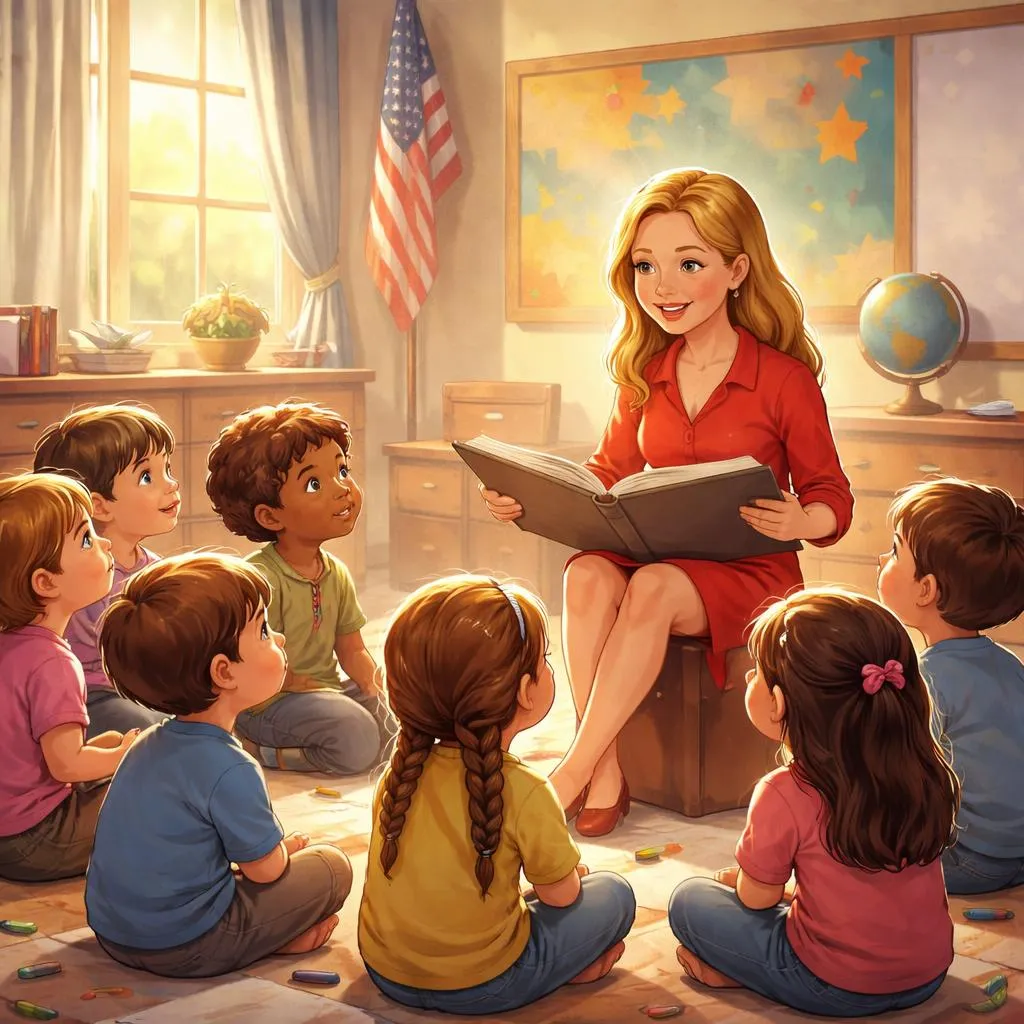

What Is The Children's Story by James Clavell? Let us explore this compelling and disturbing book together. The Children's Story is a short work by James Clavell published in 1963. Clavell is better known for novels like Shogun and King Rat. This story stands apart from his other works completely. It describes what happens in a classroom after a war. The country has been conquered by a foreign power. A new teacher arrives to take over the classroom. The children do not realize what is happening at first. The teacher seems kind and understanding with them. She asks questions that seem innocent and friendly. But slowly she undermines everything they believe. She takes away their symbols and traditions one by one. By the end, the children have betrayed their deepest values. The story shows how easily minds can be controlled.
Meaning and Purpose of This Story This story carries profound meaning about freedom and thought. Clavell wrote it during the Cold War era originally. He worried about the vulnerability of young minds. The story demonstrates how manipulation can appear as kindness. The new teacher never threatens or punishes the children. She smiles and speaks gently throughout. She asks them to think for themselves apparently. But her questions lead them to reject their own heritage. The Pledge of Allegiance seems meaningless after her questions. The Lord's Prayer becomes just words without meaning. The children give up their beliefs willingly and happily. They do not realize what they have lost at all. The story warns about the danger of thought control. It shows that freedom requires vigilance and questioning.
Main Characters in the Story We can identify several key characters in this narrative. The new teacher arrives as the representative of conquerors. She appears young, pretty, and friendly to the children. Her methods seem gentle but are deeply manipulative. She uses the children's own reasoning against them. The children range from first grade to fourth grade ages. They are ordinary American children in a typical classroom. They trust adults and want to please naturally. They do not recognize danger in friendly faces. Johnny emerges as one of the more vocal children. He asks questions and tries to understand what happens. The teacher defeats his objections with seeming kindness. The previous teacher represents the old order now gone. The children mention her with affection and respect. The new teacher replaces her in the children's hearts.
Vocabulary Learning from the Story The Children's Story introduces rich thematic vocabulary. Allegory means a story with hidden political or moral meaning. This story functions as an allegory about thought control. Indoctrination means teaching someone to accept beliefs uncritically. The new teacher indoctrinates the children systematically. Manipulation means controlling someone cleverly and unfairly. The teacher manipulates the children through kindness. Patriotism means love and loyalty to one's country. The story examines what patriotism really means. Symbolism uses objects to represent larger ideas. The flag and pledge carry symbolic meaning throughout. Loyalty means faithfulness to commitments and people. The children's loyalty gets tested and broken. Freedom means the power to think and act freely. The story shows freedom being lost without violence.
Phonics Points in the Story The Children's Story provides useful phonics practice with its language. Child has the CH digraph and long I sound. Teacher has the EA digraph and ER ending. Pledge has the PL blend and soft G. Allegiance has the short A and soft G. Country has the short U and long E. Freedom has the long E and long E. Vocabulary words offer valuable sound patterns. Manipulation has the short A and long A. Indoctrination has the short I and long A. Patriotism has the long A and short I. Symbol has the short I and short O. We can focus on one sound pattern from each section. Find all words with that sound in the chapter. Write them on flag or chalkboard shapes for practice.
Grammar Patterns in the Narrative The story models useful grammar for young readers effectively. Past tense carries the main narrative throughout. "The new teacher entered the classroom quietly." Present tense appears in dialogue and teaching moments. "Now let us think about what this means," she says. Future tense shows what will happen next. "Tomorrow we will learn new songs together." Questions drive the plot and manipulation forward. "Do you really understand what those words mean?" "Why do you say that pledge every morning?" Commands appear as gentle instructions from teacher. "Close your eyes and think carefully now." Descriptive language creates the classroom atmosphere. "The bright, cheerful room felt different somehow now." Prepositional phrases describe locations and relationships. "At the front of the room, beside the flag, in their seats." We can point out these patterns during reading.
Daily Life Connections Through the Story This story connects to children's experiences in disturbing ways. Trusting adults comes naturally to most children. Teachers and parents deserve trust in normal circumstances. The story shows this trust being exploited terribly. Children recognize classroom routines from their own lives. Pledges, prayers, and daily schedules feel familiar. The manipulation happens through seemingly innocent questions. Children answer questions like these in real classrooms. The story makes them question what they take for granted. Why do we say certain words every morning? What do they really mean to us? These questions are healthy in normal contexts. The story shows them used for unhealthy purposes. We can discuss these connections carefully with older children. "What do the words in our pledge mean?" "Why do we have traditions and symbols?"
Themes of Manipulation and Control The story explores how manipulation works on young minds. The teacher never forces the children to do anything. She never threatens or punishes them at all. She simply asks questions that undermine their beliefs. "What does allegiance really mean?" she asks sweetly. The children realize they cannot define the words. The pledges become meaningless sounds without understanding. She offers them new things that seem better. New songs, new games, new ways of thinking. The children accept these happily without realizing. They give up their old identity for a new one. The process happens gradually over a single day. By afternoon they are completely changed children. This shows how vulnerable open minds can be. Education without understanding leaves children unprotected.
The Role of Symbols in the Story Symbols carry enormous weight throughout this narrative. The American flag hangs in the classroom prominently. The children pledge allegiance to it each morning. The new teacher has them fold and put it away. They do not resist this change at all. The Lord's Prayer represents their religious heritage. The teacher questions whether they understand it. They realize they cannot explain what it means. The prayer loses power when not understood. The previous teacher represents trusted authority. The children loved her and felt safe with her. The new teacher replaces her in their affections. The children's own words and thoughts become weapons. Their innocent questions lead them to betrayal. Each symbol falls away as its meaning disappears.
Learning Activities for the Story Many activities deepen understanding of this complex book. Create a chart tracking what the children lose. List each tradition or symbol taken away. Discuss what each meant to the children originally. Write definitions for words like allegiance and liberty. Research what these words really mean historically. Compare the new teacher's methods to other manipulation examples. Look at advertising, propaganda, and persuasion techniques. Draw the classroom before and after the day. Show how the physical space changed completely. Write a scene from the previous teacher's perspective. What would she think seeing her classroom now? Create a guide for protecting against manipulation. What questions should we ask about what we're taught? These activities build critical thinking skills essential for life.
Printable Materials for the Story Printable resources support deep engagement with this text. Create vocabulary cards with key terms and definitions. Allegiance, indoctrination, manipulation, and symbolism appear. Design a timeline of events during that single day. Track how the children change hour by hour. Make character comparison charts for the two teachers. List their methods, words, and effects on children. Create a symbol tracking sheet for classroom objects. Note when each symbol gets removed or changed. Design discussion question cards for group conversations. "Why did the children give up their beliefs so easily?" Make a freedom reflection journal for personal responses. Students write about what freedom means to them. These printables structure literary analysis activities effectively.
Educational Games About the Story Games make exploring this serious topic engaging carefully. Play "Spot the Manipulation" identifying techniques used. Find each place the teacher influences children unfairly. Create "Symbol Match" pairing symbols with their meanings. Flag with freedom, prayer with faith, teacher with trust. Play "Before and After" describing changes in characters. How did Johnny change from morning to afternoon? Design "Protection Card" game creating defenses against manipulation. Each player suggests ways to stay aware and free. Play "Question the Questions" analyzing the teacher's words. Which questions were fair and which were traps? Create "Allegory Hunt" finding real-world connections. Where do we see manipulation happening today? These games build awareness through thoughtful engagement.
Teaching Critical Thinking Through the Story This story provides perfect material for teaching critical thinking. The children fail because they cannot define their words. They say pledges without understanding meaning. They pray without knowing what prayer means. The story shows the danger of empty traditions. Children need to understand what they believe and why. We can use this lesson positively in classrooms. Ask students to define important words they use. What does freedom actually mean to them? What does loyalty require in daily life? Why do we have the traditions we practice? Understanding protects against manipulation by anyone. Children who think cannot be controlled easily. The story becomes a warning and a lesson both. It shows what happens without critical thought. It inspires developing strong thinking skills instead.
The Author's Purpose and Background James Clavell wrote this story from personal experience. He was a prisoner of war during World War Two. He experienced captivity and thought control directly. This background gave him unique insight into manipulation. He saw how easily people can be broken down. He understood the importance of beliefs and identity. The story came from asking about his own children. Could they resist what he could barely resist? The answer disturbed him and inspired this book. He wrote it to warn parents and teachers everywhere. The book remains powerful decades after publication. Its lessons apply to many situations still today. New technologies and media manipulate constantly. The story's warning grows more relevant each year.
The Disturbing Ending The ending of this story leaves readers deeply unsettled. The children have completely changed by afternoon. They sing new songs and recite new pledges. They have forgotten their old teacher completely. When their mothers arrive to pick them up, the children do not leave. They want to stay with the new teacher instead. The mothers stand outside confused and frightened. Their own children do not want to come home. The story ends without resolution or hope. The reader knows what has been lost forever. Innocent children have been turned into something else. Their minds now belong to the conquerors completely. This ending forces readers to feel the loss. It makes the warning impossible to forget or ignore.
Why This Story Matters for Children This story serves as powerful protection for young minds. It shows manipulation happening in plain sight. The teacher never hides what she is doing. She simply asks questions the children cannot answer. Readers learn to beware of seemingly kind manipulation. They learn that not all smiles mean friendship. They understand that traditions have meaning worth preserving. The story does not frighten but rather educates. It arms children with awareness of how control works. Knowledge is the best defense against manipulation. The story also reminds adults of their responsibility. We must ensure children understand what they learn. Empty recitation leaves them vulnerable to anyone. Teaching meaning behind symbols protects freedom itself. This is why the story remains in classrooms today.