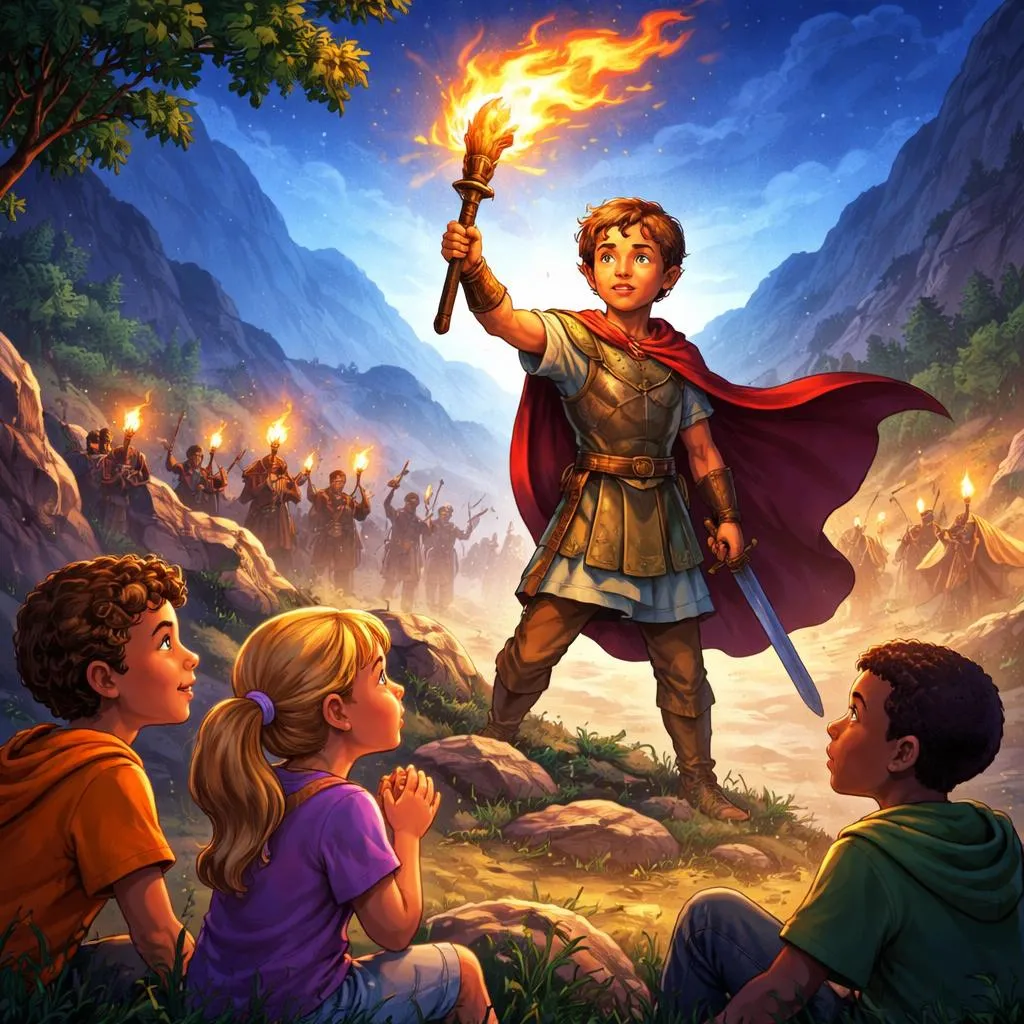

Stories from the Bible have nourished young hearts for generations. They carry timeless lessons about faith, bravery, and trusting in something greater than oneself. The Gideon children's Bible story stands out as a particularly powerful tale for young learners. It features an ordinary person asked to do extraordinary things. This narrative teaches children that strength does not come from numbers or power. It comes from belief and obedience. This article explores how teachers can share this inspiring story while building language skills and character in their students.
What Is the Gideon Children's Bible Story? The Gideon children's Bible story comes from the Book of Judges in the Old Testament. It tells about a man named Gideon who becomes an unlikely hero for his people. The Israelites were in trouble. Enemies called the Midianites kept stealing their crops and animals. The people cried out for help. God chose Gideon to save them. This choice surprised everyone, including Gideon himself. He came from the smallest family in the weakest tribe. He felt completely unprepared for such a big job. The story follows his journey from doubt to faith. It shows how God gave him signs of encouragement. It describes the unusual battle strategy using torches and trumpets. The story ends with a great victory achieved through trust rather than weapons.
Meaning and Explanation Behind the Story The Gideon story carries deep meaning beneath its exciting surface. At its heart, it teaches that God sees potential that others miss. Gideon thought he was the least important person possible. He said so himself. Yet he was chosen for a crucial task. This message resonates powerfully with children. Many feel small or overlooked. They think they cannot do important things. Gideon shows them that being chosen has nothing to do with being the biggest or strongest. It has to do with having a willing heart.
The story also teaches about facing fears. Gideon was afraid. He asked for signs to confirm he was doing the right thing. God provided those signs patiently. This shows children that it is normal to feel afraid. It is normal to have doubts. The important thing is to move forward despite those feelings. The fleece of wool, wet with dew while the ground stayed dry, became a sign that Gideon remembered forever.
Another layer involves trusting unusual instructions. The battle plan made no military sense. Three hundred men with torches and trumpets against a vast army? By human reasoning, this was impossible. Yet victory came exactly that way. Children learn that sometimes the best path forward is not the most obvious one. Trusting guidance can lead to surprising results.
The Main Characters in the Story Understanding the Gideon children's Bible story means knowing the key figures involved.
Gideon: The main character of the story. He was a farmer from the tribe of Manasseh. He was threshing wheat in a winepress to hide it from the Midianites when an angel appeared. He started as a very doubtful and fearful person. He asked for multiple signs to confirm God's plan. He grew into a brave leader who trusted completely by the end. His story shows a journey of developing faith.
The Angel of the Lord: This messenger appeared to Gideon with surprising news. "The Lord is with you, mighty warrior," the angel said. Gideon was not acting like a warrior at that moment. He was hiding. Yet the angel saw what Gideon could become, not just what he was at that moment.
The Midianites: The enemy in the story. They were a large and powerful group of people. They came with their camels and tents like swarms of locusts. They destroyed the land and took what did not belong to them. They represented the problem that seemed too big to solve.
The 300 Soldiers: The men who stayed with Gideon after God reduced the army. Most people went home. Only these few remained. They became the instruments of victory through their obedience and courage.
Daily Life Examples from the Gideon Story The Gideon children's Bible story connects to experiences children face every day. A child who feels too small for the soccer team understands Gideon's doubt. A student who struggles to read aloud in class knows what fear feels like. Someone who gets picked last for a game lives Gideon's story daily. The lesson becomes personal. You do not have to be the biggest or fastest to matter. You just have to try.
The fleece story also connects to real life. Children ask for signs all the time. Is this the right choice? Will I be okay? They look for confirmation before stepping into something new. Gideon's story validates this feeling. It shows that seeking reassurance is part of being human. The important thing is to move forward once the sign appears.
The battle strategy connects to times when things do not go as planned. A child studies hard but the test questions look unfamiliar. A team practices all week but the other team plays differently. Gideon's story teaches that unexpected approaches can work. Sometimes the path to success looks nothing like what was expected.
Vocabulary Learning from the Gideon Story The Gideon children's Bible story introduces rich vocabulary that builds language skills.
Courage Words: Brave, fearless, courageous, daring, heroic, bold.
Battle Words: Army, enemy, soldier, trumpet, torch, sword, battle, victory.
Faith Words: Trust, believe, obey, sign, promise, angel, Lord, prayer.
Emotion Words: Afraid, doubtful, worried, surprised, hopeful, confident, thankful.
Teachers can introduce these words before reading the story. Use simple definitions and pictures. Point out the words as they appear in the narrative. After reading, use the words in discussion questions. What made Gideon feel afraid? How did he show courage at the end? These words become part of each child's active vocabulary through meaningful use.
Phonics Points in the Gideon Story The names and places in this Bible story offer excellent phonics practice.
Beginning Sounds: Gideon starts with a hard G sound. Practice other G words together. God, good, great, give. Midianite starts with M. Practice M words. Moses, man, mighty, message.
Syllable Practice: Longer names help children practice breaking words into syllables. Gi-de-on has three syllables. Is-ra-el has three syllables. Mid-i-an-ites has four syllables. Clapping syllables makes this a physical activity.
Letter Patterns: The word angel contains the soft G sound in the middle. Compare with the hard G in Gideon. This teaches that letters can make different sounds depending on their position.
Rhyming Words: Find rhyming pairs related to the story. Fight and might. Blow and go. Hear and fear. These reinforce phonemic awareness while connecting to the content.
Teachers can pause during reading to notice these patterns naturally. The story provides a meaningful context for phonics instruction.
Grammar Patterns in the Gideon Story The simple narrative structure of the Gideon children's Bible story provides clear grammar models.
Past Tense Verbs: The story happens long ago, so past tense appears throughout. God called Gideon. The angel appeared. Gideon obeyed. The soldiers blew their trumpets. This provides natural exposure to regular and irregular past forms.
Commands and Instructions: God gave clear commands to Gideon. "Go in this strength of yours." "Break down the altar." "Take the meat and bread." These imperative sentences show how English gives instructions.
Questions and Answers: Gideon asked many questions. "How can I save Israel?" "Where are all your wonders?" "How will I know?" The story includes both the questions and the answers, modeling complete conversational patterns.
Descriptive Language: The story uses adjectives to paint pictures. Mighty warrior, vast army, small family, fleecy wool. These descriptions enrich language and teach descriptive skills.
Teachers can point out these patterns during rereading. The second or third reading provides space for noticing language structures while the story remains familiar and comfortable.
Learning Activities for the Gideon Story Activities bring the Gideon children's Bible story to life in the classroom.
Activity: Sign of the Fleece Discuss how Gideon asked for signs. Give each child a small piece of wool or cotton. Ask them to think of something they would like a sign about. A test they hope to do well on. A new friend they want to make. A skill they want to learn. They hold the fleece and share their hope with a partner. This makes the ancient story personal and immediate.
Activity: Torch and Trumpet Craft Create simple torches using paper towel rolls and yellow tissue paper for flames. Make trumpets from construction paper cones. Children use these props to act out the battle scene. They hide their torches inside clay pots. They blow their trumpets and shout. This physical activity makes the story unforgettable.
Activity: Army Reduction Math Tell the story of how Gideon's army went from 32,000 to 300. Use counting bears or other math manipulatives to demonstrate this reduction. Start with 32,000 counters if possible, or use a smaller scale. Remove the fearful soldiers first. Then remove the ones who drank a certain way. Count the remaining 300. This connects math skills to the Bible story.
Activity: Brave Heart Discussion Sit in a circle and pass a small heart-shaped object. Each child holds the heart and shares one thing that feels scary but that they will try to do anyway. Reading a harder book. Speaking in front of the class. Trying a new game. This builds community and courage together.
Printable Materials for the Gideon Story Printable resources extend learning from the Gideon children's Bible story across multiple lessons.
Story Sequencing Cards: Create simple picture cards showing key moments. The angel appears to Gideon. Gideon destroys the altar. The fleece is wet and dry. The army drinks water. The battle with torches and trumpets. Children arrange the cards in correct order, retelling the story as they work.
Character Masks: Create masks of Gideon, the angel, and the soldiers. Children wear them during story retelling or dramatic play. The masks make the characters real and personal.
Coloring Pages: Create outline drawings of story scenes. Children color while listening to the story again. This quiet activity reinforces the narrative in a calm and focused way.
Memory Verse Card: Create a small card with the key verse from the story. "The Lord is with you, mighty warrior." Children decorate the card and take it home. They practice reading it with their families.
Word Search: Create a word search using vocabulary from the story. Gideon, angel, trumpet, torch, fleece, army, brave, trust. This provides quiet independent practice with important words.
Educational Games for the Gideon Story Games provide a fun way to review and remember the Gideon children's Bible story.
Game: Gideon Says Play this like Simon Says but with Gideon as the leader. Gideon says blow your trumpet. Gideon says hide your torch. Gideon says drink from the stream. Children follow the commands. If the leader does not say "Gideon says," children freeze. This game reinforces story details while getting children moving.
Game: Fleece or Ground Call out different scenarios from the story or from modern life. "Gideon was afraid." Children decide if this is like the fleece being wet or the ground being dry. Wet fleece means a sign of encouragement. Dry ground means no sign. They move to one side of the room or the other. This builds comprehension through physical response.
Game: Story Bingo Create bingo cards with words and images from the story. Read definitions or descriptions. Children cover the matching square. The first to complete a row wins. This game provides vocabulary review in a familiar format.
Game: Pass the Torch Sit in a circle with a pretend torch made from paper. Play soft music while the torch passes around. When the music stops, the child holding the torch answers a question about the story. What did Gideon thresh wheat in? How many soldiers stayed? What did the soldiers blow? This combines suspense with story review.
Connecting the Gideon Story to Character Education The Gideon children's Bible story provides rich material for character education lessons.
Courage: Gideon started afraid but acted anyway. This models true courage. Being brave does not mean being unafraid. It means moving forward despite fear. Discuss times when children need this kind of courage.
Humility: Gideon did not think he was special. He came from a small family. Yet he became a leader. This teaches that leadership comes from character, not from position.
Obedience: Gideon followed instructions even when they seemed strange. The battle plan made no sense, but he obeyed. This teaches the value of trusting guidance from those who know more.
Faith: The whole story rests on trust in things not seen. Gideon believed God would do what was promised. This models faith for young hearts.
Teachers can weave these character lessons throughout the day. When a child shows courage, connect it to Gideon. When someone follows instructions, remember Gideon's obedience. The story becomes a touchstone for character development throughout the year.
The Gideon children's Bible story continues to inspire new generations because its themes remain timeless. A small person facing a big challenge. Doubt transforming into faith. Unlikely methods leading to victory. These elements speak to the human heart at any age. For children just beginning their faith journey, Gideon provides a friendly and relatable entry point. He shows them that God sees their potential even when they cannot see it themselves. He demonstrates that courage grows through use. He proves that the smallest person, with the right help, can accomplish the most amazing things. These lessons will serve children well throughout their lives, long after the details of the ancient story have faded from memory.