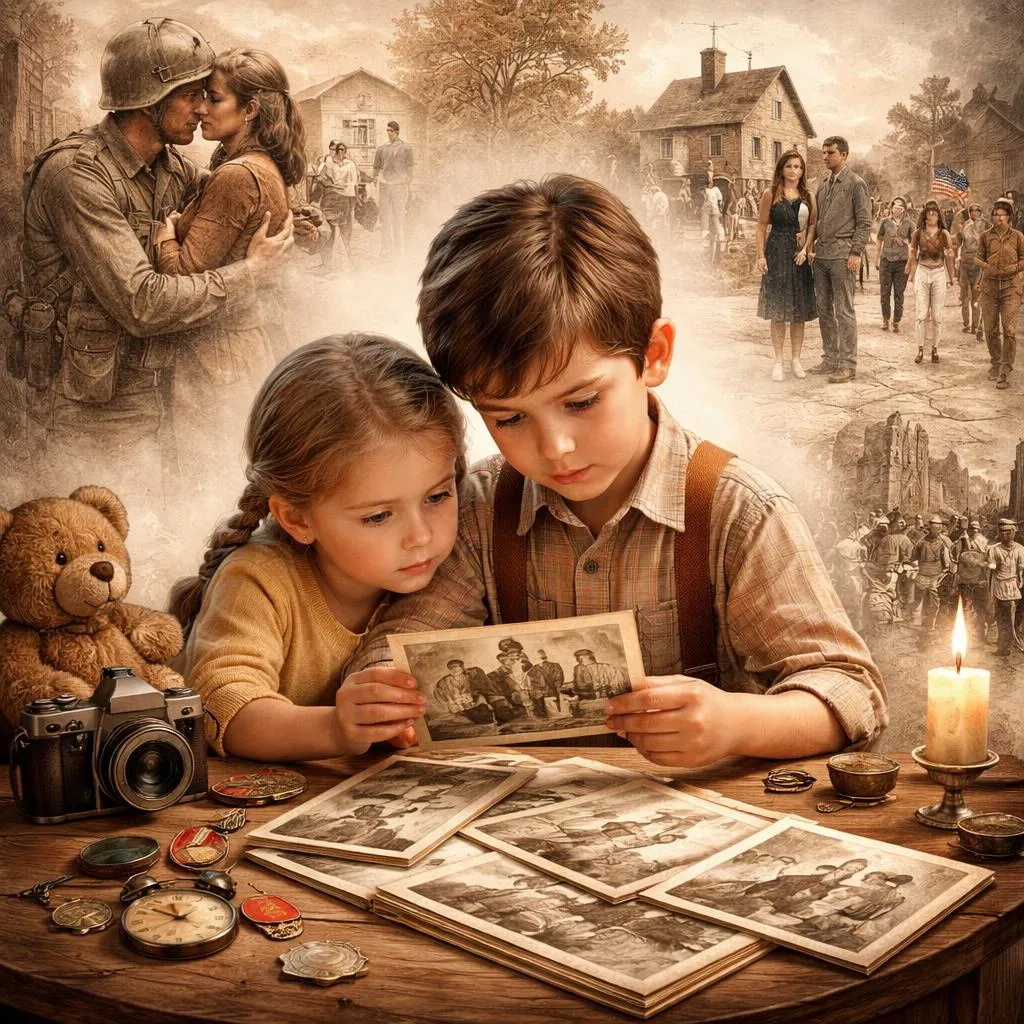

What Is Yesterday's Children True Story? Let us explore this important historical account together. Yesterday's Children tells the true story of children from another era. The book specifically recounts the Orphan Train movement in America. Between 1854 and 1929, an extraordinary program operated across the country. An estimated 250,000 orphaned and abandoned children were placed on trains. These trains carried them from crowded Eastern cities to the Midwest. The children sought new families and better lives out West. Some were genuine orphans with no living relatives at all. Others had parents who could not care for them financially. The trains stopped in towns where local families could apply for children. Farmers needed workers, families wanted children, and the system grew. The story follows specific children through this overwhelming experience. Their journeys, struggles, and triumphs fill the pages with emotion.
Meaning and Purpose of This Historical Account This true story serves multiple important purposes for readers today. It preserves the memory of a largely forgotten chapter in American history. Many people know nothing about the Orphan Trains at all. The book ensures these children's experiences are not forgotten. It also helps descendants of Orphan Train riders find their history. Thousands of families today descend from these transported children. The story connects modern readers to their own possible heritage. The account also raises questions about child welfare past and present. How did society care for vulnerable children then? How do we care for them differently now? The stories inspire gratitude for modern protections children have. They also honor the resilience of children facing enormous challenges. These ordinary children showed extraordinary courage and adaptability.
Main Elements of the Orphan Train Story We can identify several key elements in this historical narrative. Overcrowded Eastern cities created the need for this program. Immigrant families arrived but then faced poverty and illness. Children lost parents to disease, accidents, and childbirth frequently. Charities struggled to care for the growing numbers of orphans. The Children's Aid Society developed the train solution. Charles Loring Brace founded this organization in New York. He believed children deserved families, not institutions. The trains carried children west where families needed workers. Farmers wanted help, and children needed homes theoretically. Placement events occurred in towns along the train routes. Local committees screened applicants supposedly for suitability. Outcomes varied enormously for different children involved. Some found loving homes and thrived completely. Others experienced exploitation and harsh treatment instead.
Vocabulary Learning from the Story Yesterday's Children introduces rich historical vocabulary for learning. Orphan names a child whose parents have died completely. Abandoned describes children left without care or supervision. Immigrant means someone moving to a new country to live. Charity describes organizations helping people in need. Institution names a large facility caring for many children. Placement means finding a home for a child to live in. Indenture was a work contract binding children to families. Some children were indentured as workers, not adopted as family. Harvest describes gathering crops, often requiring many workers. Rural means countryside rather than city locations. Urban describes city environments where orphans originally lived. We can teach these words with examples from the historical context. Use them in sentences about the children's experiences.
Phonics Points in Historical Vocabulary The story's vocabulary provides useful phonics practice for readers. Yesterday has the Y sound and long E and short E. Children has the CH digraph and short I. Orphan has the OR combination and PH digraph. Train has the TR blend and long A. America has the short A and long E and short A. Historical words offer valuable sound patterns. Immigration has the short I and long A and short O. Institution has the short I and long U and short O. Agriculture has the short A and short U and TURE ending. Place names provide phonics elements. New York has the long U and OR combination. Midwest has the short I and short E. Chicago has the SH sound and long A and long O. We can focus on one sound pattern from each chapter. Find all words with that sound in the historical account. Write them on train or suitcase shapes for practice.
Grammar Patterns in Historical Narrative The story models useful grammar for young readers effectively. Past tense carries the main historical narrative throughout. "The train carried children from New York to Kansas." Present tense appears in analysis and connections today. "Descendants of these children still live in those towns." Future tense shows ongoing research and discovery. "Historians will continue to document these stories." Questions explore historical events and motivations. "Why did families agree to take orphan children?" "What happened to children who were not chosen?" Descriptive language paints historical scenes vividly. "The crowded, noisy train station overwhelmed the small children." Prepositional phrases describe locations and movements. "From New York, across the country, to new homes." We can point out these patterns during reading. Notice how the past tense tells us this happened long ago.
Daily Life Connections Through History This historical account connects to children's lives in meaningful ways. Family history interests many children naturally. They wonder where their own ancestors came from originally. The story encourages questions about their own family tree. Moving to a new place feels familiar to many children. They understand leaving one home for another. Being the new person in school mirrors placement experiences. Children know what it feels like to be unknown. Farm life connects to rural children's own experiences. City children learn how different life was long ago. Gratitude for family becomes more tangible through contrast. Children appreciate their own homes and parents more. We can point out these connections during discussions. "Imagine moving to a whole new place alone." "How would you feel meeting a new family?"
Learning Activities for the Story Many activities deepen understanding of this historical account. Create a timeline of the Orphan Train movement years. Mark when it started and ended with important dates. Map the train routes from Eastern cities to Midwest states. Trace the paths children traveled on paper maps. Research local history to see if trains came nearby. Some communities received trains and may have records. Interview older family members about family history. Ask where ancestors came from originally. Write journal entries from an orphan child's perspective. Describe the feelings of leaving and arriving somewhere new. Create artwork showing scenes from the orphan train journey. Draw train stations, train cars, and new homes. These activities make history personal and engaging.
Printable Materials for Historical Learning Printable resources support deep engagement with this true story. Create a timeline template for recording key events. List important dates in the Orphan Train movement. Design a map for tracing train routes across America. Mark Eastern cities and Midwestern destinations clearly. Make vocabulary cards with historical terms and definitions. Orphan, immigrant, indenture, and rural included. Create interview sheets for family history research. Questions about where ancestors lived and moved. Design a comparison chart for then and now. How did child welfare differ from today? Make journal templates for writing from historical perspective. Include prompts about feelings and experiences. These printables structure historical investigation activities effectively.
Educational Games About the Story Games make historical learning playful and interactive. Play "Orphan Train Journey" board game moving across map. Encounter events based on real historical experiences. Create "Match the Child" pairing descriptions with outcomes. Some children found homes, others faced challenges. Play "Then and Now" sorting cards into time periods. Compare child life in 1880 versus today. Design "Family History Detective" searching for ancestors. Use clues to trace possible family connections. Play "Train Station" dramatic play with roles. Station agents, children, and farming families interact. Create "What Would You Pack?" choosing items for journey. Discuss why certain items mattered for children then. These games build historical empathy through active participation.
Teaching About Child Welfare History The story provides opportunities to discuss child welfare evolution. Children long ago had few protections from harm. They could be placed in homes without much oversight. No one checked on their welfare after placement. They worked long hours with no labor laws protecting them. Education was not guaranteed for all children then. Today's child welfare systems developed from these experiences. Laws now require background checks for foster parents. Social workers monitor children's wellbeing regularly. School attendance is required by law everywhere. Children have rights that were unrecognized long ago. Understanding this history builds appreciation for protections now. It also shows that societies can improve over time.
The Search for Family Connections Many descendants search for their Orphan Train roots today. Records were often incomplete or lost completely. Children's names were changed by new families sometimes. This makes genealogical research very challenging. DNA testing now helps connect distant relatives. Online databases compile information from many sources. Reunions bring together descendants of train riders. They share stories and compare family histories. The book Yesterday's Children helps in this search process. It provides context for what ancestors experienced. Understanding the history makes research more meaningful. For some, it explains family mysteries and silences. Grandparents who never spoke about the past make sense now.
Resilience of Yesterday's Children The true story celebrates remarkable resilience in children. These young people faced enormous uncertainty alone. They left everything familiar behind permanently. They traveled to unknown places with strangers. They had to prove themselves to new families immediately. Many learned new work and adapted to new lives. Some found loving homes and thrived completely. Others endured hardship but survived nonetheless. Almost all carried emotional scars from the experience. Yet many built successful lives and families afterward. Their strength inspires readers facing their own challenges. If they could survive that, we can face our difficulties. The story honors ordinary children who showed extraordinary courage.
Preserving This History for Future Generations Keeping this history alive matters for many important reasons. The last Orphan Train riders have passed away recently. Living memory of the experience is now gone completely. Written accounts like Yesterday's Children become even more vital. Museums and historical societies collect相关资料. The National Orphan Train Museum exists in Concordia, Kansas. It preserves artifacts, documents, and photographs carefully. Educational programs teach new generations about this history. Descendants ensure their ancestors are not forgotten ever. The story reminds us that child welfare is always vulnerable. We must remain vigilant to protect all children. History forgotten may repeat itself tragically. Remembering yesterday's children protects tomorrow's children.