
A Friendly Hello and First Impressions
Bonjour! (bohn-ZHOOR). This is the official "Hello" in French. As-salamu alaykum! (ah-sah-LAH-moo ah-LAY-koom). This is a common Arabic greeting. It means "Peace be upon you". Mahadsanid! (mah-had-SAH-nid) means "Thank you" in Somali. Learning reading about Djibouti starts with these multilingual, friendly words.
Djibouti is a small country. It sits in the Horn of Africa. Its shape looks like a triangle pointing east. The triangle juts into a narrow sea passage. The country is in East Africa. Eritrea, Ethiopia, and Somalia are its neighbors. The Gulf of Aden and the Red Sea touch its coast. The Bab-el-Mandeb Strait is here. This is a vital waterway for world trade. The land is harsh, hot, and beautiful.
People call it the "Land of Trade and Naval Bases". Its location is super strategic. Many countries have military bases here. Another nickname is the "Gateway to the Suez Canal". Ships pass through its waters to reach the canal. Are you ready to explore a land of extreme geography?
Deep Dive into Culture and Stories
Echoes of History
The Afar and Somali people have lived here for centuries. They are nomadic herders. They are tough and resilient. Then, the French arrived in the 1800s. They wanted a coaling station for ships. The area became French Somaliland. Later, it was called the French Territory of the Afars and Issas.
A key leader was Hassan Gouled Aptidon. He was the first president. He led the country to independence in 1977. He ruled for 22 years. He kept the country stable. His story is a key part of learning reading about Djibouti. It is a story of building a new nation.
A Strategic World Contribution
Djibouti contributes its location to the world. The Bab-el-Mandeb Strait is a global chokepoint. Thousands of ships pass through every year. The country hosts naval bases for many nations. It is a place for international cooperation. Djibouti also provides port services for landlocked Ethiopia. This makes it a vital trade hub. This role is a unique contribution to global connectivity.
A Land of Fire and Salt
Djibouti's geography is extreme. The land is part of the Great Rift Valley. It is volcanic and rocky. The center has desert plains. The north has the Goda Mountains. The coast has sandy beaches. The lowest point in Africa is here. It is Lake Assal. It is 155 meters below sea level. The landscape is dramatic and barren.
The climate is extremely hot and dry. It is one of the hottest places on Earth. Rain is very rare. The environment is challenging. Most people live in the capital, Djibouti City. Nomads herd goats, sheep, and camels. There is very little farming. People import most of their food. Houses are built to stay cool. They have thick walls and small windows.
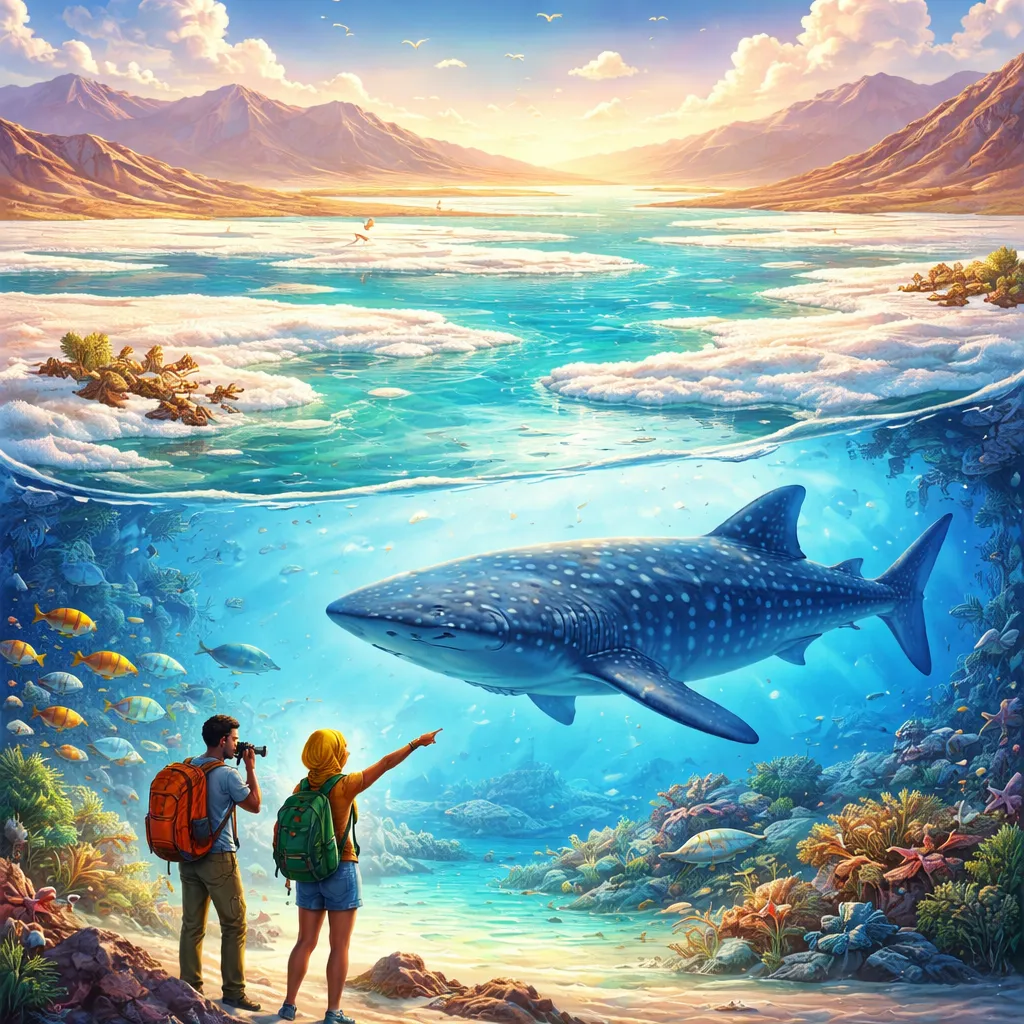
A special animal is the whale shark. It is the world's largest fish. It visits the Gulf of Tadjoura. It is gentle and eats plankton. The national animal is the elk. But the camel is a cultural symbol. It is vital for nomadic life. The national bird is the ostrich. The frankincense tree is a source of valuable resin.
Landmarks of Extreme Beauty
Visit Lake Assal. It is a crater lake. The water is ten times saltier than the sea. The shore is covered in pure white salt. The landscape looks like another planet. The air is silent and hot. People have mined salt here for centuries. A legend says the lake is the tear of a giant. He cried for his lost love. The lake is a stunning, surreal place.
See the Ardoukoba Volcano. It is a young volcano. It erupted in 1978. The eruption lasted for one week. Now, the volcano is dormant. You can hike to the crater. The lava fields are black and rough. The area feels raw and powerful. A fun story says the volcano is a sleeping dragon. The dragon's breath is the sulfur smell. The volcano is a reminder of Earth's power.
Another wonder is the Day Forest National Park. It is in the Goda Mountains. It is one of the only forested areas in Djibouti. The air is cooler. You can see juniper trees and acacias. It is a green oasis in the desert. The park is a refuge for wildlife. It feels like a secret garden.
Festivals of Independence and Culture
The biggest national holiday is Independence Day. It is on June 27th. It marks freedom from France in 1977. There is a big parade in Djibouti City. The military marches. Traditional dancers perform. People wear bright, colorful clothes. The national flag is everywhere. The colors are light blue, green, white, and red. A red star is in the center. The day is full of pride and joy.
Another important festival is Eid al-Fitr. It marks the end of Ramadan. The Muslim community celebrates. People wear new clothes. They go to the mosque for prayer. Then they visit family and friends. Children receive gifts. Special sweets are eaten. The festival is about community and gratitude.
Food and Flavors
The national dish is Skoudehkaris. It is a flavorful rice dish. It is made with lamb or goat meat. The rice is cooked with tomatoes and spices. It is similar to a pilaf. Families eat it on special occasions. It tastes savory, rich, and hearty. It is a celebration meal.
You must try Lahoh. It is a spongy pancake. It is made from sorghum or wheat flour. It is cooked on a griddle. People eat it for breakfast or a snack. They dip it in honey or soup. A good lahoh is soft and slightly sour. It tastes like a light, airy bread.
A Culture of Nomads and Ports
Djibouti is a mix of old and new. Nomadic traditions are strong. The Afar and Somali people move with their herds. They live in portable huts called "ari". They are masters of survival in the desert. This ancient way of life is a key part of learning reading about Djibouti.
The country is also modern. Djibouti City is a bustling port. It has railways, docks, and cranes. The city connects land and sea trade. This mix of camel and container ship is unique. It shows a country balancing tradition and the future.
Tips for Young Explorers
Cultural Manners Matter
Djibouti is a Muslim country. Dress modestly. Women should cover their shoulders and knees. Men should avoid very short shorts. This shows respect. Swimwear is for the beach only.
Greetings are important. A handshake is common. Use your right hand. You can say "Bonjour" or "As-salamu alaykum". Ask about the person's health and family. This is polite. Do not rush the greeting.
When eating, use your right hand. The left hand is considered unclean. Wash your hands before and after the meal. If food is shared, take from the part near you. Always try a bit of everything. Compliment the cook.
A Note on Staying Safe
Djibouti is generally safe. But be careful near border areas. Some borders are unstable. Always stay in tourist areas. Travel with a guide outside the city. Do not wander off alone.
The sun and heat are extreme. Stay in the shade during midday. Drink water constantly. Heatstroke is a real danger. Wear a hat and light, loose clothing. Protect your skin.
A Tasty Stop
Look for "sambusa" on the street. It is a fried pastry triangle. The filling is spiced meat or lentils. It is crispy and golden. Eat it hot. The sambusa is savory, crunchy, and delicious. It is a popular snack.
Healthy and Happy Travels
Drink only bottled water. This is the most important rule. Do not drink tap water. Avoid ice in drinks. Brush your teeth with bottled water. This keeps your stomach happy.
The sun is incredibly strong. Use the highest SPF sunscreen. Reapply it often. Wear sunglasses. The reflection from the salt flats can be blinding. Protect your eyes.
Listen to your guide. The desert and volcanic areas are wild. Do not touch unknown plants or animals. Some are dangerous. Your guide knows the land. Follow their advice.
Your Invitation to Explore
Start your journey with a map. Find Djibouti, the tiny country on the Horn of Africa. See its coast on the Bab-el-Mandeb Strait. Then, look at pictures of Lake Assal. See the bright white salt. This is a wonderful way of learning reading about Djibouti.
Visit a science museum. Look for a model of the Great Rift Valley. See how the Earth's plates are pulling apart. Imagine the volcanoes and salt flats. You can also try making a simple salt dough. Mix flour, salt, and water. Feel the texture. Imagine the vast salt pans.
The world is a big, open book. Each country is a different chapter. Djibouti's chapter is about salt, camels, and strategic seas. Open it with curiosity. Read about its volcanoes, nomads, and navy ships. Your curiosity is your guide.
Djiboutian families share a pot of skoudehkaris. Nomads guide their camels to water. Children play in the streets of the port city. We all know these scenes. We love sharing meals. We adapt to our environment. We find joy in community. Learning about Djibouti shows us this. Our global family is connected by trade, travel, and shared hopes. Keep exploring, one page, one country, at a time. Your adventure has just begun.