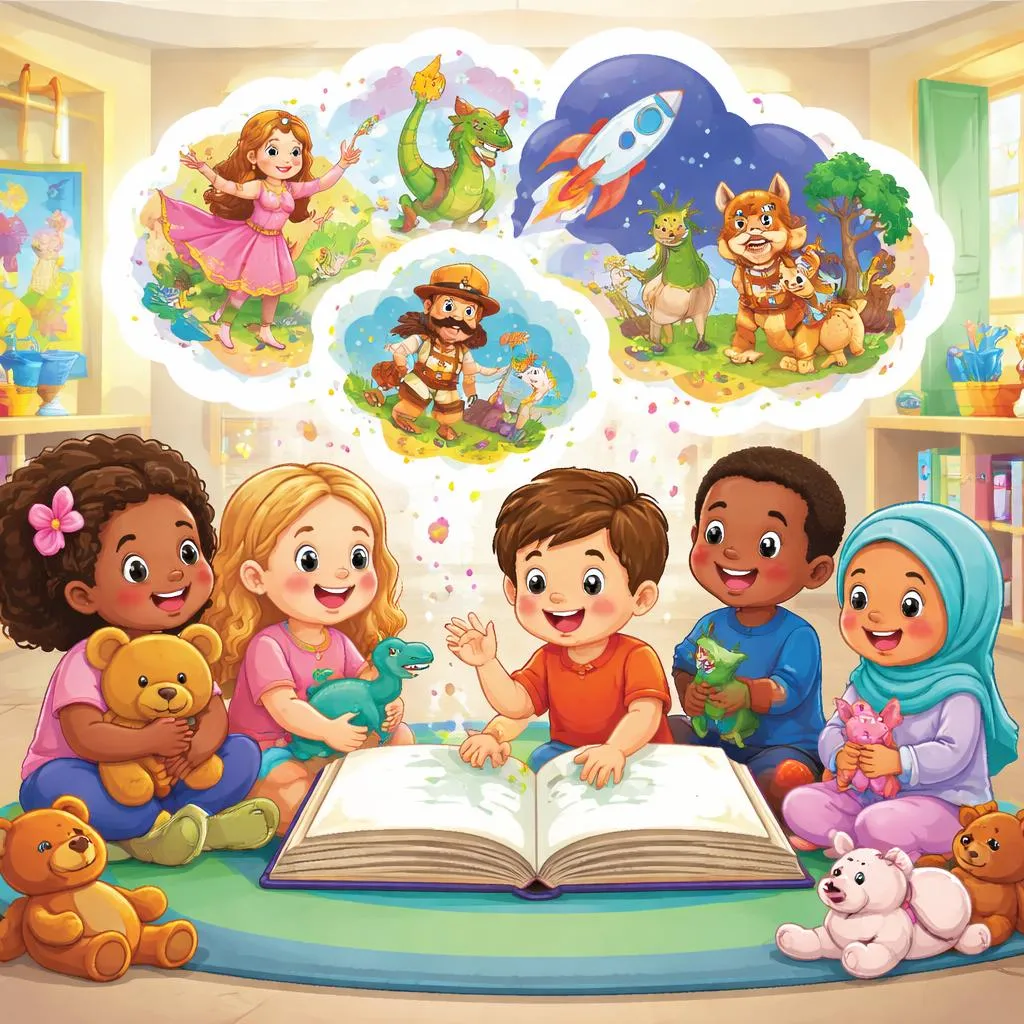

What Is A List of Children's Stories? Let us explore this valuable resource for educators together. A list of children's stories names well-loved tales that children enjoy. It includes classic stories that have delighted generations of readers. The list features picture books, fairy tales, and chapter books. Both old favorites and modern classics appear on comprehensive lists. Teachers use these lists to build classroom libraries effectively. Parents consult them when choosing books for children. Librarians recommend titles from these trusted lists. The stories represent diverse cultures and time periods. They include tales that have stood the test of time. Newer books that have gained widespread popularity appear too. A good list balances different types of stories for variety.
Meaning and Purpose of Story Lists Story lists serve several important purposes in literacy education. They provide guidance for choosing quality literature for children. With millions of books available, lists help narrow options. Teachers can trust that listed books have proven appeal. The lists also ensure exposure to essential cultural literacy. Certain stories are referenced throughout culture repeatedly. Children need to know these common cultural touchstones. Lists also help build well-rounded reading diets for children. They include different genres, time periods, and perspectives. This variety develops broad literary appreciation. Story lists also support curriculum planning for teachers. They can select books that align with teaching themes. The lists save hours of research time for busy educators.
Classic Picture Books on the List Many beloved picture books appear on popular story lists. "The Very Hungry Caterpillar" by Eric Carle teaches counting and days. Its colorful illustrations and simple story delight young readers. "Goodnight Moon" by Margaret Wise Brown soothes children at bedtime. The gentle rhythm and comforting words calm restless little ones. "Where the Wild Things Are" by Maurice Sendak explores imagination. Max's journey to where the wild things are captivates children. "The Cat in the Hat" by Dr. Seuss makes reading fun. Its playful rhymes and silly antics entertain beginning readers. "Brown Bear, Brown Bear, What Do You See?" builds pattern recognition. The repetitive text helps children predict and join in reading. These picture books form the foundation of early childhood literature.
Fairy Tales on the List Traditional fairy tales appear on every list of popular stories. "Cinderella" tells of kindness rewarded and dreams coming true. The glass slipper and fairy godmother enchant children everywhere. "Snow White and the Seven Dwarfs" features jealousy and friendship. The dwarfs and the prince save Snow White from the queen. "Sleeping Beauty" shows love conquering a terrible curse. The princess awakens after one hundred years of sleep. "Little Red Riding Hood" warns about talking to strangers. The wolf tricks Red Riding Hood on her way to grandmother's house. "The Three Little Pigs" teaches the value of hard work. Building with brick proves wiser than straw or sticks. "Goldilocks and the Three Bears" explores curiosity and consequences. Finding just right things leads to trouble with bears.
Chapter Books on the List Longer stories for older children appear on popular lists too. "Charlotte's Web" by E.B. White tells of friendship between pig and spider. Wilbur's life is saved by Charlotte's clever web writing. "Charlie and the Chocolate Factory" by Roald Dahl imagines a magical factory. Charlie Bucket's goodness earns him the greatest prize. "The Lion, the Witch and the Wardrobe" by C.S. Lewis opens a magical world. Four children discover Narnia through an ordinary wardrobe. "Winnie-the-Pooh" by A.A. Milne follows a bear and his friends. Simple adventures in the Hundred Acre Wood delight readers. "Alice's Adventures in Wonderland" by Lewis Carroll explores the absurd. Falling down the rabbit hole leads to strange encounters. "Peter Pan" by J.M. Barrie tells of the boy who never grows up. Flying to Neverland with Wendy and her brothers captivates imaginations.
Vocabulary Learning From Story Lists Story lists introduce rich literary vocabulary for children. Classic means something of high quality that lasts over time. Popular means liked by many people. Picture book means a book with many illustrations for young children. Fairy tale means a traditional story with magical elements. Chapter book means a longer book divided into chapters. Author means the person who wrote the book. Illustrator means the person who drew the pictures. Character means a person or animal in the story. Plot means the sequence of events in the story. We can teach these words with examples from familiar books. Use them in sentences about stories children know.
Phonics Points in Story Titles Story titles provide useful phonics practice with familiar words. Very has the short E and long E. Hungry has the short U and NG and long E. Caterpillar has the short A and short I and AR ending. Goodnight has the long OO and N and long I. Wild has the W sound and long I and LD blend. Things has the TH digraph and short I and NG blend. Cat has the short A and T sound. Hat has the short A and T sound. Brown has the BR blend and OW diphthong. Bear has the B sound and EAR combination. We can focus on one sound pattern from each title. Find other words with that sound in the stories. Write them on book shape templates for practice.
Grammar Patterns in Story Discussions Story discussions model useful grammar for young readers naturally. Present tense describes what happens in stories generally. "In this story, a caterpillar eats many different foods." Past tense tells what happened when reading the book. "We read about Max's adventure to where the wild things are." Future tense shows plans to read other books. "Next week we will read Charlotte's Web together." Questions explore comprehension and connections. "Why did the wolf want to eat the pigs?" "How did Cinderella feel at the ball?" Commands appear in reading instructions. "Look at the illustrations carefully." "Predict what might happen next." Descriptive language paints pictures of books. "The colorful, whimsical illustrations bring the story to life." Prepositional phrases describe where stories happen. "In the Hundred Acre Wood, through the wardrobe, under the sea."
Learning Activities With Story Lists Many activities deepen engagement with popular stories. Create a class reading chart tracking books read from list. Add a sticker each time a book is completed. Hold a story vote where children choose favorites from list. Graph which stories are most popular in class. Compare different versions of the same classic story. Read several Cinderella variants from different cultures. Create a story map showing where books take place. Pin locations on world map for each story's setting. Make a timeline showing when books were published. See how children's literature has changed over time. Write book reviews for stories on the list. Share recommendations with classmates.
Printable Materials for Story Lists Printable resources support deep engagement with popular stories. Create a reading log for tracking books from the list. Title, author, date finished, and rating spaces included. Design a book report template for favorite stories. Characters, setting, plot, and opinion sections included. Make a story comparison chart for two different books. List similarities and differences in organized columns. Create an author study page for favorite writers. Learn about their life and other books they wrote. Design a genre sorting activity with book titles. Sort stories into picture books, fairy tales, and chapter books. Make a story bingo game with book titles on cards. Mark when books are read throughout the year.
Educational Games With Story Lists Games make story list learning playful and interactive. Play "Story Charades" acting out titles without words. Others guess which popular story is being portrayed. Create "Match the Author" pairing writers with their books. Match E.B. White with Charlotte's Web, Dr. Seuss with Cat in Hat. Play "Story Bingo" with book titles on cards. Mark when books are read or discussed in class. Design "Story Scramble" arranging events from popular tales in order. Put Cinderella events in correct sequence. Play "Who Said It?" matching quotes with characters. "I do not like green eggs and ham" matches Sam-I-Am. Create "Story Sort" grouping books by genre or theme. Fairy tales, animal stories, fantasy adventures categories.
Building a Classroom Library From the List A good list guides classroom library development. Start with the most essential classics everyone should know. Add multiple copies of very popular titles. Include diverse authors and cultural perspectives. Balance picture books with chapter books for different ages. Add nonfiction connections to fiction stories. Include various reading levels within each category. Rotate books seasonally to maintain interest. Display featured books from the list prominently. Create cozy reading spaces where children can enjoy them. Involve children in selecting new additions. A well-stocked classroom library from the list supports readers.
Connecting Stories Across Curriculum Popular stories connect to many subject areas naturally. Charlotte's Web connects to science study of spiders and pigs. The Very Hungry Caterpillar teaches life cycles and metamorphosis. Make Way for Ducklings leads to bird study and migration. Historical fiction connects to social studies units. Stories set in other cultures support geography learning. Counting books reinforce math concepts naturally. Problem-solving in stories connects to math thinking. Art projects inspired by illustrations develop creativity. Music connections appear in many picture books. The integrated learning makes stories central to curriculum.
Why These Stories Endure Popular stories have survived for good reasons worth noting. They speak to universal human experiences children share. Fear, hope, love, and belonging appear in all cultures. The characters face problems children recognize from life. The language is beautiful but accessible to young readers. Illustrations enhance and extend the text meaningfully. The stories respect children's intelligence and emotions. They do not talk down to young readers ever. The themes remain relevant across changing times. Kindness matters as much today as centuries ago. Each generation rediscovers these stories and loves them anew. They become friends children return to throughout life.