
A Friendly Hello and First Impressions
Hall車! (HAH-loh). This is a friendly "Hello" in Icelandic. Takk! (tahk). This is a warm "Thank you". People say it with a smile. Learning reading about Iceland starts with these short, clear words.
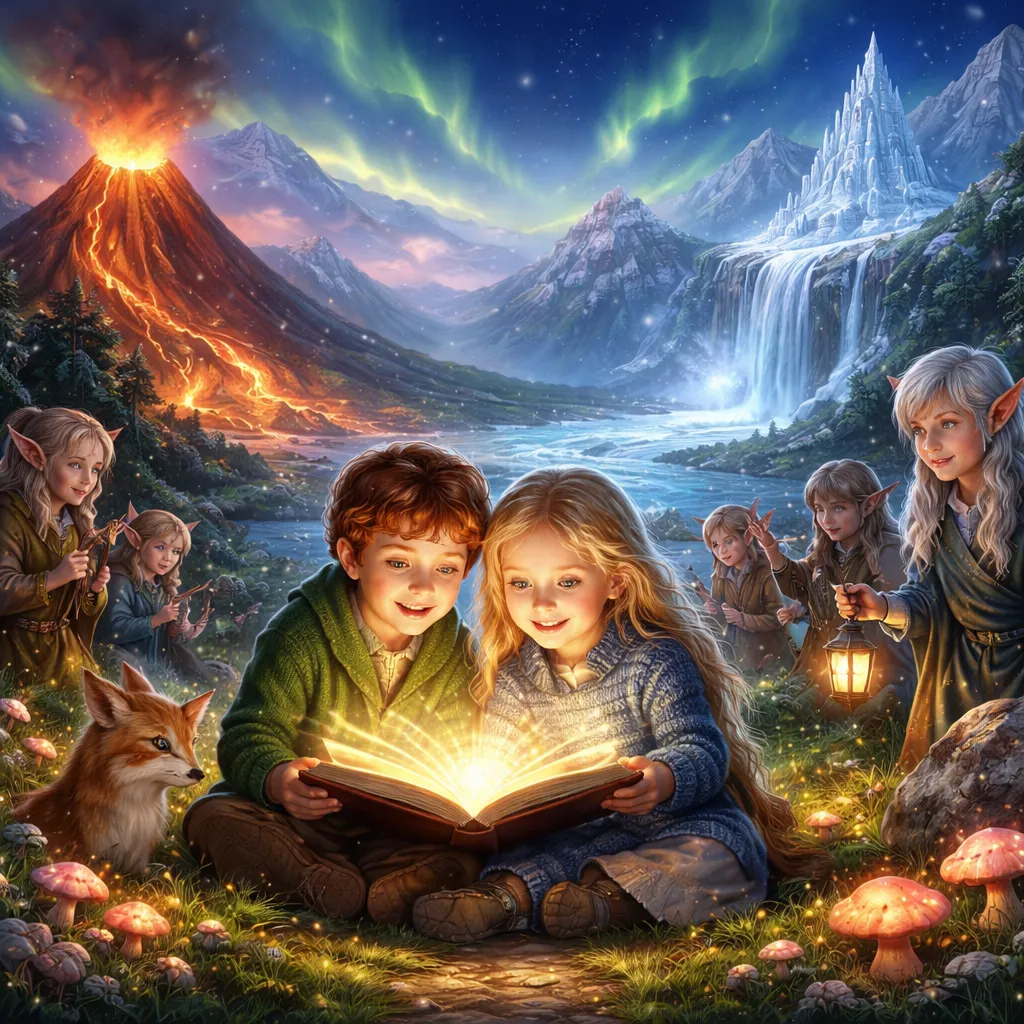
Iceland is a large island. It sits in the North Atlantic Ocean. Its shape looks like a rough, cracked stone. The stone floats between Europe and Greenland. The country is in Europe. The Greenland Sea is to the north. The Atlantic Ocean surrounds it. The land is a world of fire and ice. It has volcanoes, glaciers, and hot springs. It is a land of extreme beauty.
People call it the "Land of Fire and Ice". This is because of its volcanoes and glaciers. Another nickname is the "Land of the Midnight Sun". In summer, the sun never fully sets. Are you ready to explore a land of ancient stories and natural wonders?
Deep Dive into Culture and Stories
Echoes of History
A long time ago, Vikings from Norway sailed here. They were the first settlers. A famous leader was Ing車lfur Arnarson. He arrived around 874 AD. He threw two carved pillars into the sea. He said he would live where they washed ashore. The pillars landed in a bay. He called the place Reykjavik. It means "Smoky Bay". His story is a key part of learning reading about Iceland. It is a story of Viking adventure.
Another important tradition is the Althing. It is the world's oldest parliament. It started in 930 AD. People gathered at Thingvellir. They made laws and settled disputes. This shows Iceland's long history of democracy.
A Gift of Stories
Iceland gave the world a treasure of stories. They are the Icelandic Sagas. These are tales of Vikings, heroes, and families. They were written in the 13th century. They are exciting stories of adventure and conflict. This love for storytelling is a key part of learning reading about Iceland. It connects the past to today.
A Land of Extremes
Iceland's geography is dramatic. The land is young and volcanic. It has many active volcanoes. It also has huge glaciers. The coast has deep fjords. The interior is a cold desert. The landscape changes from black sand beaches to blue ice caves.
The climate is cooler than you think. The winters are mild. The summers are cool. The weather changes very fast. The environment shapes life. People use geothermal heat for energy. They grow grass to feed sheep. They fish in the rich ocean. Houses are often colorful with metal roofs. They are built to withstand wind. The main exports are fish, aluminum, and tourism.
A special animal is the Icelandic horse. It is small and sturdy. It has a unique fifth gait called the "t?lt". The national animal is the gyrfalcon. It is a powerful bird of prey. The national bird is the puffin. It is cute and has a colorful beak. The national flower is the mountain avens. It is white and hardy.
Landmarks of Water and Rock
Visit the Blue Lagoon. It is a geothermal spa. The water is milky blue and warm. It is rich in minerals. The steam rises into the cold air. A fun story says the lagoon is magical. It heals your skin. The lagoon is a relaxing, otherworldly place.
See Gullfoss. It means "Golden Falls". It is a huge, two-tier waterfall. The water from a glacier river crashes down. On sunny days, rainbows appear in the spray. A legend says a farmer's daughter saved the falls. She threatened to jump in. This stopped a foreign company from building a dam. The waterfall is powerful and beautiful.
Another wonder is Tingvellir National Park. It is a UNESCO site. You can walk between two tectonic plates. The North American plate and the Eurasian plate meet here. The ground is a rocky rift valley. The old Viking parliament met here. The park is a place of history and geology.
Festivals of Light and Summer
The most magical festival is J車nsmessa. It is Midsummer Night. It happens on June 24th. The sun barely sets. Icelandic folklore says magical things happen. Cows can talk. Seals become human. Elves move house. People roll naked in the dew. They believe it brings health.
Families have bonfires and parties. They celebrate the endless light. The festival is about nature, magic, and joy. It feels like a fairy tale.
Another important day is Independence Day. It is on June 17th. It marks the founding of the republic in 1944. There is a parade in Reykjavik. People wear national dress. The flag is everywhere. The colors are blue, white, and red. The day is full of parades, music, and cake.
Food and Flavors
A national dish is Hangikj?t. It is smoked lamb. The meat is hung and smoked over birch wood. It is served cold in thin slices. People eat it at Christmas. It tastes smoky, savory, and delicious. It is a traditional holiday food.
You must try Skyr. It is a thick dairy product. It is like yogurt but with more protein. People eat it for breakfast or a snack. They add berries and sugar. A good skyr is creamy, tangy, and healthy. It is a staple of the Icelandic diet.
A Culture of Books and Equality
Icelanders love books. They have a saying, "Ae ganga mee b車k 赤 maganum". It means "to have a book in your stomach". It means to be well-read. They give books as Christmas presents. This love for reading is a wonderful part of learning reading about Iceland.
Iceland is a world leader in gender equality. It was the first country to elect a female president. Her name was Vigd赤s Finnbogad車ttir. She was president for 16 years. The country works hard for equal rights.
Tips for Young Explorers
Cultural Manners Matter
Icelanders are generally friendly but can be reserved. A handshake is a common greeting. Say "Hall車" with a smile. People are not very formal. They often use first names quickly. This is the Icelandic way.
Punctuality is very important. Be on time for meetings and tours. Being late is considered rude. This shows respect for other people's time.
When visiting a home, always remove your shoes. Your host will give you slippers. Bring a small gift. Flowers or chocolate are nice. Do not give liquor unless you know the host drinks.
A Note on Staying Safe
Iceland is a very safe country. But nature is powerful and can be dangerous. Always follow warning signs. Do not climb on glaciers without a guide. Do not walk too close to cliff edges. The weather can change in minutes.
The sun in summer is very strong, even if it's cool. Use sunscreen. The sun can burn you quickly. Wear sunglasses. The light reflects off snow and water.
A Tasty Stop
Look for a "pylsa" stand. This is an Icelandic hot dog. The sausage is made from lamb. It is served in a bun with raw onions, crispy onions, and sauces. Eat it hot. The pylsa is savory, crunchy, and delicious. It is the most popular fast food.
Healthy and Happy Travels
Tap water is safe and delicious to drink. It is some of the cleanest in the world. Carry a refillable bottle. This saves plastic and money.
Dress in layers. The weather changes constantly. Wear a waterproof jacket and good shoes. Even in summer, it can be cold and windy. This keeps you comfortable.
Respect the environment. Do not litter. Stay on marked paths. The moss is very fragile and takes 100 years to grow. Taking care of nature is very important in Iceland.
Your Invitation to Explore
Start your journey with a saga. Read a children's version of an Icelandic saga. Imagine the Vikings and their adventures. Or, look at pictures of the Northern Lights. See the green lights dance. This is a wonderful way of learning reading about Iceland.
Visit a science museum. Look for a model of tectonic plates. See how the Earth's crust moves. Imagine the ground pulling apart in Tingvellir. You can also try making a simple volcano model. Use baking soda and vinegar. Imagine the power of an Icelandic eruption.
The world is a big, open book. Each country is a different chapter. Iceland's chapter is about Vikings, volcanoes, and vibrant stories. Open it with curiosity. Read about its sagas, springs, and stunning landscapes. Your curiosity is your guide.
Icelandic families share a Christmas meal of hangikj?t. Friends relax together in a hot spring. Children read books on a long winter night. We all know these feelings. We love sharing holiday meals. We enjoy relaxing with friends. We get lost in a good book. Learning about Iceland shows us this. Our global family shares the same joys. Keep exploring, one page, one country, at a time. Your adventure has just begun.