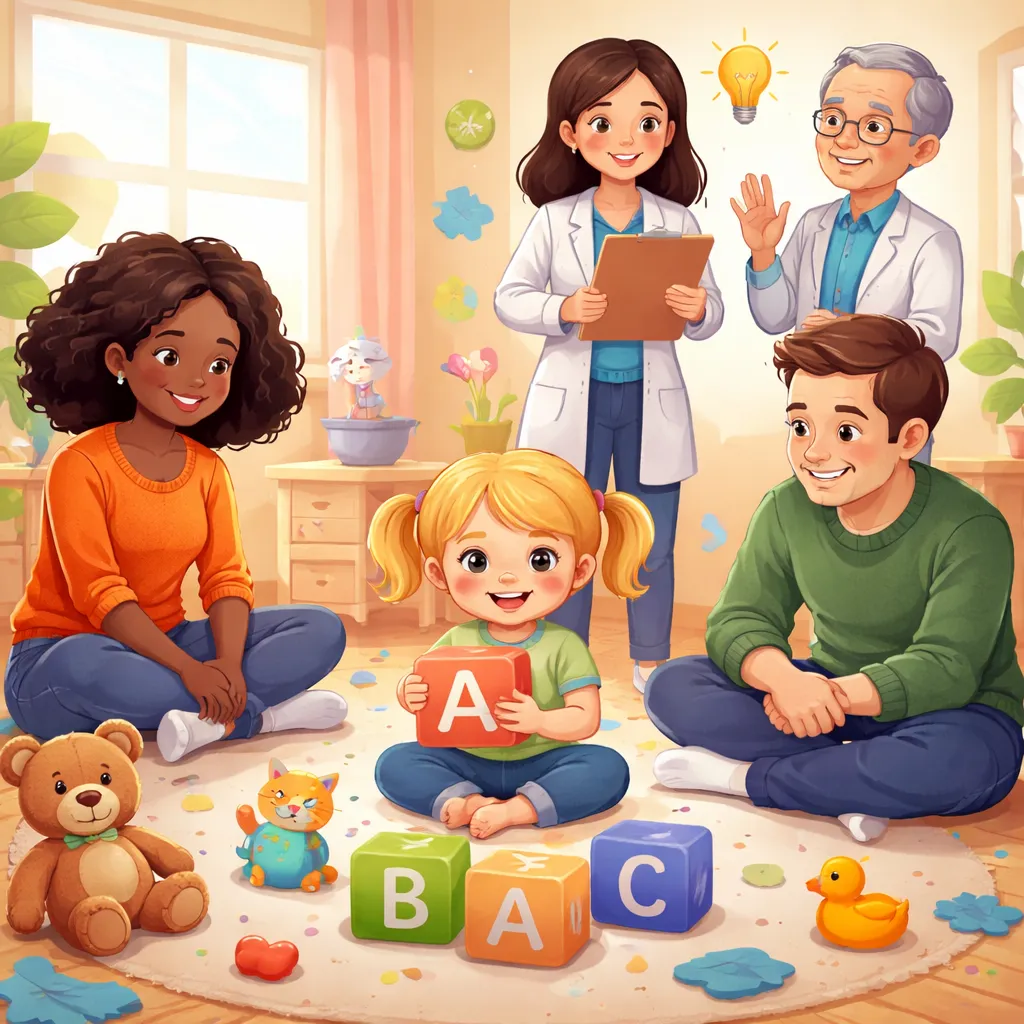

What Is This Situation? Phonics is how children learn that letters make sounds. It is the bridge between knowing letters and reading words. When a child learns that "b" says "buh" and "c" says "kuh," they begin to unlock written language.
This learning happens in many places. It happens when a parent points to a letter in a book. It happens when a child sings the alphabet song. It happens when they notice the first letter of their name. Phonics is not just a school subject. It is part of everyday discovery.
Many parents wonder about timing. Is earlier better? Should they wait until school starts? Every child develops at their own pace. Some show interest in letters at three. Others are ready closer to five.
Understanding readiness helps you know when to begin. Phonics is most effective when a child is curious and engaged. Forced learning can create frustration. Gentle, playful introduction builds a strong foundation.
Key English Phrases for This Situation Use phrases that invite curiosity. "What sound does this letter make?" is a gentle question. It invites your child to think about the sound without pressure. Another phrase is "Let us find the letter that starts with your name."
Use phrases for celebrating sounds. "You said the 'm' sound. That is the first sound in mama." This connects the sound to something meaningful. "Listen, cat starts with the 'c' sound. Can you hear it?" builds awareness.
Use phrases that normalize the learning process. "We are learning letter sounds together" shows partnership. "It takes time to remember all the sounds" reduces pressure. "Let us try again tomorrow" makes learning a journey.
Use phrases that encourage play. "What sound does a snake make? Sssss. That is the letter S." This connects phonics to animal sounds children already know. "Let us make the sound for each letter we see" turns it into a game.
Use phrases that honor readiness. "You will learn this when you are ready" respects your child's pace. "We can practice when you want to" puts the child in charge.
Simple Conversations for Kids Dialogue 1: Looking at a Book Parent: "What is this letter?" Child: "B." Parent: "Yes, B. What sound does B make?" Child: "Buh." Parent: "Good! Buh like ball. See the ball in the picture?"
This conversation is short and positive. The parent asks one question at a time. The child answers. The parent connects the sound to a picture.
Dialogue 2: Playing with Magnetic Letters Child: "I have a D." Parent: "That is D. What sound does D make?" Child: "Duh." Parent: "Yes. Duh like dog. Can you find the letter that makes 'mmm'?" Child finds M. Parent: "Good. You found M."
Here, learning happens during play. The parent does not stop the play for a lesson. They weave the questions into the activity.
Dialogue 3: A Day When the Child Is Tired Parent: "Do you want to do letters today?" Child: "No." Parent: "Okay. We can play with them another time." Child: "I like the red letter." Parent: "That is A. A says 'ah.' But we can just look at it today."
This conversation respects the child's mood. The parent offers a gentle invitation. When the child says no, the parent accepts. The learning happens another day.
Vocabulary You Should Know Letter is a written symbol. You can say "This is the letter B." Children first learn that letters have names.
Sound is what a letter makes. You can say "B says buh." Learning that letters have sounds is the heart of phonics.
Vowel is a letter that opens your mouth to say it. A, E, I, O, U are vowels. You can say "Vowels are special letters." This is a useful word for later learning.
Consonant is all the other letters. You can say "Consonants are letters that stop your breath a little." This word comes after vowels are understood.
Rhyme is when words end with the same sound. You can say "Cat and hat rhyme." Rhyming builds phonemic awareness, which comes before phonics.
Blend is when two sounds slide together. You can say "B and l make bl like blue." Blends are a more advanced phonics skill.
How to Use These Phrases Naturally Use a playful and patient tone. Phonics is not a test. It is a puzzle. Your voice should invite exploration. If you sound like a teacher giving a lesson, your child may resist.
Say these phrases during natural reading moments. When you read a book, stop at a letter. Say "This is the letter M. M says mmm." Then keep reading. Short moments work better than long lessons.
Follow your child's attention. If they point to a letter, name it and say its sound. If they walk away, let them. Forced attention does not create learning. Curious attention does.
Repeat the same sounds many times. Repetition is how young children learn. Say "B says buh" every time you see B. After many times, your child will remember.
Use real words your child knows. Connect "S" to "snake." Connect "M" to "mama." Real connections make sounds meaningful. Abstract sounds are harder to remember.
Common Mistakes to Avoid One mistake is starting too early with formal instruction. A child who is not ready may become frustrated. Wait for signs of interest. Pointing to letters, asking about words, and wanting to write are good signs.
Another mistake is teaching letter names and sounds at the same time. Some children get confused. You can teach names first, then sounds. Or you can teach sounds first, which helps reading more directly.
Some parents move too quickly through the alphabet. They teach A to Z in order. It is better to master a few sounds first. Start with the letters in your child's name. These are meaningful.
Avoid correcting every mistake. If your child says "buh" for B, that is correct. If they say a different sound, gently say "That is a good try. This letter says buh." Keep it kind.
Tips for Parents and Practice Ideas Look for readiness signs. Does your child ask what letters say? Do they try to write letters? Do they notice words that start the same? These signs show interest. Interest is the best time to begin.
Start with the letters in your child's name. These are the most meaningful letters. Say the sound of each letter. Point to the letters in books and on signs. Your child sees their own name everywhere.
Keep sessions very short. Three to five minutes is plenty. A young child's attention span is short. Several short moments throughout the day work better than one long lesson.
Use multi-sensory activities. Let your child trace letters in sand. Use magnetic letters on the fridge. Write letters with finger paint. Using touch, sight, and sound together builds stronger memory.
Be consistent but not rigid. A few minutes several times a week is enough. Daily is great if your child enjoys it. The goal is positive exposure, not a schedule.
Fun Practice Activities Go on a letter sound hunt. Walk around the house or outside. Find things that start with a certain sound. "Can you find something that starts with B?" Your child finds a ball or a book. This connects sounds to real objects.
Make a sound box. Get a box. Fill it with small objects that start with different sounds. Put in a ball, a cup, a doll. Each time you take one out, say the sound. "Buh for ball."
Play "I Spy" with sounds. Say "I spy something that starts with mmmm." Your child guesses. This game builds phonemic awareness in a playful way.
Sing alphabet songs slowly. Sing the song. Then slow down. Say each letter and its sound together. "A says ah. B says buh." This combines music with learning.
Use play dough to form letters. Roll play dough into long snakes. Shape them into letters. As you shape, say the sound. This uses hands and ears together.
The best age to start learning phonics is not a number on a calendar. It is the moment when your child shows curiosity about letters and sounds. Some children show this at three. Others at five. Both are normal. What matters most is that the learning feels like play, not pressure. When you follow your child's lead, offer gentle invitations, and celebrate small steps, phonics becomes a joyful discovery. Your child learns that letters hold sounds, and sounds build words. This understanding opens the door to reading—a door they will walk through when they are ready.